
Study of the Products of Microbial Fermentation
Microbial fermentation is the metabolic activity of microorganisms on organic compounds leading to a variety of end products. The end products are important for their industrial, medical, and nutritional applications. The process of microbial fermentation happens in a very wide range of conditions. These conditions are being utilized in all types of industries-food and beverages, pharmaceuticals, biofuels, agriculture, and more. We will discuss the end products of microbial fermentation, their importance, and the impact they have in our daily lives.
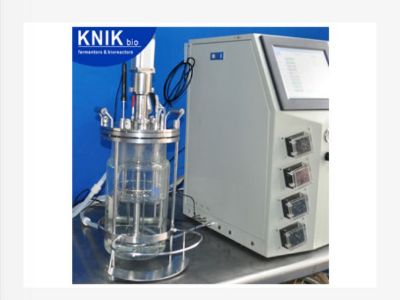
Unveiling the Amazing Benefits of Microbial Fermentation Products
Microbial fermentation yields different end products that have amazing benefits. These products possess therapeutic characteristics and are used to cure various medical conditions. The following are some of the microbial fermentation products that have proven medical benefits: antibiotics, anti-inflammatory compounds, vitamins, and probiotics.
Further, it is a good source of some vitamins like vitamin B12 critical in the nervous system functions. Fermented foods are a rich source of vitamin K2, and hence required for bone health. The helpful bacteria that cause probiotics produced during the process of microbial bioreactors fermentation support healthy gut microbiomes; hence they contribute towards healthy well being and being.
Important components of microbial fermentation and their significance:
Microbial fermentation is the way by which complex end products are formed by the microorganisms. Its four major components include microorganisms, substrates, enzymes, and biochemical pathways.
Microorganisms are living organisms that undergo fermentation. The type of microorganisms used in microbial fermentation depends on the end product. For instance, when it comes to beer and yogurt, it is lactobacillus, whereas for wine production, it is Saccharomyces cerevisiae.
The substrates are organic compounds that are fermented by microbes. The products formed shall differ with the substrate used. An example is the breaking down by yeast of glucose in fermentation to yield alcohol.
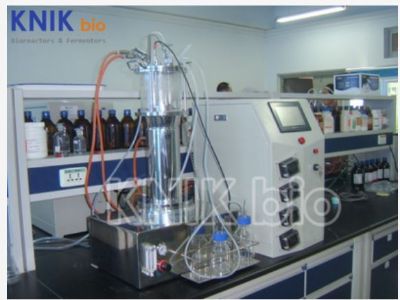
How Microbial Fermentation Impacts Our Daily Life Through Its Products?
In our daily lives, microbial fermentation products are everywhere. What we eat, what we drink, and what we pop into our mouths as medicines are basically products of microbial fermentation.
These comprise fermented foods such as yogurt, sauerkraut, and kimchi. This is the most consumed globally in many nations. They aid in digestion and enhance good health through their beneficial bacteria, as well as rich supplies of vitamins and minerals needed for proper health.
Busting Fermentation Types and Outputs
The major types of fermentation and the product they produce also vary. The major types among these include alcoholic fermentation, lactic acid fermentation, and acetic acid fermentation.
Alcoholic fermentation is most widely encountered and is more frequently used in making preparations that are alcoholic in nature; such examples include beer, wine, and sake. It takes place when a yeast breaks down sugar to alcohol and carbon dioxide.
Conclusion
Microbial fermentation results in several end products that play a vital role in our daily life. These products have various industrial, medical, and nutritional applications. We can learn to appreciate the importance of microbial bioreactor fermentation in our lives if we understand the key elements involved in microbial fermentation.