
Synthetic biology builds on tools developed over the past three decades. Genetic engineering specializes in the use of molecular biology to create and read DNA in the form of automated sequencing. Synthetic biology has added functions such as automatic synthesis of DNA, standard setting, application of abstract concepts, and artificial design combination, which greatly simplifies the entire design process.
1.Today’s scope of application
bioenergy:
Cell engineering to convert carbon from sugars, starches, cellulose (agricultural waste) and carbon dioxide into beneficial products, including fuel for transportation. Carbon-neutral chemical synthesis using renewable raw materials.
Green manufacturing:
The production process involved in the traditional plastic and textile manufacturing industry often requires the use of high temperature and harmful solvents, which will generate pollutants. The above-mentioned steps of cell engineering can lead to a series of procedures, some of which can be carried out at room temperature to achieve the purpose of low-cost pharmaceuticals, such as the use of genetically recombined bacteria to produce anti-malarial. The above-mentioned process will effectively reduce the production cost significantly, thereby promoting the drug to the huge market in developing countries.
As the cell experts once said: Today’s bioengineering Bioengineering biopharmaceutical Biotechnology is one of the world’s biotechnology development trends.
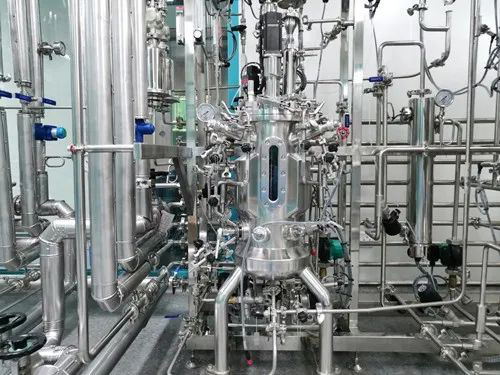
Pharmaceutical Industry:
Bacteria and yeast can be reengineered to achieve the purpose of low-cost pharmaceuticals, such as the use of genetically recombined bacteria to produce anti-malaria. The above-mentioned process will effectively reduce the production cost significantly, thereby promoting the drug to the huge market in developing countries.
The medical:
Human cells can be restructured to better integrate with human tissues and organs. Bacteria and human immune cells can be diverted to develop a variety of therapies for defective cells and tissues, which can help fight cancer and some genetic diseases.
source:
[1]. Scientists Reach Milestone on Way to Artificial Life. 2010-05-20[2010-06-09].
[2]. Craig Venter Institute. FAQ. [2011-04-24].
[3]. W. Wayte Gibbs. Synthetic Life. Scientific American. May 2004 [2014-10-30].
[4]. NOVA: Artificial life. [2007-01-19].