
Metabolism without oxygen is considered a fermentation lactic acid. This process results in the breakdown of a complex compound into a much simpler substance through microorganisms. Fermentation is involved in the beverage and food industry in producing several different products such as wine, beer, and cheese. In industrial biotechnology, bacterial fermentation is commonly practiced for the production of varied end products.
What are the End Products?
The bacterial fermentation process might lead to the production of a large variety of final products. The final product varies according to its particular properties and application. Typically, the final products formed by bacterial fermentation are acids, alcohols, gases, and other related organic compounds.
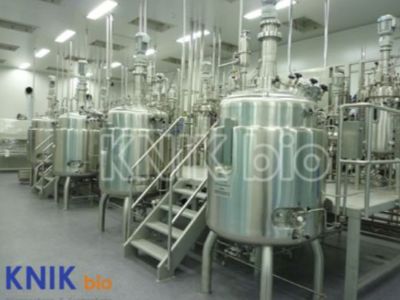
Chemical Composition of End Products in Bacterial Fermentation:
The chemical nature of the end products formed during bacterial fermentation is determined by the species of bacteria used. The type of substrate being fermented. For instance, lactic acid fermentation is one of the most common types of bacterial fermentation. That involves producing lactic acid from sugars, such as glucose or lactose. Another is ethanol fermentation. In this, the product yields ethanol, carbon dioxide, and trace levels of other organic compounds.
Determine the End Products Made
A myriad of bacterial fermentation products finds application in the manufacture of a vast range of final products. For instance, lactic acid production has greatly been utilized in the manufacture of yogurt, cheese, sauerkraut, and pickles within the food and beverages sectors. In the same regard, alcohol production in terms of ethanol is applied within beer, wine, among other spirits.
A View of the Product Produced
The main applications of bacterial fermentation across various industries are innumerable. Some of the products developed through bacterial fermentation. It includes organic acids like lactic acid, acetic acid, and propionic acid. These acids are used as preservatives and flavoring agents in the food industry. Bacterial fermentation produces alcohols such as ethanol. Which is a fuel and solvent in most industrial applications. Others that are released include carbon dioxide and methane.

A Deep Research
Bacterial fermentation is one of the many processes in microbiology whose study has been done so extensively. Scientists have identified several types of bacteria species that produce specific end-products from fermentation. These bacteria have been employed in industrial-scale fermentation for compounds such as enzymes, amino acids, and antibiotics.
In a nutshell, bacterial fermentation is an important process that has wide applications across various industries. The end products of bacterial fermentation. It include acids, alcohols, gases, and other organic compounds. The chemical composition of these end products depends on the type of bacterial species being used and the substrate being fermented.