
CIP Systems are a key part of maintaining sterility with the manufacture of biopharmaceuticals. They help reduce pollutants to equipment and facilities, purpose-designed for bio-pharmaceuticals production in a clean and safe way. Increase cleaning and reduce time Biopharmaceutical companies benefit from increased efficiency (less risk) while experiencing an even higher level of cleanliness for greater productivity with CIP system. If adapted for biopharmaceutical production on a large scale, it will be especially important to engineer these systems according to regulatory standards without sacrificing the safety profile of products. Properly implemented CIP System allow biopharmaceutical manufacturers to enhance their manufacturing, deliver high quality products and provide better value for the consumer.

The Importance of Cleaning and Sterilizing in The Bio Process Industry
CIP Systems are essential for maintaining the cleanliness and sterility of manufacturing equipment and facilities in biopharmaceutical production A controlled, hygienic cleaning process is a requirement in any bioprocess. These are such systems by which tanks, pipes and containers are operated automatically- can be cleaned without dismantling it. CIP Systems eliminate the potential for human error and variation of cleanliness levels seen with manual operations. These defect systems are significant to the biopharmaceutical industry, which does not tolerate a smidgen of contamination in its products. By employing CIP Systems manufacturers regulate the environment necessary for sterile biopharmaceutical production.
Benefits of CIP Systems for Sterility Maintenance
Biopharmaceutical producers benefit from the use of CIP Systems for multiple reasons. One major advantage is that products can remain sterilized from raw materials to final product. Bulk CIP Systems eliminate all risk of cross-contamination as well as biofilm formation to ensure the final product will meet all quality and safety criteria. Moreover, systems of this type can reduce operator time lost through manual cleaning, so that production is continuous and more productive. CIP systems help manufacturers protect marketable, safe and efficacious biopharmaceutical products and to minimize production loss by improving throughput.
The Advent of CIP Systems for Industrial Biopharma Production
CIP Cleaning SystemIntegration are vital for biopharmaceuticals manufacturing in commercialization facilities on a large-scale, to meet the regulations of checkpoints and product quality. It is designed for pharmaceutical manufacturing plants and processing environments for GMP compliance and consistent cleaning performance. The implementation of CIP Systems in the entire process will bring a visible amount of product safety / product quality into companies producing safe and well manufactured biopharmaceuticals. What’s more, with CIP Systems in batch processing on a wholesale level, productivity is enhanced, cleaning costs reduced, and cross contamination reduced. This, in turn, results in a more slim and compliant manufacturing process that ultimately benefits manufacturers and consumers alike.
Increasing Productivity While Maintaining Cleanliness with CIP Systems
On the contrary, CIP Systems are indispensable in optimizing performance & cleanliness in biopharmaceutical manufacturing. CIP System also minimizes the consumption of cleaning chemicals and water will make your operations green and sustainable. By delivering consistent hygiene, such systems ensure that a high standard of cleanliness is being maintained at all times in the plant, reducing the potential risk for contamination or spoilage. Overall, embracing CIP Systems means increased productivity, cleanliness and less waste in producing biopharmaceuticals.
Maximising Production Through Efficient Use of The CIP System
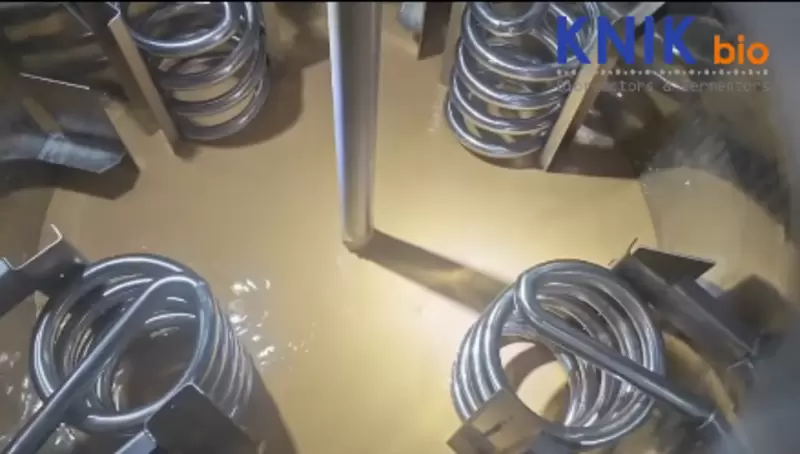
The right use of the Portable CIP Systemis one of the basic requisites to get a high yield by biopharmaceutical industry. They also lead to that equipment and facilities remain perfectly clean and sterile, thus supporting consistently high product quality without fluctuations with the result of higher production volumes combined with lower costs. Furthermore, CIP Systems also work towards minimization or restraining of micro-organism contamination and biofilm formation which may alter product purity and efficiency. Good CIP Systems help you get the most out of your plant and use the processing potential to optimum effect, producing greater efficiency in their manufacturing along with increased quantities of better-quality biopharmaceuticals. Selecting the appropriate CIP systems is how companies are going to minimize waste and yielding while meeting concerns from consumers who want biopharmaceuticals that are safe and efficient.