
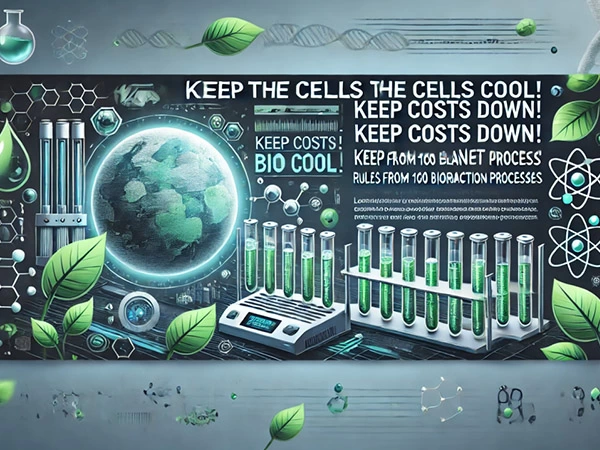
Bioreactors have become ‘smart’: real-time monitoring + automatic adjustment
In the past, doing a biological reaction (e.g., cultivating cells, fermentation) was like ‘opening a blind box’: the engineer adjusted the temperature and oxygen, and then opened the tank a few days later to see the results, and then tried again if it failed.
Now, the reactor is full of sensors and AI brains – like a glucose meter, it can monitor in real time whether the cells are ‘hungry’ (glucose concentration), ‘tired’ (metabolic waste concentration), and then automatically add nutrients to keep the cells in the best condition at all times. ), and then automatically adds nutrients and adjusts the temperature to keep the cells in optimal condition.
To cite a chestnut: in the past, the production of insulin, the cells in the tank will not move ‘strike’, now with the smart reactor, the output directly doubled, but also save 30% of the electricity bill.
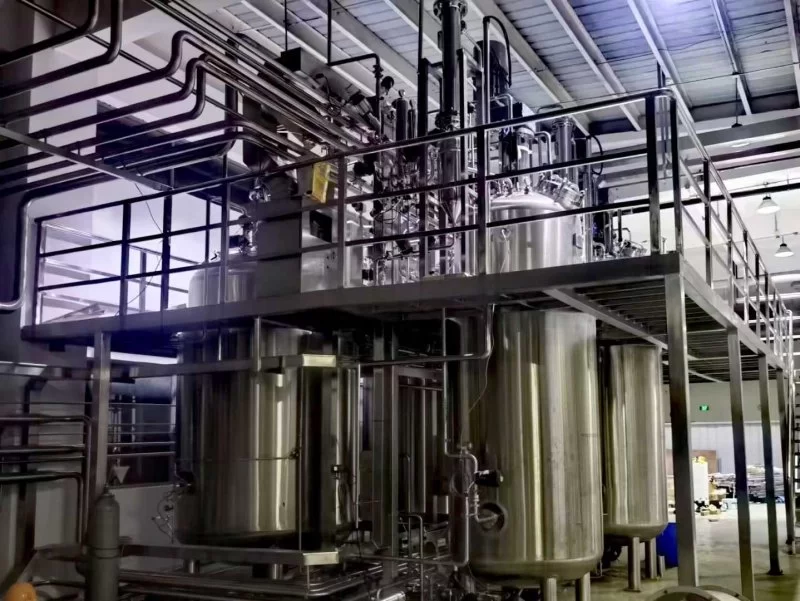
Biopharmaceuticals are becoming ‘assembly-line’.
Traditional pharmaceuticals are like ‘stew’, one pot of stew and then the next pot of stew, inefficient and easy to paste.
Nowadays, ‘assembly line reactors’ are popular: adding new raw materials to the tanks while pumping out the finished product, producing 24 hours a day.
Benefits include a 70 per cent reduction in reactor size (saving plant space), a 40 per cent reduction in production costs, and no need to clean the equipment every batch (saving water and time).
New Crown Vaccine production, for example, can be expanded to one billion doses in three months using this model.
Bioreactor Transboundary Dry Environmental Protection
You think bioreactors are only for pharmaceuticals? Even waste treatment plants are using them now.
Exhaust gas treatment: micro-organisms ‘eat’ factory odours (e.g. benzene from paint factories) with a purification efficiency of 90%.
Wastewater purification: Raise ‘oil-eating bacteria’ in the reactor, finish treating oily wastewater in 3 hours, the cost is only 1/5 of the chemical method.
Disposable reactors: the ‘takeaway box’ of pharma
Traditional stainless steel reactors are like ‘big iron pots’ and need to be washed for 3 days. Nowadays, plastic disposable reactors are popular:
Open the bag and use it immediately, throw it away after use (the material can be recycled).
Suitable for small batch production, e.g. customised anti-cancer drugs, rare disease drugs
How much money is saved? It costs $1 billion to build a traditional pharmaceutical factory, with disposable equipment it only costs $100 million, and you can switch to a different drug at any time.
To summarise.
Bioreactors are becoming smarter (auto-regulation), more efficient (assembly lines), and more cross-boundary (even exhaust gases are managed).
The logic behind it is threefold – keep cells cool, keep costs down, and keep the planet cool.