
Understanding the working principles of a batch bioreactor
A batch bioreactor is a type of bioreactor that is commonly used in the biopharmaceutical industry for the production of drugs and vaccines. It is a closed vessel used for growing living cells, microorganisms, or tissues under controlled environmental conditions. The working principles of a batch bioreactor involve the cultivation of microorganisms or cells while controlling key parameters such as temperature, pH, dissolved oxygen, and nutrient concentration to obtain the desired product.
A step-by-step guide to batch bioreactor operation
There are several key steps involved in the operation of a KNIK batch bioreactor. The first step involves preparing the culture media, which is the liquid medium used to grow the microorganisms or cells. The next step involves sterilizing the reactor vessel and all the equipment that will be used in the process to ensure that there is no contamination from unwanted microorganisms.
Once the reactor vessel and other equipment are sterilized, the culture media is then added to the vessel. The next step involves inoculating the reactor vessel with the microorganisms or cells to be grown. This is done by adding a small amount of the microorganisms or cells to the culture media and allowing them to grow in the vessel.
Once the culture reaches a specific point, the reactor is left to incubate for a specific period of time. During the incubation period, key parameters such as temperature, pH, dissolved oxygen, and nutrient concentration are closely monitored and controlled to ensure the optimum growth of the microorganisms or cells.
After the incubation period, the culture is harvested, and the product is extracted and purified through a series of filtration and separation steps.
Strategies for achieving high yields
To achieve high yields in batch bioreactor, it is necessary to optimize certain parameters such as nutrient concentration, pH, dissolved oxygen, and temperature. For example, increasing the nutrient concentration can increase the rate of growth and the yield of the desired product. Similarly, maintaining the pH at an optimum level can also result in higher yields.
Another strategy for achieving high yields is to ensure that the microorganisms or cells are in their exponential growth phase during the incubation period. This can be achieved by controlling the temperature, pH, dissolved oxygen, and nutrient concentration carefully.
Key components and their functions
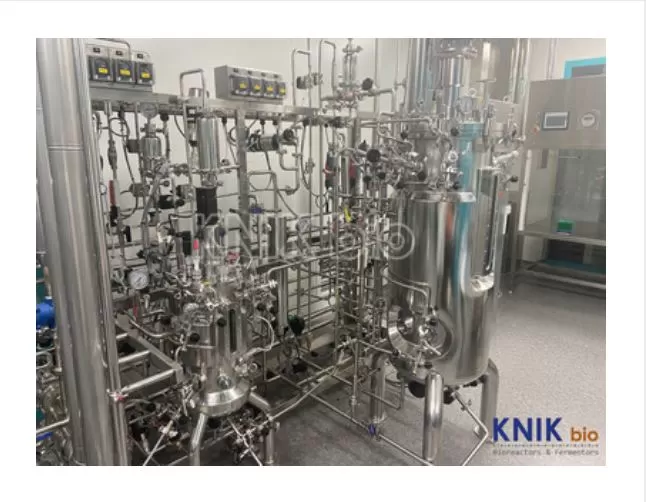
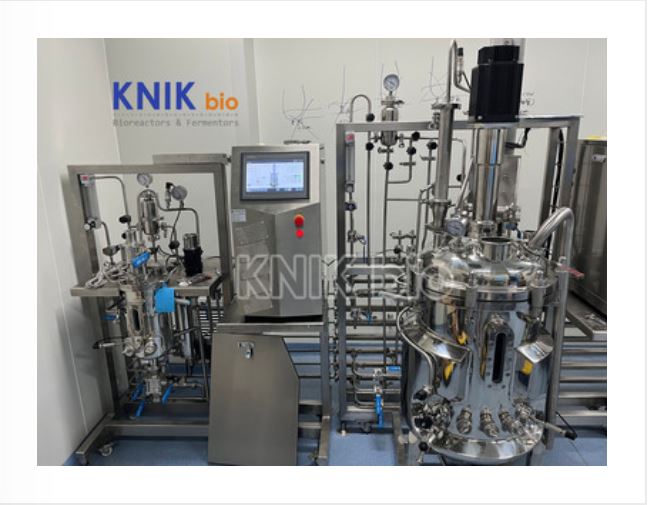
The key components of a batch bioreactor include the reactor vessel, the agitator, the temperature control system, the pH control system, the dissolved oxygen control system, the nutrient feed system, and the sampling and monitoring system.
The reactor vessel is a closed vessel that contains the culture media and the microorganisms or cells that are being cultured. The agitator is used to mix the culture media and the microorganisms or cells to ensure that the nutrients are evenly distributed, and the microorganisms or cells are growing uniformly. The temperature control system is used to maintain the temperature of the culture media at a specific temperature, which is conducive to the growth of the microorganisms or cells. The pH control system is used to monitor and maintain the pH of the culture media at an optimum level. The dissolved oxygen control system is used to monitor and maintain the concentration of dissolved oxygen in the culture media. The nutrient feed system is used to add nutrients to the culture media to support the growth of the microorganisms or cells. Lastly, the sampling and monitoring system are used to monitor key parameters such as temperature, pH, dissolved oxygen, and nutrient concentration to ensure that the process is running smoothly.
Tips and tricks for smooth operation
To ensure the smooth operation of a batch bioreactor, it is essential to pay close attention to all key parameters such as temperature, pH, dissolved oxygen, and nutrient concentration. Maintaining a sterile environment is also crucial to avoid contamination from unwanted microorganisms. Regular maintenance and cleaning of the reactor vessel and equipment are also critical to prevent the buildup of unwanted residues and contaminants. Lastly, keeping accurate records of all process parameters and activities is vital for troubleshooting purposes and process improvement.
In conclusion, a batch photo bioreactor is a vital tool used in the biopharmaceutical industry for the production of drugs and vaccines. Understanding the working principles of a batch bioreactor, following a step-by-step guide to batch bioreactor operation, implementing strategies for achieving high yields, understanding the key components and their functions, and adopting tips and tricks for smooth operation is critical to obtaining a high-quality product in a cost-effective and efficient manner.