
In the bioreactor kingdom, a revolution is brewing. It’s like the jump from flip phones to smartphones. At KNIK, we see these changes every day. You can think of a bioreactor as a giant pot for growing microorganisms. They need to eat, and we call this food “substrate. “Sort of like a recipe and its ingredients. The old bioreactors are to the reactors of the future what your grandmother’s cookbook is to a new app that teaches you how to cook better. Here is how those two classes of bioreactors differ much of the divergence plays out in the way that they “eat,” or otherwise consume their “food” (substrates).
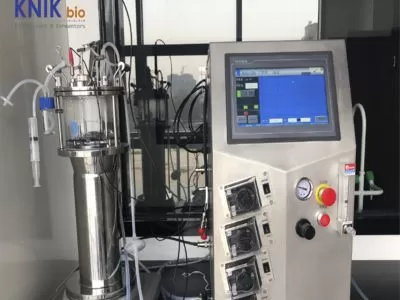
Substrate utilization in new versus old bioreactors
By comparison, bioreactors are old have been doing things a certain way for a long time. They apply the substrates linearly, just as once follows the recipe without any deviation. But they can be slow, and not all the bugs they contain will use the substrate in a thrifty way. Waste could build up if it takes them too long to eat through the substrates. Modern bioreactors in KNIK, by contrast, are like if chefs could change the recipe while cooking. They can control temperature and pH and other conditions to make sure that every bit of substrate is used as much as it can be. That means less waste and more product.
Novel features of bioreactor improving utilization of substrates
Bioreactors themselves have a couple of new tricks. They are monitoring closely, ever so closely, using sensors and smart technology. What if the oven just knew when your cake was done and could even adjust the heat on its own? Basically, that’s what these are doing to a substrate. They can feel if they need more or less substrate and respond appropriately. Here is an optimization which would reduce resource and time. We ensure that the bioreactor uses every single drop of what is fed in. It’s like a finely tuned machine that somehow has just figured out the way to put things where there’s no fat.
Comparison of traditional based bioreactors and advanced technology in substrate degradation
Place a conventional bioreactor next to a contemporary one, and those differences become obvious. The old ones are like old cars: They guzzle fuel and require constant maintenance. They can be bulky and not that helpful. In other words, these are the electric cars of air lift bioreactors in the modern day. Sleek, efficient, and smart. They have better ways to assure your substrate is staled in the proper way. We at KNIK, understand all too well how that switch to state-of-the-art tech results in less use of the budget and higher productivity. It is about doing more with less, about using resources more intelligently.
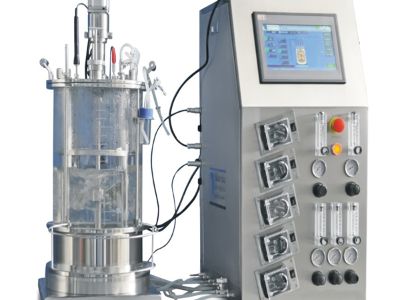
Bioreactor development and its impact on substrate utilization.
Bioreactors have advanced tremendously. It was as if computers went directly from room-size relay-controlled mainframes to a few years. “It used to very much be just do the job. It’s now just about doing it better, smarter. The latter revolution would have resulted in changes in substrate utilization. This involves optimal control of aeration and nutrient feeding, to minimize resource wastage. Currently then, biological production processes have the ability to be highly dynamically responsive to changing conditions, also because today’s bioreactors are able to do so. We see this change here at KNIK as a good thing, because its one that allows us to create better quality goods while at the same time being eco-conscious. It is moving forward and every step is forward movement.
A review on developments and technical aspects of modern bioreactors and biofilters for ligning based product transformation and degradation.
The development in bioreactor technology is truely amazing. New-age autoclavable bioreactors can do things their predecessors could only dream of. They’re computerized systems that can make those decisions themselves. We have bioreactors that can respond based on live data. It’s like you have a smart assistant who knows what to do before you ask. All of these would help us to use substrates more efficiently, save resources and make the process more sustainable. It’s catching up but really it’s about being ahead and always wanting the newest and the best. It’s this evolution that sets the modern bioreactor apart and it’s something that we at KNIK are optimistically looking forward to.