
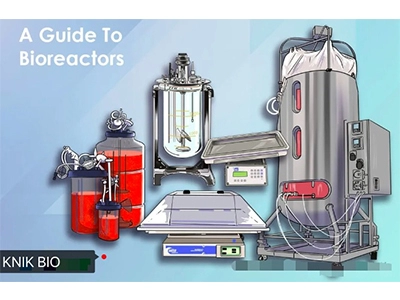
Experimental grade bioreactors, as opposed to industrial grade, are simply smaller, and in terms of process requirements, there is not really much difference. However, depending on the characteristics of microorganisms, cells, etc., the design and configuration will be very different. For example, microorganisms are more tolerant to shear, while cells are not, which makes the design of pumps, stirring, and gas distribution, etc., relatively different. In this post, we begin to organize and categorize experimental grade bioreactors.
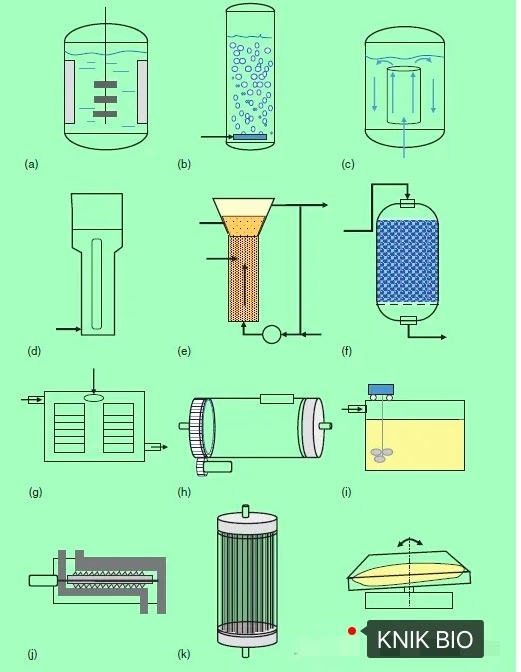
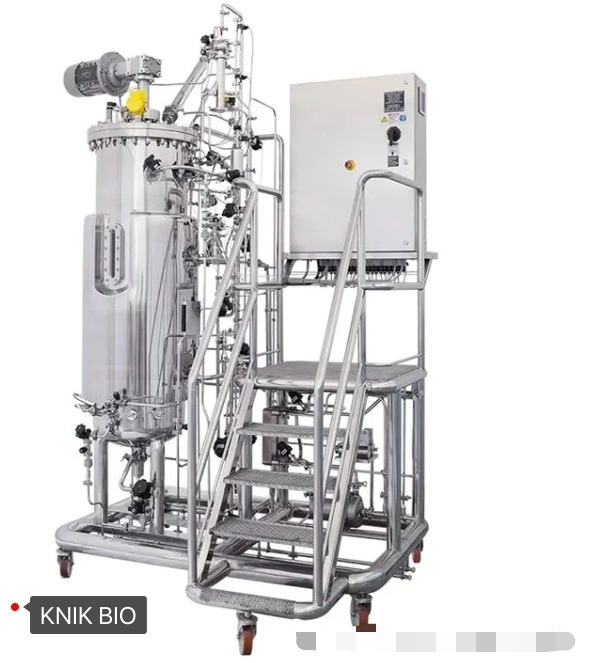
There are several main styles of common bioreactors (fermenters): gas lift, bubble tower, stirred, fluidized bed, packed bed, and so on. The various forms of bioreactors are mainly to comply with the needs of culture, but also to adapt to the needs of energy and economy. Whether in the laboratory, industrial production, the most widely used reactor, when the stirred fermenter. Stirred fermenter, large-scale we have told a lot of experimental grade, the reason, they are similar, so we here also briefly brought.
I. Disposable bioreactors
ASingle-Use bioreactor(also called Disposable bioreactor) is a type of bioreactor that uses disposable bags instead of culture vessels. Typically, this refers to bioreactors where the lining in contact with the cell culture is plastic, and there are types of bioreactors of this type that can be made into lined tanks with agitation, as well as wave-mixed reactors, and orbital oscillating reactors. This type of reactor has the advantages of low cost and favorable sanitary certification, but it also suffers from volume limitations and unfavorable mass transfer.
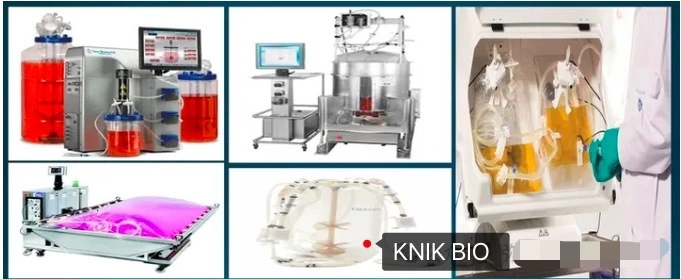
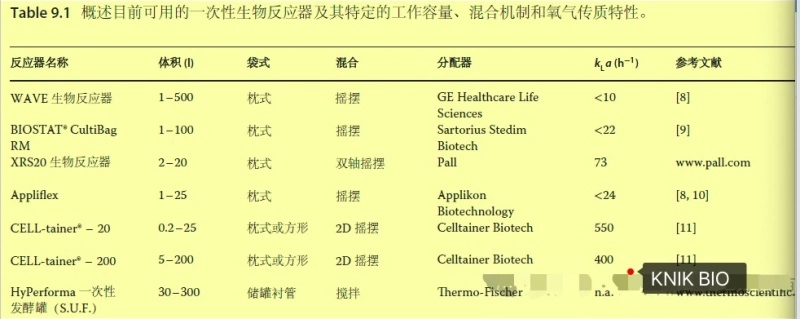
Disposable bioreactors are increasingly used in mammalian cells, vaccine production and other fields, there is a trend to rapidly replace the traditional bioreactors, in addition to its low-cost advantage, the advantage of validation, there are many other factors, such as the rapid switch from one process to another, and the application of certain technologies and research and development, also makes its disadvantages are not so obvious! It is important to choose the right disposable bioreactor for different needs. The following chart shows some of the characteristics of some companies’ disposable bioreactors for reference:
II. Parallel bioreactors
Parallel bioreactorscan be any number of groups of fermenters connected in parallel, ranging from two to dozens, hence the name Multi-parallel bioreactor.Because of the multiple groups connected in parallel, parallel bioreactors provide more process information in a shorter period of time for culture comparisons. Multiple experiments can evaluate different cell lines and the effects of pH, temperature, feed, medium, aeration rate and inoculum density.
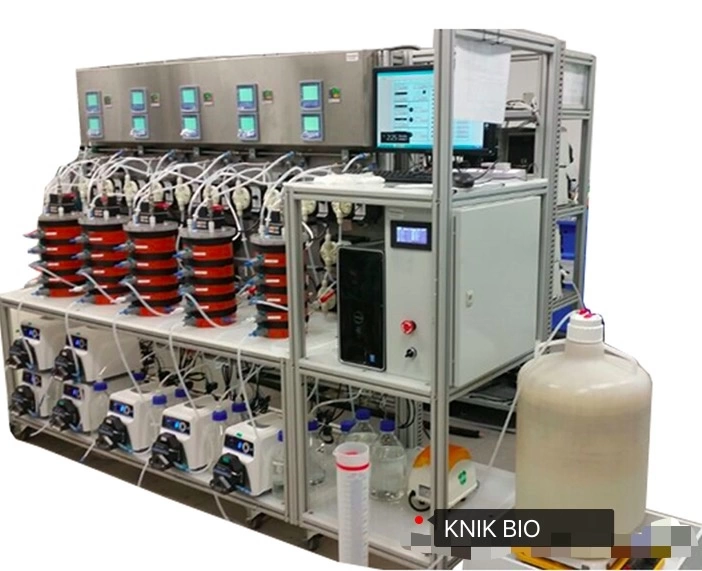
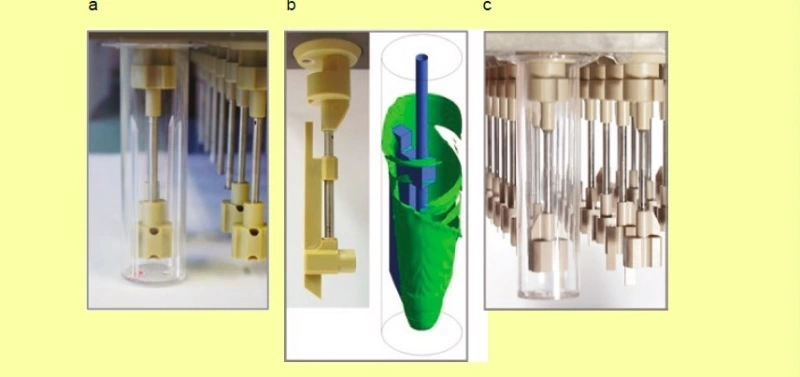
Theparallel multiplex bioreactoris not only a fermenter in stirred form, it can also be a shaker system with respiration monitoring or an oscillating microtitre plate system with online monitoring. Even the fermenter in stirred form can be made to the milliliter level, so that not only the process needs can be met, but also the batch comparison experiments can be many and the efficiency can be very fast. Not only that, the stirring form can be configured differently according to the culture morphology or baffle plates can be set up.
III. Glass bioreactors
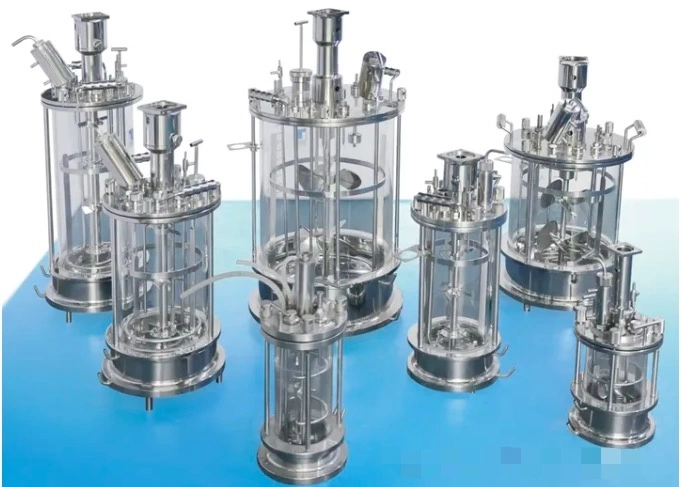
Glass bioreactors are commonly used as bench-top bioreactors because they are less expensive, easier to operate, and because of their transparent nature, the process can be seen from the outside. Glass bioreactors range in size from a few liters to several hundred liters, and many are also designed to be autoclavable. In the grand scheme of things, they are no different from the common stainless steel stirred bioreactors, with the main difference being in the material of the shell.
IV. Cellular bioreactors
A cell bioreactor is a device or system for the cultivation of plant, animal and bacterial products. In practice, “cell culture” now refers more to the cultivation of cells from multicellular eukaryotic organisms, in particular animal cells, plant cells, tissue engineering, etc. Although they can all be called cell bioreactors, the equipment configurations for culture are very different.
1. Mammalian cell culture
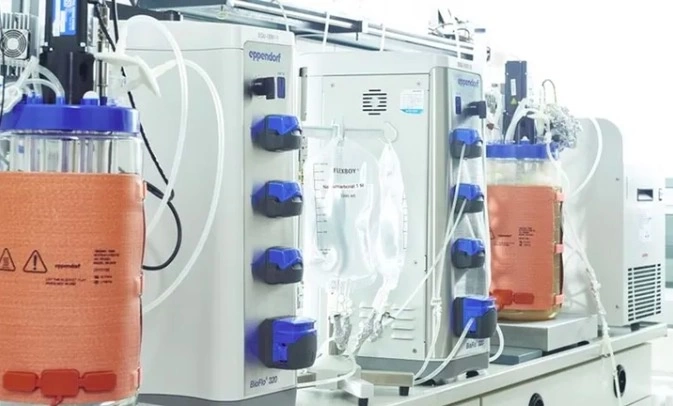
Cells can be isolated from tissues for in vitro culture in a variety of ways. Typical conditions for mammalian cell culture are: 37°C, 95% relative humidity and 5% CO2 concentration. The main components of the culture medium used and its functional role can be found in the following chart:
| ingredient | functionality |
| Carbon sources (glucose, glutamine) | source of energy |
| amino acids | Components of protein |
| vitamins | Promotes cell survival and growth |
| Equilibrium salt solution | Isotonic ion mixtures for maintaining optimal intracellular osmotic pressure and providing the necessary metal ions for the most enzymatic reactions, cofactors for cell adhesion, etc. |
| Phenol red dye | PH indicator, phenol red changes color from orange and red at pH 7-7.4 to yellow at acidic (lower) pH values and purple at basic (higher) pH values. |
| Hydrogen Hydrochloride/HEPES Buffer | It is used to maintain the equilibrium pH value of the culture medium |
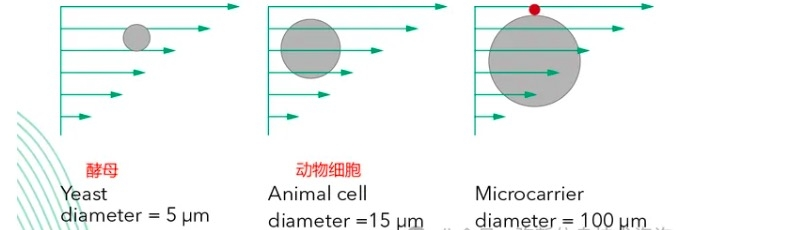
Typical oxygen demand in mammalian cell culture is 10 to 50 times lower than that in microbial fermentation, but cells are very sensitive to shear stresses, and not only the shear force of agitation, but even the rupture of the foam can inhibit or cause cell death. These characteristics, etc., impose many specific constraints on the design and operation of animal cell bioreactors, so the selection and optimal design of a bioreactor should be done in a comprehensive way that considers not only agitation and air distribution, but also from the source, such as the medium, in order to create the optimal conditions for the cell culture as much as possible. The diagram below explains why the larger the cell, the more vulnerable it is to shear forces:
2. Non-mammalian cell culture
Non-mammalian cell cultures include plant cell cultures, insect cell cultures, bacterial and yeast cultures, and virus cultures. Bacterial and yeast cultures have been mentioned in many of our chapters and will not be repeated here.
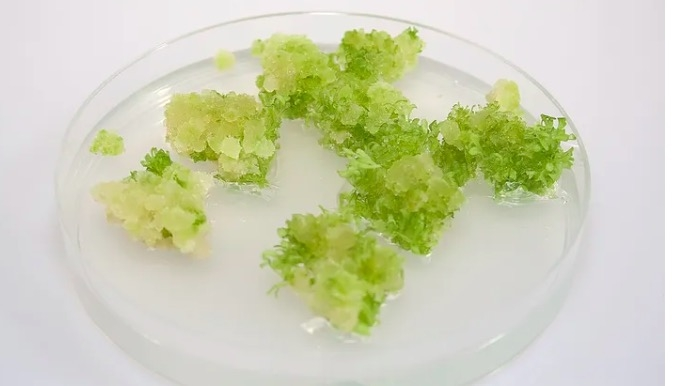
Virus culture requires the cultivation of cells from mammals, plants, bacteria, etc. as hosts for viral growth and replication. Insect bacterial culture is an emerging technology in biopharmaceuticals, and more than 100 insect cell lines are currently available for recombinant protein production, such as cells from silkworms, Drosophila, and others. Plant cell cultures are usually grown as cell suspension cultures in liquid media or as healing tissue cultures in solid media.
V. Some other bioreactors
1. Bioreactor on a chip
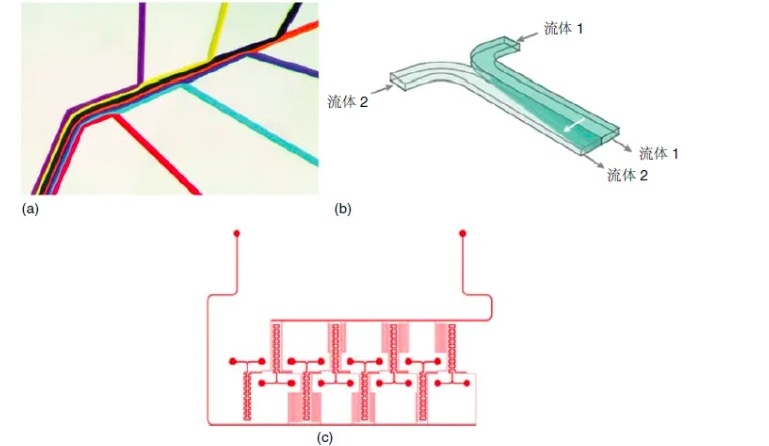
Bioreactors on a chip (Bioreactors on a chip) belong to the micrometer scale of bioreaction systems. Micromachined bioreactors are of great interest because they can mimic some of their properties in vitro and require less space, reagents and energy. Being so tiny, such bioreactors involve soft lithography, integrated sensor technology (PH, temperature), etc. Although there are specialized books on them, we will just briefly bring them up here.
2. Artificial liver bioreactor
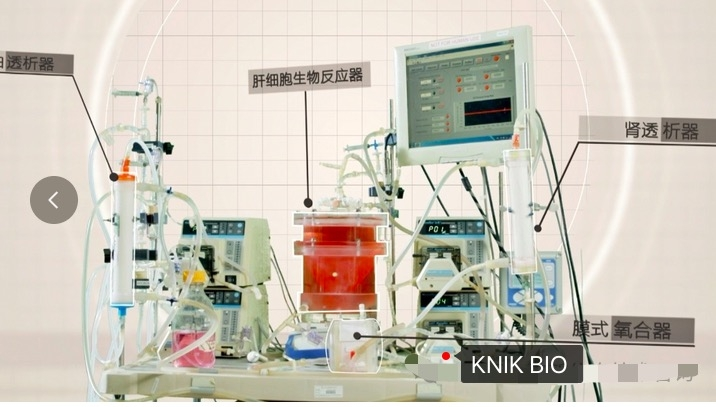
Artificial Liver bioreactor (Artificial Liver bioreactor), also known as Bioartificial Liver (Bioartificial Liver), Bioartificial Liver Support System is an extracorporeal device through which blood plasma circulates in the bioreactor through the active hepatocytes to help the diseased liver, temporarily replacing the liver’s function to buy time for the patient’s liver to buy time for repair and regeneration.
Bioartificial liver support systems have to take into account the complex metabolic properties of hepatocytes, in addition to the biocompatibility of the materials and the prevention of patient infections to ensure the clinical safety of the treatment, among others. To address these issues, close collaboration between cell biologists, bioengineers, physicians and medical scientists is required to successfully realize the clinical translation of in vitro findings. Below is an illustration of 2 patents on bioartificial liver technology transferred from West China Hospital to the Mayo Clinic in the United States:
3. Bioreactors for tissue engineering
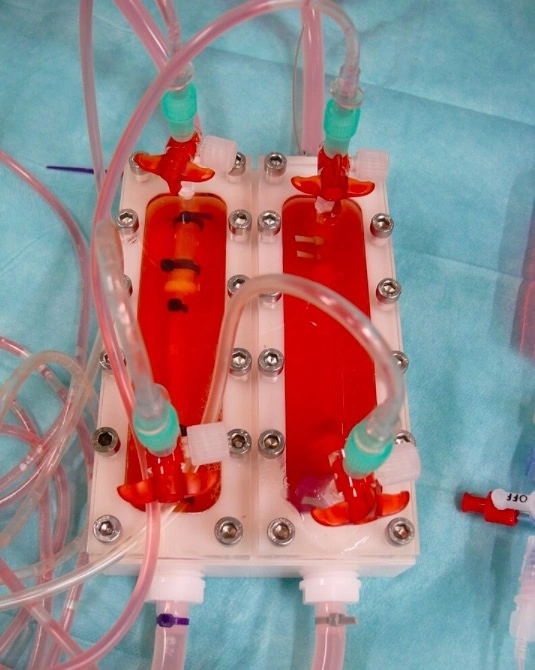
While cell culture aims to proliferate cells or produce drugs in the form of cellular proteins, the goal of tissue engineering (Tissue Engineering) is to produce functional tissues. After isolation of primary cells from tissue biopsies, they are propagated using standard cell culture methods, followed by inoculation of the cells onto molded support structures. The framework, too, affects the properties and function of the tissue. The cells and support structure constructs then go through a tissue maturation phase, during which the tissue performs its function. After maturation, the tissue constructs can be used as implants or test systems. Muscle tissue, regenerated human ears, blood vessels, and heart valves all fall into the field of tissue engineering, and the picture below shows a bioreactor used to grow vascular grafts:
4. Bioreactors for stem cell therapy
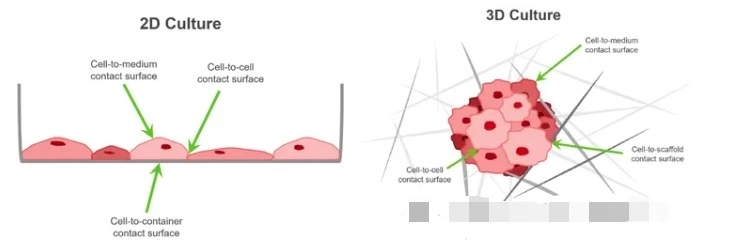
In addition to these bioreactors mentioned above, there are similar bioreactors applied to stem cell (stem cell) therapy. Stem cell therapies use stem cells to treat or prevent disease, and as of 2024, the only FDA-approved stem cell therapy is hematopoietic stem cell transplantation. However, scientists are researching the development of various sources of stem cells, as well as the application of stem cell therapies to a wide range of diseases such as neurodegenerative disorders, diabetes, and heart disease, to name a few. For research or therapeutic applications, large quantities of high-quality stem cells are required. Therefore, the bioreactor culture systems that are developed, become important. The two main methods currently used are: two-dimensional and three-dimensional cell culture.
We should be able to summarize roughly a few ironclad rules by combing through here and to our detailed exposition on microbial fermenters some time ago:
A. All bioreactors are not standard and should be combined with the best equipment and engineering design according to the process and characteristics of microorganisms and cells in order to obtain the best production and R&D results;
B. The core design elements of a bioreactor should be considered to include: homogeneous mixing, good gas dispersion, timely heat transfer, and effective sterilization;
C. Both synthetic biology and biopharmaceuticals and medicine involve many disciplines, and it is difficult for a single person to dominate, so close cooperation between cell biologists, medical scientists and bioengineers, etc., is needed.
We are sharing a book chapter on mammalian cell culture. Here is a chapter from the whole book, but it has suggestions and considerations from process development to equipment considerations, and so on. We have translated it into Chinese, and the content in it should be a good inspiration for many technicians.