
Determining just why stainless steel and glass bioreactor cost as much as they do is like putting together a puzzle. So many things can influence how much they cost. As a leading company, KNIK have witnessed the development of this phenomenon. Some are relatively small, like the material in question, and some more vast, like the scale of innovation. It is a lot like baking a cake: what you put in and how hot the oven was determine the end result, what the fired baker comes out looking like. Bioreactors have applications across industries, from drug-making to food-growing, and knowing why they are priced as they are can help businesses make smart decisions.
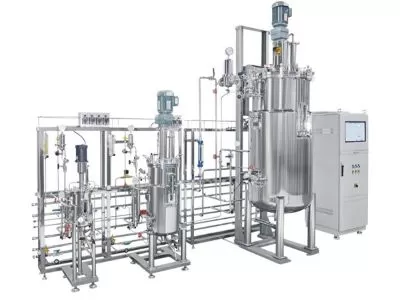
How does the Type of Stainless Steel and Quality of Glass Influence the Price of a Bioreactor?
The quality, or even type of stainless steel or glass used, is equally important for the material used to construct a bioreactor. Some stainless steels are stronger and more resistant to rust. Quality is often a matter of cost. The company imports all the best materials to ensure that these bioreactors last longer and do not work well. Glass can also be something else entirely. Obviously, one type of glass is heat and pressure resistant more, so it costs more and has a longer life. It’s like trying to choose between a paper cup and a ceramic mug, which are both equally capable of holding a liquid, but one is meant for a hot beverage. Both cost and how well the bioreactor will work depend on the material.
The Crossroads of Bioreactor Volume and Cost
More is not always better, but it can be more expensive. This factor can have a significant impact on price. Bigger bioreactors hold more and do more work, but they also take more material to build. At KNIK we realize that some times a smaller reactor is the right reactor and sometimes bigger is better. It’s a bit like selecting a compact car or a big truck, and each option comes with trade-offs. The size of the bioreactor can also dictate where it can be sited and how it fits into a production line. Bigger bioreactors need larger areas and stronger supports.
The Innovation-Driven Reason Cited for the Cost of the Stainless Steel-to-Glass Bioreactors
In stainless steel and glass bioreactors, innovation seems a little like magic. But in bioreactors, as in all technology, new ideas and technologies can also just make them do what they do better and last longer. But innovation costs money. KNIK finances research to develop new methods that can improve bioreactor function. That could include adding new features or using new materials. For example, a new way to heat the bioreactor might make it more efficient, but also more expensive. It’s like, it’s the phone with a great camera and lots of storage, so better but pricier. It’s innovation that marches the industry forward, even if it means the prices are too high.
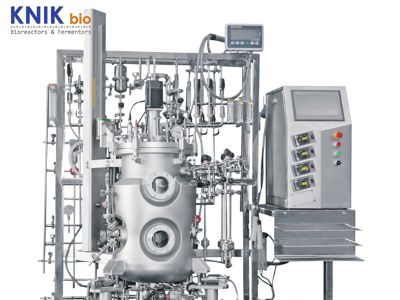
Factors Influencing the Total Cost of A Bioreactor System
A bioreactor system is a complex of gadgets, and their sum can figure in the price. KNIK makes certain everything is 100% top quality from the pumps to the filters. Every single piece has to interlock just right. It’s a lot like doing a puzzle, and every piece counts. Design and assembly and test, even shipping, it all costs money.” From time to time other facilities i.e. specialist controls etc or custom design work can increase the cost of a bioreactor. It’s the equivalent, he said, of adding leather seats and a sunroof to your car: nice to have but not necessarily required. These are considerations to be considered through comparison of the cost of bioreactor system.
Understanding Industry Trends Impacting the Price of SS and Glass Bioreactors
The state of the industry can influence just how costly large scale bioreactors are. Pricing may rise as more companies come online in need of bioreactors. KNIK keeps an eye on these tendencies in order to stay ahead of the curve. Regulations can also affect costs. New regulations may require new materials or designs, which could raise costs. It’d be akin to arguing that new safety car regulations might result in more airbags and higher prices. Price may also be influenced by technological trends, like automation. As technology improves, bioreactors are likely to become more costly even if they also become more efficient. It is important to know these trends so that KNIK can produce improved bioreactors for today and tomorrow.