
Reactor cell culture technology is a general platform technology for the production or development of biological products by suspending animal cells in reactors. It can be widely used in the production of monoclonal antibodies, human or veterinary vaccines and other biological products.
Bioreactors are affected by different culture parameters during operation, and the culture results will have significant differences.
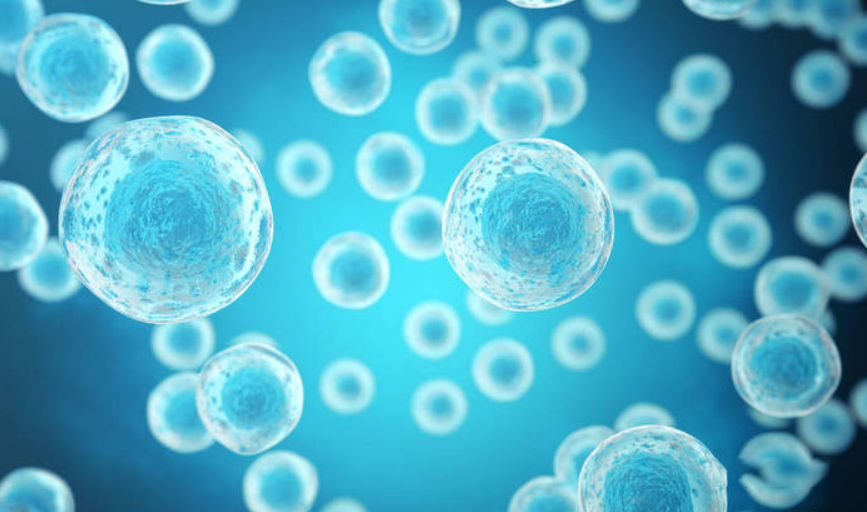
1. Effect of rotational speed on bioreactor cultivation
At present, there are more and more products in the biological field using bioreactors for large-scale production. Different cells require different speeds for culturing in bioreactors. Stirring speed is a commonly used operating parameter. It can not only affect the mixing and The transfer rate of matter energy will also bring fluid shear and microcarrier collision.
Lu Minghua et al. used BC-7L bioreactor to culture suspended BHK-21 cells and concluded that: under the condition of 40r/min, more cells were observed at the bottom of the reactor, and the rotation speed was increased to 70r/min. min, there were no deposited cells at the bottom of the reactor, but it was observed by sampling that there were more aggregated cells, so the speed was continued to be increased to 100r/min, and the cell aggregation was resolved, and the cells grew well. 100r/min is the best stirring speed.
The rotation speed is due to different cell types and culture methods. The operating speed of the reactor is controlled according to its needs. Different rotation speeds produce different results for cell culture.
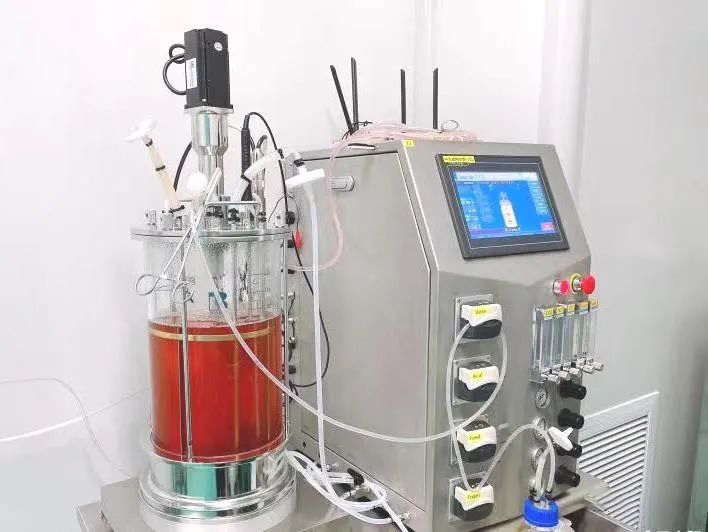
2. Effect of temperature on bioreactor cultivation
The cell culture temperature is usually 35-37°C, the optimum temperature is 37°C, and the temperature is controlled within ±0.25°C. During the culture of mammalian cells, if the culture temperature is lowered, the growth and metabolism of the cells will slow down, but the cell viability can be better maintained .
Yi Xiaoping and others studied the effect of temperature on the growth of recombinant BHK cells, and the results showed that: compared with 37°C, increasing or decreasing the temperature will reduce the growth rate and density of the cells, and lowering the temperature will make the cell growth retardation period extended. However, the tolerance of cultured cells to low temperature is stronger than that to high temperature. During the parameter adjustment process of the reactor, it is necessary to prevent the temperature from rising too high. low efficiency. In particular, there is always a temperature gradient from the outer wall of the tank to the inside of the culture system, so the monitoring and control of the temperature are strictly required.
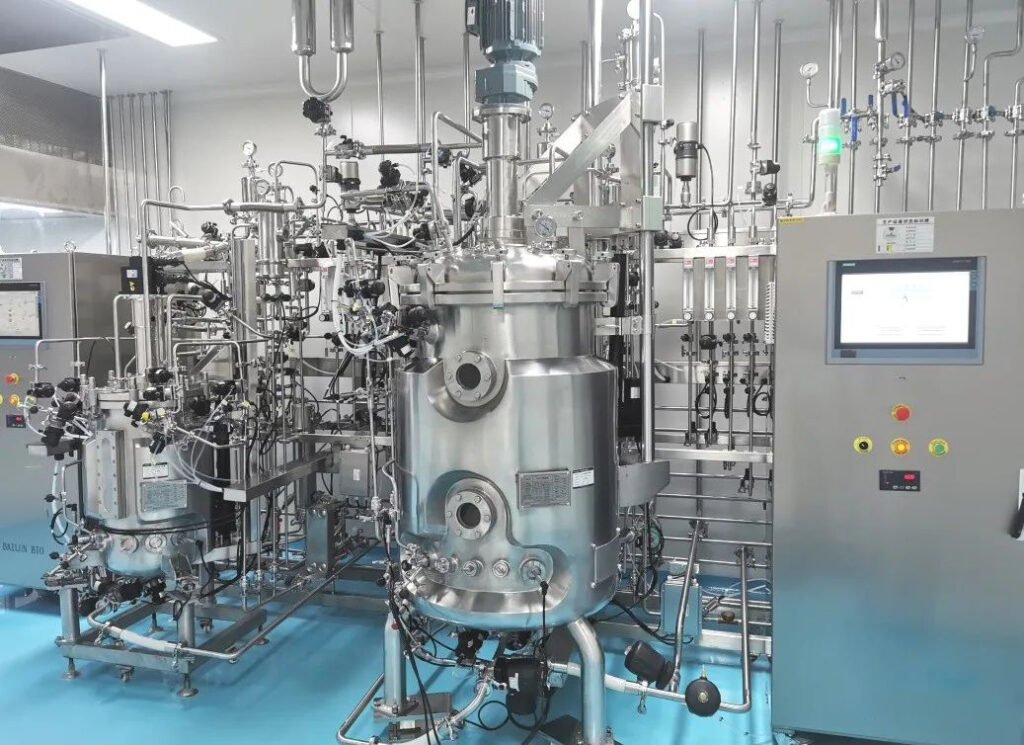
3. Effect of pH value on bioreactor cultivation
The control of pH value is very important for animal cell culture, pH can affect the adhesion, growth, survival and other functions of animal cells. The pH range of animal cells is generally between 6.8 and 7.4, and pH values lower than 6.8 or higher than 7.4 will have adverse effects on cells.
Yuan Jianqin et al. set 6 different pH values (6.4, 6.8, 7.2, 7.4, 7.6, 7.8) to observe the growth of chicken embryo fibroblasts, and the results showed that the growth of chicken embryo fibroblasts in the range of 7.4 to 7.6 was relatively nice and stable.
Lu Minghua et al. used BC-7L bioreactor to culture suspended BHK-21 cells, and verified that the change of pH within a certain small range would not have a big impact on cell growth, but if the change was large, it would make the cells Slow growth and poor condition. The experimental results showed that the cell growth was optimal when the pH was 7.4.
4. Effect of DO on bioreactor cultivation
The dissolved oxygen in the bioreactor is realized by passing the mixed gas of oxygen and air into the medium through the bubble sparger. The structure of the bubble sparger largely determines the state of the dissolved oxygen in the bioreactor.
The dissolved oxygen control subsystem is divided into two major systems: surface ventilation and deep ventilation. The deep ventilation system uses a microbubble generator to provide dissolved oxygen, the bubbles are small and uniform, and the dissolved oxygen transfer effect is good, and the optimized design with the stirring blade greatly increases the effect of mass transfer and heat transfer. Surface ventilation can quickly inject fresh air into the reactor and the surface, increasing the oxygen transfer coefficient of the surface liquid.
How to maintain a certain dissolved oxygen (DO) concentration without damaging cells is a key factor in large-scale culture of animal cells. Cells cannot survive under hypoxic conditions, and too low dissolved oxygen will affect cell metabolism, thereby affecting cell growth; too high dissolved oxygen will not only have a toxic effect on cells, inhibit cell growth, but also increase production costs.
Cells in different growth stages have different oxygen requirements, and cells in the logarithmic growth stage have a particularly strong oxygen consumption capacity. Generally, the dissolved oxygen concentration in the large-scale cultivation process is controlled at an air saturation of 20% to 60%. Adjusting the ratio of air, oxygen and nitrogen in the gas supply, or increasing the stirring speed can maintain a certain concentration of dissolved oxygen.