
The Top 5 Functions of a Fermentor – Explained in Detail!
Fermentation is a crucial process in various industries, including biotechnology, food science, and brewing. This process involves the breakdown of organic compounds by microorganisms in the absence of oxygen. And while different fermentation processes may use different machinery and techniques, one vital piece of equipment that plays a prominent role in almost all fermentation processes is the KNIK fermentor.
So, what is a fermentor, and what are its primary functions? We’ll explore the essential features of a fermentor, its crucial roles, and why fermentation tanks are so important in biotechnology, brewing, and beyond!
The Essential Features of a Fermentor
A fermentor, also known as a fermentation reactor, bioreactor, or fermentation tank, is a specialized vessel used to facilitate the process of fermentation. Unlike regular containers, fermentors are designed with essential features that enable them to control factors such as temperature, pH, and oxygenation, which are crucial for optimal fermentation.
The construction of a fermentor commonly consists of a stainless-steel tank, a control system, an agitator, and aeration system, among other components. The tank must be resistant to corrosion, vacuum, and pressure, and may also have dimpled jackets or coils for heating or cooling. The control system helps to regulate and maintain the ideal growth conditions for the microorganisms in the fermentor, while the agitator and aeration system ensure that the microorganisms receive sufficient oxygen and nutrients.
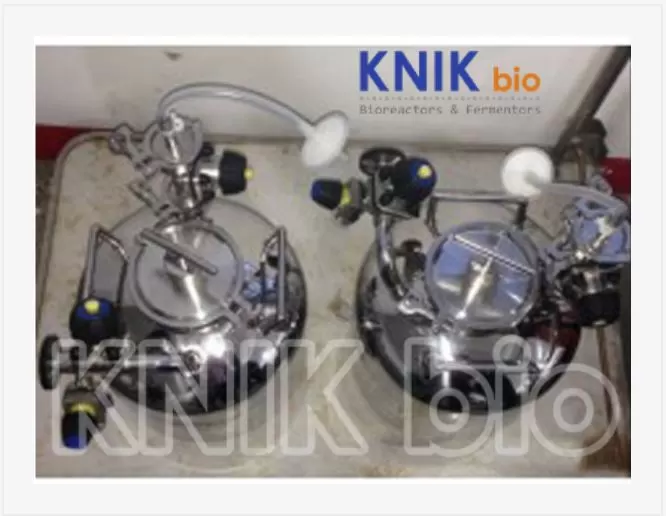
A Closer Look at the Crucial Roles Played by a Fermentor
The primary function of a fermentors is to provide an environment that enables and enhances microorganism growth, reproduction, and fermentation. However, depending on the specific fermentation process, a fermentor may have additional critical roles to play. Below are some examples:
1) Mixing and Agitation: Fermentors such as bioreactors require homogenous mixing of the fermentation mixture to ensure that all microorganisms receive equal amounts of nutrients and oxygen. The agitator in the fermentor helps to create a laminar flow that promotes constant mixing while also preventing the clustering of microorganisms.
2) Temperature Control: Temperature is a crucial factor that can influence the growth and viability of microorganisms. In most cases, fermentors maintain their prescribed temperature via a heating or cooling jacket. The ideal temperature varies depending on the microorganisms, but most fermentation processes require temperatures between 20-40°C.
3) pH Control: A change in pH can significantly affect the growth of microorganisms in a fermentor. Depending on the fermentation process, the pH may fluctuate or require to be kept at a constant level. A fermentor’s pH control system regulates the pH range by adding acids or alkaline solutions and also monitors pH levels to prevent imbalances.
4) Oxygenation: Oxygen is another critical requirement for the growth and fermentation of microorganisms. Fermentors employ various techniques to ensure the provision of adequate oxygenation, including sparging with air or pure oxygen or using mechanical agitation to circulate air between the liquid and gas phases. Continuous oxygenation helps to maintain the optimal conditions for the microorganisms.
5) Sterilization: A clean and sterile environment is necessary for the successful growth and fermentation of microorganisms. Fermentors often undergo thorough cleaning and sterilization before and after use.
Discover Why Fermentation Tanks are So Important in Brewing, Biotech, and More!
Fermentation tanks play crucial roles in various industrial processes, but perhaps none more than in brewing. The primary function of a fermentation tank in brewing is to create an environment that allows yeast to transform sugars into alcohol and carbon dioxide while also allowing for flavor development.
In the biotech industry, fermentation tanks are essential for the production of vaccines, antibiotics, enzymes, and other biologics. Fermentors used in the biotech industry often have strict regulatory requirements, especially regarding cleanliness, sterility, and equipment qualification.
In the food industry, fermentors facilitate the production of various fermented foods, such as yogurt, cheese, pickles, and soy sauce. The precise control of temperature, pH, and oxygenation within fermentation tanks ensures that the desired microbial transformations occur for the desired amount of time.
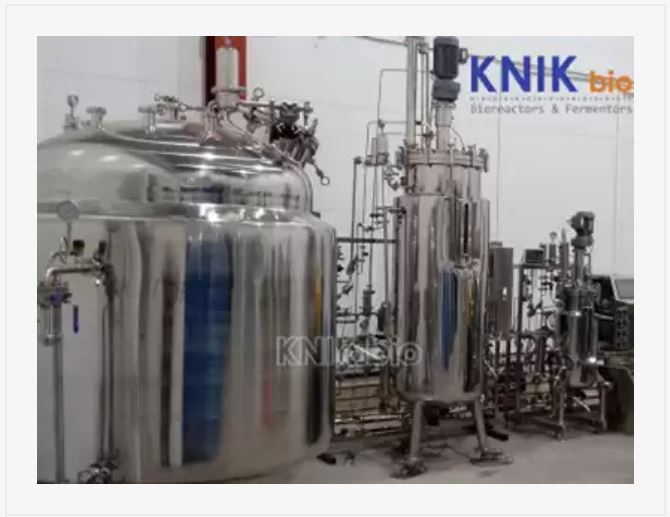
The Key Functions of a Fermentor and Why They Matter
In summary, the primary function of a aerobic fermentation is to provide an environment that enables and enhances microorganism growth, reproduction, and fermentation. This is achieved through precise control of temperature, pH, oxygenation, and agitation, among other factors. Fermentors play critical roles in various industrial processes and are essential for the production of biologics, fermented foods, and beer.
The importance of fermentors cannot be overstated, and as technology continues to advance, there will undoubtedly be further developments in their design and functionality. As we continue to explore and gain knowledge in the field of fermentation, we must not forget the crucial role that fermentors play in ensuring the success and efficiency of fermentation processes worldwide!