
Cell suspension culture technology refers to the large-scale and highly efficient culture of animal cells used in biological products under artificial conditions by using bioreactors. With the continuous innovation and development of biotechnology, animal cell suspension culture technology has been widely used in the large-scale culture of viruses, which has a very high production efficiency, and also has the advantages of high quality and biosafety and easy to control.
The majority of cells used in cell suspension culture for in vitro cultivation are of animal origin, so this technique is well used in the preparation of veterinary vaccines.
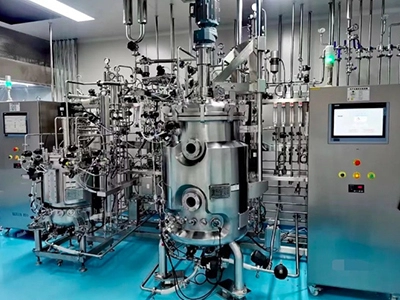
Veterinary Vaccine Production Line
NO.1
Selection and suspension of domesticated animal cell lines
In the production of animal vaccines, safety, efficacy and cost control are the most important considerations in vaccine production, which is the only way to improve the productivity of veterinary vaccine production and ensure the reliability of the quality of biological products.
During the production process, it is very important to make a good selection of animal cell lines and domestication of these two aspects to optimise the achievement of the above requirements. Because of the interaction between the same cell and the virus to be amplified, before applying a certain cell line for large-scale vaccine production, it should be selected for mutual adaptation with the target virus in advance. At the same time, the growth characteristics of the selected cells are decisive for the possibility of large-scale proliferative cultures and which process to use for proliferative cultures, due to the fact that the same cells have different sensitivities to viruses in different culture states. On the other hand, this technique requires high propagation efficiency, viability and biostability of the suspended cells. Domestication is the first priority for cell suspension, and it is desirable to maintain the viability of the cells at more than 90%.
NO.2
Selection of optimal medium
The selection of suitable culture medium is the most critical part of cell suspension culture technology. Generally, the growth of animal cells must have the presence of serum as a nutrient, but due to the complexity of the composition of serum, and there are high prices, the composition of serum varies greatly from batch to batch and other drawbacks, resulting in the application of this medium in the actual production of vaccines is difficult.
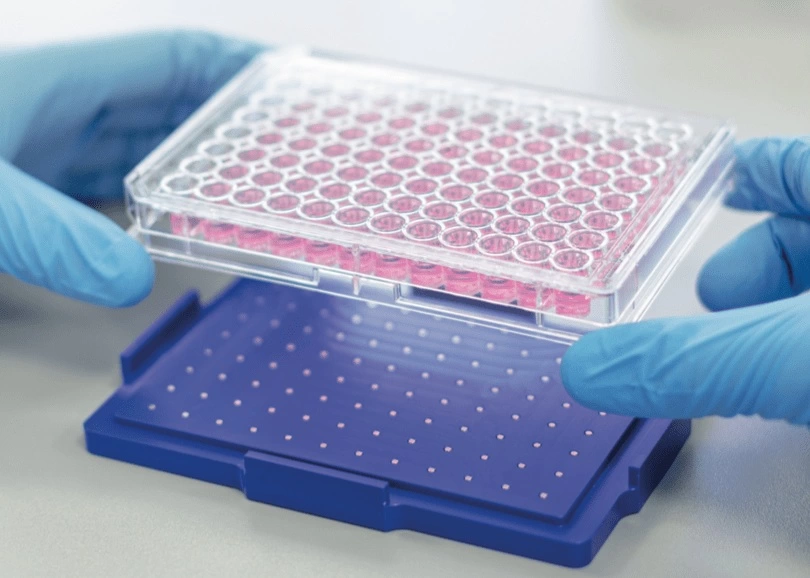
At present, with the continuous innovation of technology, this serum medium has been gradually replaced by serum-free medium, which effectively reduces the contamination of serum medium and also reduces the production cost to a certain extent. However, due to the high selectivity of cell culture medium, a single serum-free medium cannot be applied to the cultivation of a variety of cell lines, which has led to the rapid development of personalised serum-free medium, which can be used to add an appropriate amount of transferrin, insulin or fibronectin and other specific bioactive substances, in order to promote the rapid propagation and growth of animal cells.
NO.3
Choosing the right bioreactor
As a key piece of equipment in the centre of cell suspension culture technology, the bioreactor uses cells or enzymes as a biocatalyst and also provides a sterile environment for cell growth and multiplication.
Its greatest advantage is the ability to scale up step by step, and since the cost of vaccine production is affected by the size of the cells produced, the choice of bioreactor has a direct impact on the cost of vaccine production. The requirements for bioreactors in vaccine production usually include the following: high production efficiency, high reliability, low production cost, high safety, high activity, easy quality control and recovery, and high cell density. The following types of bioreactors are more commonly used in actual production, namely: fluidised bed bioreactors, air-lift bioreactors and rotary cell culture systems.
NO.4
Selection of production process
The choice of production process determines the final input process of cell suspension culture technology, which can be classified into the following five modes according to the different culture methods: batch, flow-addition, semi-continuous, continuous and perfusion operation, etc. Different production processes have their own characteristics and advantages, and also have their own corresponding types of bioreactors. Different production processes have their own characteristics and advantages, as well as their own corresponding types of bioreactors, which can be flexibly optimised according to the different cultured cells and the types of vaccines produced in the actual production process.
KNIK has extensive experience in the manufacture of various types of reactors and pressure vessels. KNIK has a team of experts in the fields of biological reaction, fermentation process, machinery manufacturing and automation control, and its scientific research and technology level is always in the leading position in China and the international first-class level, which provides you with comfortable, assured, and reassuring product experience.