
Exploring the Benefits of Microbial Fermentation in Biotechnology
Microbial fermentation is a biological process that has been used for centuries to produce a variety of products. This process involves the conversion of organic substances such as carbohydrates into other compounds through the action of microorganisms. The applications of microbial fermentation are numerous and can be seen in biotechnology, food preservation, production of antibiotics, waste reduction, and sustainable energy sources.
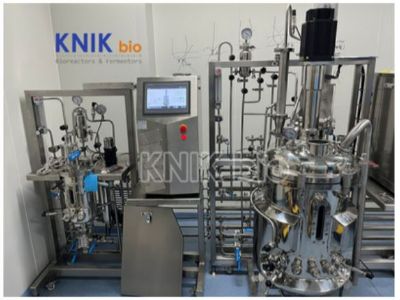
In biotechnology, microbial fermentation is utilized in the production of a wide range of biologically active compounds like enzymes, organic acids, amino acids, and vitamins. Fermented products like beer, wine, and cheese, are also made possible using microbial fermentation. This process involves the growth of microorganisms in a controlled environment that eventually leads to the production of the desired end-product. The control of microbial growth and activity is key to the success of microbial fermentation in biotechnology.
Understanding the Role of Microbial Fermentation in Food Preservation
Food preservation is an important application of microbial fermentation. This method has been used for centuries to preserve food and prevent spoilage. The use of microbial fermentation in food preservation involves the addition of microorganisms to the food product to prevent the growth of harmful bacteria. The microorganisms then produce organic acids that reduce the pH of the food, making it difficult for harmful bacteria to survive.
The pH reduction caused by microbial fermentation leads to the preservation of the food product, making it last longer and preventing spoilage. Common examples of fermented foods include sourdough bread, yogurt, pickles, and sauerkraut. The use of microbial fermentation in food preservation has also led to the development of new and unique flavors, textures, and aromas in food products.
Why Microbial Fermentation is Crucial for the Production of Antibiotics?
Antibiotics refer to a group of compounds used to prevent or treat bacterial infections. The production of antibiotics is crucial in healthcare and medicine to prevent the spread of bacterial infections. Microbial fermentation is one of the key methods used in the production of antibiotics.
The use of microbial bioreactors in the production of antibiotics involves the cultivation of microorganisms, which are then exposed to various factors that stimulate the production of the desired antibiotic compound. The use of microbial fermentation in the production of antibiotics has led to the development of new and more effective antibiotics, which are critical in treating bacterial infections.
The Environmental Impact of Microbial Fermentation in Waste Reduction
Waste reduction is a critical issue in environmental sustainability, and microbial fermentation plays a vital role in achieving this objective. Microbial fermentation is employed in the treatment of waste material, which results in the production of useful products like biogas and compost.
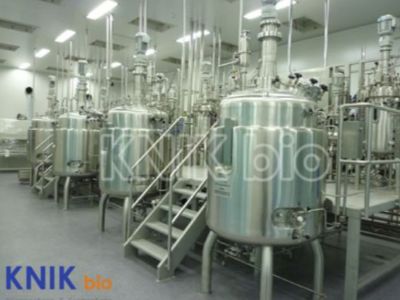
The process of microbial fermentation in waste reduction involves the cultivation of microorganisms in a controlled environment that leads to the break down of organic matter into simpler compounds. The end products of microbial fermentation can be used as an energy source or fertilizer. The use of microbial fermentation in waste reduction reduces the amount of waste going to landfills and decreases dependence on non-renewable energy sources.
How Microbial Fermentation Contributes to the Development of Sustainable Energy Sources
Sustainable energy sources are essential to reducing dependence on non-renewable energy sources, which have significant environmental impacts. Microbial fermentation is a critical method used in the development of sustainable energy sources like biofuels.
The use of microbial fermentation in biofuels involves the cultivation of microorganisms that break down organic material into simpler compounds that can be used as fuel. The end product of microbial fermentation in biofuels is a bioenergy source that can be used as a substitute for fossil fuels. The use of microbial fermentation in the development of biofuels reduces the carbon footprint and enhances sustainability.
In conclusion, microbial bioreactor fermentation is a versatile and powerful process with numerous applications in biotechnology, food preservation, antibiotics production, waste reduction, and sustainable energy sources. Understanding the role of microbial fermentation in these areas is crucial in promoting environmental sustainability and advancing innovative technologies to support new discoveries and advancements in multiple fields.