
As the search for alternative fuel sources continues, scientists and researchers are exploring the use of photobioreactor to cultivate microorganisms that can be used to produce biofuels. Photobioreactors are closed systems designed to grow and harvest microalgae, cyanobacteria, and other microorganisms using sunlight, carbon dioxide, and nutrients. These microbial communities have the ability to produce lipids, carbohydrates, and other valuable compounds which can be converted into biofuels, bioplastics, and other high-value products. , we will discuss the various types of microbes used in photobioreactors and their significant roles in biofuel production.
The Microbes Used for Biofuel Production
Microalgae and cyanobacteria are the most commonly used microorganisms in photobioreactors for biofuel production. Microalgae are small, single-celled photosynthetic organisms that can multiply rapidly. They are capable of converting sunlight, CO2, and nutrients into valuable compounds, such as lipids and carbohydrates, which can be used as biofuels. Cyanobacteria, on the other hand, are blue-green algae that harvest energy through photosynthesis. They are capable of fixing nitrogen and carbon dioxide from the atmosphere, producing valuable compounds such as ethanol, hydrogen, and biodiesel.
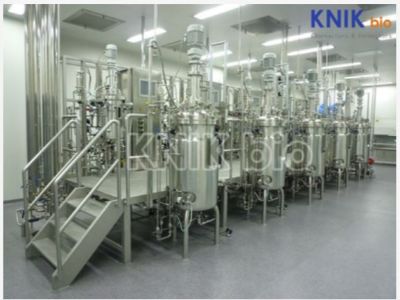
Understanding the Microorganisms Used in Photobioreactors
Microalgae and cyanobacteria are known for their fast growth rate, high biomass yields, and ability to produce valuable compounds. They also have a unique ability to absorb heavy metals, toxins, and other pollutants from the environment, making them useful for bioremediation. However, not all species of microorganisms are suitable for photobioreactor algae. It is important to carefully select the right species of microorganisms that can thrive in the specific conditions of the system, including light intensity, temperature, and acidity.
The Role of Microbes in Maximizing Photosynthetic Efficiency in Photobioreactors
Photosynthesis is the process by which plants and other photosynthetic organisms convert sunlight into energy. However, photosynthetic efficiency can be limited by a number of factors, including light availability, nutrient availability, and environmental stress. In photobioreactors, microorganisms play a significant role in maximizing photosynthetic efficiency by regulating nutrient uptake, carbon fixation, and the synthesis of valuable compounds. Microorganisms also play a role in maintaining a stable pH balance in the system, which is important for optimal growth and productivity.
Exploring the Diversity of Microbes Used in Photobioreactors for Bioremediation
Bioremediation is the process of using microorganisms to remove pollutants from the environment. Photobioreactors are capable of supporting a wide range of microorganisms that can be used for bioremediation. For example, certain species of microalgae can absorb heavy metals and other toxins from water sources, while cyanobacteria can break down organic compounds and pollutants. Photobioreactors can be used to cultivate these microorganisms in a controlled environment, allowing for efficient and effective pollutant removal.
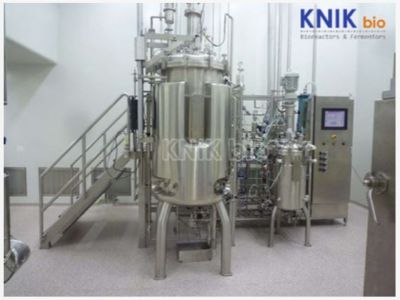
Microbial Communities and Bioprocessing in Photobioreactors for Nutraceuticals Production
Nutraceuticals are natural products that have potential health benefits. Many species of microalgae and cyanobacteria have been found to produce high levels of nutraceuticals, such as carotenoids, omega-3 fatty acids, and vitamins. Photobioreactors can be used to cultivate these microorganisms and extract these valuable compounds for use in nutraceuticals production. The use of microbial communities in photobioreactors also allows for bioprocessing, which involves the use of enzymes, microbes, and other biological agents to break down and extract valuable compounds from microorganisms.
In conclusion, photobioreactors offer an attractive alternative to traditional fossil fuel production by utilizing microorganisms to produce biofuels, bioplastics, and other high-value products. Microalgae and cyanobacteria are the most commonly used microorganisms in photobioreactors, and they play a significant role in optimizing photosynthetic efficiency, bioremediation, and nutraceuticals production. The use of microbial communities and bioprocessing in algae photobioreactor provides an efficient and sustainable approach to the production of valuable compounds from microorganisms.