
When it’s time to scale up a bioprocess, one size does not always fit all, at least in the case of off-the-shelf bioreactors. Every product and process is unique, why should your equipment look like anyone else’s? That’s where custom bioreactor systems come into play. Because we custom-build our solutions, you can ditch bottlenecks, minimize contamination, and achieve stable, repeatable results. Whether you are creating in pharma, food tech, or industrial enzymes, a custom-built solution can do wonders to help your team work faster and smarter. This overview will help you understand how custom bioreactors can matter and whether one makes sense for your setup.
What Exactly Is a Custom Bioreactor System?
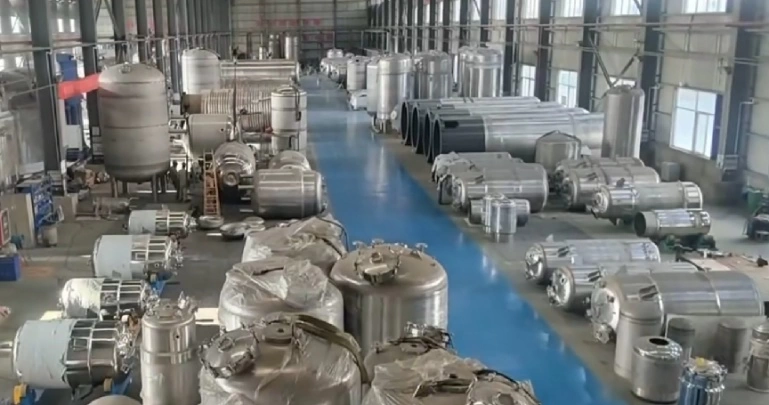
A tailored bioreactor system is developed exactly to fit your bioprocess – not more and not less. What you can do is stop moulding your workflow to what could be a standard machine, you can get a system designed to suit your process requirements. This might be vessel size, type of agitation, oxygen transfer configuration, control system, degree of automation or even how it interfaces with upstream or downstream equipment.
Think of it as building your own kitchen. If you’re operating a small bakery, the layout and equipment of a full-blown restaurant probably isn’t the set-up you’d want. A custom layout ensures that you have everything you need to get the job done: efficiently, safely and cleanly.
For instance, if you’re using shear sensitive cells, such as CHO or stem cells, you may require a gentler mixing system than most standard bioreactors provide. Or, if you’re generating high-value goods in limited runs, you may care more about precision control and data logging than you do about volume. A company producing fermented food additives might require quick turnaround cleaning systems while a pharma lab working on biologics might require GMP-ready documentation and stringent sterilization features.
Bespoke systems are typically developed by experienced bioprocess engineers who consult with you to determine what is most important—e.g., how to keep within a narrow temperature range, deal with foaming, or handle multiple runs in parallel. Such assemblies can be constructed as bench-scale devices for laboratory applications and as large stainless steel tanks for commercial production.
You don’t even need to start from scratch with the creation of one. A made-from-scratch system might just be a subsection of an existing design, with a few of the parts unorthodoxed to meet your exact requirement. And keeping that as a goal is straightforward: construct a setup which works for your process, rather than the opposite.
Why “One-Size-Fits-All” Often Fails in Industrial Bioprocessing?
It may seem easiest to turn to a traditional bioreactor — a plug and play interface with a proven track record. But outside of the lab, this approach frequently hits setbacks. Bioprocessing isn’t one-size-fits-all. Both processes have distinct organisms, media, growth rates, and sensitivities. And when your equipment isn’t planning for those details, things start to fall apart.
Imagine you’re working with a microbial strain that grows quickly and makes a lot of heat. A run-of-the-mill cooling system may not be able to handle it. The result? Too much heat, not enough yield, too little time. Or perhaps you are dealing with viscous fluids. When you leave or when the mixing system isn’t strong or specialized enough, you could find your product has settled so much that it can’t get enough oxygen.
Even the way the bioreactor cleans itself can be important. Remnants in food or cosmetics, such as, in liquid form can create impurities. If your machines didn’t come with options for accessibility or quick cleaning-in-place (CIP), downtime and liability climb quickly.
One real-world example comes in the form of a plant-based protein company. They began with a basic off-the-shelf fermenter, assuming it would suffice. But with demand increasing, they realized the vessel size was incorrect, foam was constantly coming out of the top, and sensors weren’t providing accurate feedback. Their output doubled after they switched to custom machinery with a larger tank, anti-foam controls, and more accurate pH sensors and consistency finally locked in.
The fact of the matter is standard bioreactors are designed to be generic. If your system can’t keep pace with the unique requirements of your cells or microbes, that’s more than an inconvenience — timing, money and market credibility can waste away.
Industries That Gain the Most from Customization.
Not every industry requires a tailor-made bioreactor, but the right one can make the difference between smooth scaling and fighting fires once or even multiple times a year. Industries with high-value, sensitive or rapidly-mobilizing production systems tend to get the most out of customized systems.
Pharmaceuticals are a clear example. Manufacturing biologics such as monoclonal antibodies or vaccines requires strict control over temperature, oxygen and sterility. Even small changes of pH and speeds of stirring can cause batch failures. These teams are able to design systems that comply with GMP manufacturing standards, incorporate real-time monitoring, and integrate into clean room workflows without having to make a compromise.
Food and beverage manufacturers particularly those involved with probiotics, yeast, or plant-based proteins also find significant gains. Every strain or recipe can respond differently under pressure. A kombucha maker, for example, might require gentle mixing and gas exchange; a soy fermentation line, aggressive agitation and heat control. With custom building, they can maximize for flavor and consistency.
Bioplastics and industrial enzymes are also a critical field. These operations usually employ atypical feeds or have extended operation times. Special systems can also be engineered to manage caustic chemicals, withstand high throughputs, or be mounted to a continuous processing line.
And academic labs and scrappy startups can also cash in. Many run their own experiments or pilot projects that don’t fit standard specs. That could be a flexible or modular custom bioreactor in which they can change configurations without purchasing new equipment each time they pivot.
It’s not about adding bells and whistles. It’s not a matter of life and death, it’s as a way to ensure your bioreactor works with your process, not against it. Especially when time or quality or regulatory standards are of the essence, the right setup can be the difference between slow development and production, good and better data, or a rocky production process versus a smooth one from beginning to end.
The KNIKbio Customization Workflow: From Concept to GMP-Ready Fermenters.
Designing a specialized bioreactor might sound complicated — and it is! At KNIKbio, the process is divided to clear, easy to execute steps that lead you from your initial idea to a complete, GMP-ready system. Whether you’re starting with a modest setup or quickly scaling, the workflow is meant to help keep your goals in sight and to avoid any unwanted surprises.
It begins with an in-depth consult. KNIKbio has its engineers come and sit at your side for an hour and show them precisely what you’re making, how your process operates and where it gets hung up. Is more control of oxygen transfer required? Faster batch turnaround? Reduced lab footprint? The questions like this one determine everything that follows.
The next stage is system design. This is the stage where the team figures out vessel specs, control software, automation, cleaning, what goes in the box, how all the parts fit together. You will receive a 3 D model or schematic that will show you the system layout so you have a chance to look at everything before anything is built. It’s not only about function also convenience and ease of maintenance and ability to upgrade in the future, however long off that may be.
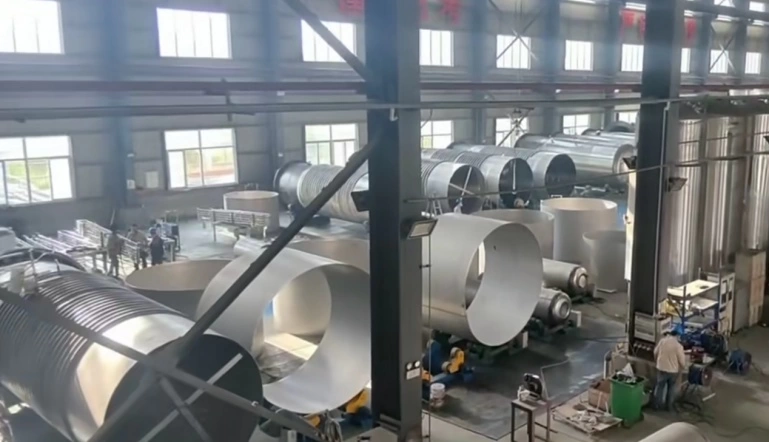
Enter production as soon as your design is approved. ” KNIKbio fabricates and tests all of the major systems: the vessel, sensors, control panels and piping. There is rigorous documentation in every phase for GMP applications. This makes it sound right with the regulators from day one.
Eventually the system is integrated and verified. The crew helps install it, runs test batches and makes sure everything goes off exactly as scheduled. You’re not on your own — KNIKbio offers training, support and upgrades as required.
This incremental tactician path gives you a system sized just right for todayand sometimes also for tomorrow.
How KNIKbio Integrates Your Entire Workflow?
Creating a personalized bioreactor may sound complicated but it doesn’t have to be. At KNIKbio, we have broken this process down into clear, manageable steps that take you from your initial concept to a complete, GMP-compliant system. Whether you’re building small or growing fast, the workflow will help you maintain focus on your goals and mitigate surprises along the way.
The magic starts with a Dive Deep Consultation. For the most part, KNIKbio’s engineering team will join you to understand exactly what you’re making, how your process is functioning and where things are jamming up. Do you require more precise control over oxygen transfer? Faster batch turnaround? Less real estate for your lab? Questions like these are everything that follows.
The next step is the system design phase. Here the team documents the specifics of the vessel, the control software, the automation features, the cleaning options, and how it all fits together. You will receive a 3D model or schematic of the system layout, so you can see everything before anything is built. It’s not just about the function—it’s about ease of use, maintenance, and future upgrades as well.
When the design get approved, It enter to the manufacturing. KNIKbio fabricates and tests all of the major components of the system, including the vessel and the sensors, the control panels and the piping. Strict documentation standards are used in all GMP applications. This allows full regulatory authority compliance in the first instance.
The system is then deployed, commissioned and validated. It’s the team’s project to help set up, run test batches, and to ensure everything performs to plan. You’re not abandoned — KNIKbio offers training, support, and upgrades as needed.
This incremental approach ensures you end up with a system that’s right for you now and for whatever the future may hold.
Ready to Engineer Competitive Advantage?
If you’ve ever encountered varying batches, slow turnarounds or equipment that doesn’t suit your process, it might be time to re-evaluate your setup. A custom bioreactor solution is more than just equipment—it’s a resource to give you a competitive edge within the industry.
Consider where your bottlenecks are. Is it cleaning between runs? Maintaining temperature or pH on a tight leash? Perhaps your process looks good in the lab, but scaling up has caused migraines. Those are pain points to them and they are exactly what custom systems are designed to solve.
KNIKbio collaborates with businesses ranging from early R&D teams to full-blown manufacturers. Some are attempting to get a product to market more quickly. Others are struggling with high production costs and seeking to cut down on waste and maintain consistency. Both, however, need equipment that fits their process, rather than compels it to conform.
One alt-meat startup, for instance, increased their yield by 25% by upgrading to a custom KNIKbio fermenter that was better equipped to manage their foaming and oxygen issues than the generic system they originally worked with. For them, this difference meant quicker time to market and the ability to stand out in a crowded field.
Building a competitive advantage in engineering doesn’t always involve being the largest or the fastest. Occasionally, it means simply being savvier with your tools. When your bioreactor fits your process like a glove, everything else becomes easier, less rework, more control, higher product quality.
If you’re working on something ambitious, your gear should not be holding you back. It should help you lead.
Engineering competitive advantage doesn’t always mean being the biggest or the fastest. Sometimes, it just means being smarter with your tools. When your bioreactor fits your process like a glove, everything else gets easier—less rework, more control, better product quality.
If you’re building something ambitious, your equipment shouldn’t hold you back. It should help you lead.
Image suggestion: Real photo of a satisfied production team working with a KNIKbio custom system, with a caption like “Designed to fit. Built to lead.”