
When it comes to sensitive bioprocesses, such as ones for pharmaceuticals, vaccines, enzymes, or food grade, the type of equipment you use makes a difference. For good reason, this option presents itself as the logical choice in many cases a stainless steel bioreactor. These systems aren’t just rugged; they’re built to adhere to rigorous sanitary standards, accommodate high-pressure environments, and streamline large-scale, uniform production. In cleanroom settings where contamination is not an option – stainless steel offers reliable protection that’s easy to clean and sterilize. And if you’re moving up from the laboratory to full-scale production, or looking for greater control over your process, it’s worth knowing why stainless steel reactors still hold their own when it comes to demanding applications.
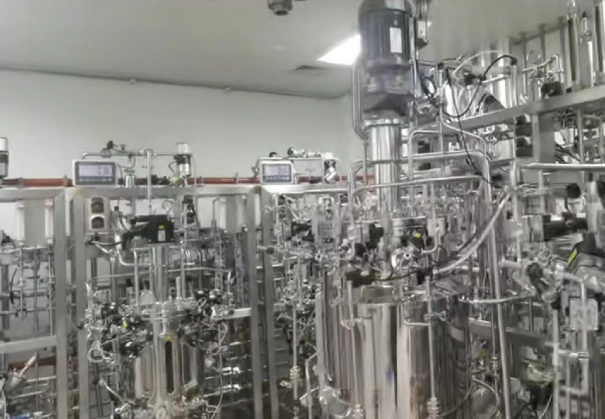
What are The Advantages of Stainless Steel Bioreactors?
Stainless steel is the material of choice in large-scale bioprocessing due to its combination of strength, cleanliness and long-term value that others struggle to match. If we unpack some of the primary benefits, particularly for teams operating commercial or critical bioprocesses.
Simple to Clean and Sterilize (CIP/SIP Ready): One of their greatest advantages is that these systems are very simple to clean. The majority of stainless steel bioreactors are designed for use with CIP and SIP process systems. That is to say, you can leave them assembled between attempted batches. They can be run through automatic cleaning and sterilization cycles at the touch of a button, which can minimize downtime and human error. This is important in industries, like pharma standards, where cleanliness is not a choice.
Durable Design: Stainless steel is highly resistant to corrosion in controlled environments. It stands up to heat, pressure, and strong cleaning agents, even when exposed over and over again. Most facilities run the same reactor for just more than 10 years with the maintenance it needs. Stainless is your key to not having to buy new glasses every time the glass does scratch or to throw out those clear plastic cups as they lose their sheen over time.
Better for Scaling Up: Once your process scales from lab to production, the key is consistency. Bioreactors constructed of stainless steel can also be manufactured in large volumes (i.e. thousands of liters) and still maintain uniform mixing, temperature control, and sterility. Digital control systems make everything, the pH, the DO, the agitator speed something you can monitor and change as things are stirring and brewing.
Crisper Results, Less Cross Contamination: Polished, non-porous stainless steel Interior is designed not to hold food or collect germs. That helps prevent cross-contamination between batches. And the slick surface makes inspections more manageable; problems get spotted before they can blossom into crippling disrepair.
High Temperature and High Pressure Tolerance: Some biological actions require very high temperatures or increased pressure to function effectively. Both can be done on stainless steel without the fear of warping or cracking. Yes, it’s the best choice if you are working with gases such as oxygen or carbon dioxide under pressure, or if your process requires heat sterilization.
In other words, stainless steel bioreactors offer control you can count on, cleaner production and a scale-up with less stress. They aren’t always the cheapest option up front, but they are often the smartest if what you require is reliable performance over the long term.
Applications Where Stainless Steel Reigns Supreme.
Stainless steel bioreactors are not the best system for all applications, but there are instances where they are just the best tool for the job. If you are working in any of the sectors listed below, you need to start take stainless steel into serious consideration as your go to setup.
Pharmaceutical Manufacturing: Whether you’re manufacturing vaccines, monoclonal antibodies, or biologics, you can’t risk contamination or variability. Stainless steel systems are in compliance with regulations that have strict requirements such as cGMP and FDA. The fact they can be fully sterilized using SIP systems and monitored digitally, makes them built for the precision required in drug manufacturing. For many commercial-scale vaccine plants, like, for example, they are highly dependent on stainless steel vessels throughout production.
Industrial Enzyme Production: Manufacturing enzymes frequently requires fermentation on an industrial scale under brutal conditions — high temperatures, shifts in pH and lots of stirring. Steel is strong and chemically resistant and can handle this type of workload. And it is durable so producers can run several batches daily without having to maintain it ad nauseam.
Beverage Production and Fermentation: Whether you are a large dairy or a boutique microbrewery, you know that the tanks for your beverage play a crucial role in the production of and maintaining of your product – both in the quality of the product and the purity of the process. They’re easily cleaned to meet food safety regulations, and they don’t absorb odors or flavors, so the taste of your product remains pure.
Biofuel and Biochemical Stainless Steel Applications: For companies that manufacture ethanol, biodiesel, or bio plastics, stainless steel systems can stand up to more abuse, volume, and abrasive agents than systems made from other materials. They enable you to run the machine at a consistent level over long periods of time and are therefore great for continuous or heavily use production runs.
Biologics Cell Culture: Sensitive and biologics-related mammalian cell cultures benefit from the precision control stainless steel provides for the temperature, oxygen and other variables, because of its relatively unstable geometry. From cancer therapies to regenerative medicine, these cultures have been used in everything.
In such instances, the requirements of sterility, longevity and process-control are considered to justify higher initial costs. When your process involves fragile organisms, corrosive media, or stringent regulations, stainless steel is usually the best, most reliable option.
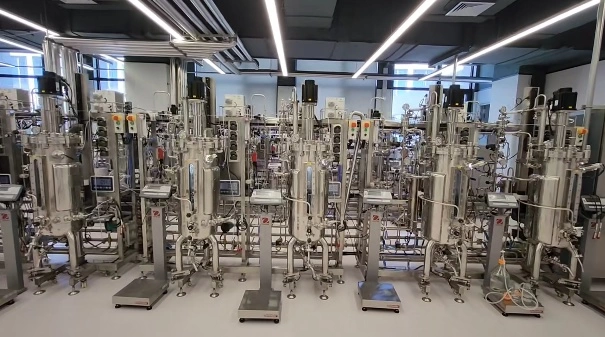
Choosing the Right Stainless Steel Bioreactor Partner.
It’s not just about buying equipment—it’s about setting up your process for long-term success. Deciding on the correct partner for your stainless steel bioreactor is not unlike selecting your significant other. The correct vendor will provide not just a good product, but the backing you will need through installation, scaling, and further upgrades. Here’s some advice to help guide your decision.
Seek Experience that Proves It: Ask whether the supplier has experience in your industry whether pharmaceuticals, food, biotech (or all of these). Inquire about case studies or references. A supplier who designed for your kind of application will know more of what is needed, the gotcha’s and the you have to’s.
Consider Customization Support: Each process is unique. A strong partner should support in making a bioreactor design fit your needs, not force a standard-issue model. That would involve the ability to change the size of vessels, the arrangement of ports, control systems and the level of automation. So the more flexible you are when they are defining the design, the smoother your running is going to be thereafter.
Consider Their Support and Service: A high-quality bioreactor is useless if the support isn’t there for you when something goes wrong. Next, inquire about their local service presence, response time and spare parts availability. Can they offer remote diagnostics? Do they offer installation and training on site? Long-term follow-up is as important as initial set-up.
Verify Control System Compatibility: A few suppliers have proprietary control systems which can make interfacing with your plant’s SCADA or MES systems more challenging. A good partner will be transparent about its control platform and provide you with options that integrate with your tech stack.
Consider the Total Cost, Not Just the Price Tag: Skimping on the lowest quote could cost you in downtime, maintenance, or product loss. There are other factors to consider too — like energy efficiency, cleaning cycle time, probable lifespan, and upgradability. A little more now could save you years of headaches.
Don’t forget the FAT (Factory Acceptance Test): Ask for full testing before shipment, including simulated conditions if they can. This is a nice way to catch problems before things are installed. A serious seller will not skimp here.
Because ultimately, a good partner listens to your needs, provides smart solutions and stays with you beyond the sale. Don’t just buy a machine develop a relationship that will help you meet your production goals today and for years to come.
KNIKbio: Your Trusted Partner for Premium Stainless Steel Bioreactors.
When you’re purchasing the equipment that powers your entire bioprocess, trust is everything. At KNIKbio, no the emphasis is not just on constructing stainless steel bioreactors but on helping you build a process that runs seamlessly, day in and day out. No matter if you’re increasing capacity for cell culture production, refining fermentation or starting a new product line, KNIKbio collaborates with your team to discern the nuances that differentiate your system.
KNIKbio bioreactors are precision manufactured from industry-grade stainless steel with rigorous testing for durability, sterility and cleanability. But the real difference is in that hands-on support. From the design of the initial layout and vessels, to integrating the control of the system and training for staff after installation KNIKbio stays engaged. That means less waiting, more performant previews, and a pain-free process for going to production.
Real-world customers from pharmaceutical labs to industrial enzyme developers frequently cite how rapid KNIKbio is to respond whenever questions arise. From designing a system to fit into the last bit of cleanroom space or incorporating a one-of-a-kind mixing arrangement, the KNIKbio team delivers practical solutions without adding layers of complexity.
And for those naturally inclined for the long game, such growth-friendly hardware from KNIKbio is designed to scale. Most systems begin small and can scale with your business, as a result of modular designs and controls that are easy to upgrade. Bringing systems to market that can perform under pressure both literal and figurative, KNIKbio has built a solid reputation for reliability.
So if you want more than just a piece of equipment, but rather a team who understands and support what your process needs are, who helps make you make it happen, KNIKbio is here to partner with you.
Ready to harness the power and longevity of stainless steel for your bioprocess?
If you are looking to grow beyond the lab and into full scale production, selecting the right equipment upfront can ultimately save you tremendous time, money and frustration. The robust construction, cleanability and process control, up-time reliability, that such high-value bioprocess demand all conspire to make the bioreactor made of stainless steel as the preferred candidate. They’re also durable enough to withstand real-world production stresses while protecting your product and maintaining a sterile environment.
Whether it’s vaccines you’re making, enzymes you’re growing or your scaling a probiotic line, your products deserve a durable, consistent foundation to support your smooth, repeatable batches. And with a strong partner like KNIKbio, you’re not just getting equipment, you’re getting a system that will serve you well, and a team that is going to support you every step of the process.
So whether your next stage is about increasing your throughput, refining quality control or just making more of it with fewer production hiccups, it’s entirely possible stainless steel will be a smart move. Begin by taking a good look at what your process requires today — and where it needs to be tomorrow. The right bioreactor can make that journey a whole lot easier.