
The application of bioreactors has greatly facilitated fermentation process. They operate as if they were a special box that allows you to grow living creatures, called microbes, that can generate all manner of useful things: medicines, food, you name it. For different types of fermentation you will use a different type of bioreactor. In today’s episode, we cover: More details on how bioreactors work and how they can be used to assist us in achieving various fermentation objectives.
Bioreactors for fermentation, multipurpose vessels?
Bioreactors are essentially magic pots that let us make anything we want, using small organisms. They are used in everything from medicine to food and yes, even producing fuel! Bioreactors can also be minuscule or immense, depending on what we want to make and how much of it we’d like to produce. We can harness them to produce vaccines that protect us, keep us healthy; enzymes that make our laundry cleaner or biofuels that help save the planet! This is a very versatile tool that we can use to address a wide range of fermentation needs.
Importance of bioreactors in different fermentation processes
The different types of fermentations require different conditions to support the generation of the specific product by the organisms. Stainless steel bioreactors fermentors provide the perfect home for these tiny entities by regulating factors such as temperature, oxygen content and pH. In some fermentations, the microbes need lots of oxygen in order to grow, so you find yourself with bioreactors that have good aeration systems. In other instances, the microbes prefer to grow in darkness, which again, is singling out the bioreactors — no light, please. Then we can choose suitable bioreactor in accordance with the microbes’ demand at every fermenting process, so as to promote or facilitate the growth of the microbes and finally obtain a kind of desired products.

Comparison Of 4 Types Of Bioreactors For A Successful Fermentation
The most commonly employed bioreactors for fermentations are classified into four groups, including stirred Mixing tank bioreactors, airlift bioreactors, packed bed bioreactors, and membrane bioreactors. Essentially, stirred-tank bioreactors are giant mixing bowls, kind of like a cake mixer, which stir the bacteria around and ensure they have enough food and air. Bubbles in air-lift bioreactors gently lift and then drop the microbes, giving them the oxygen they need to grow. Packed bed bioreactors generally have a large number of small particles which provide a surface for the microbes to live. Membrane bioreactors use special filters to extract the microbes from the liquid in which they are growing.
Maximizing the Efficiency of Fermentation with the Ideal Bioreactor
Choosing the right custom bioreactor system for your fermenter application can help to maximize the process efficiency and production yield it was designed for. For example, if you are fermenting a product that needs a lot of oxygen, you could use an air-lift bioreactor with excellent aeration capabilities so that the microbes grow excellently. If the way you ferment leaves toxins and impurities in the final product that would need to be filtered out, a membrane bioreactor with special filters can clean up the end product. Thanks to the perfect bioreactor for you fermentation you achieve the best possible results and still save time and money.
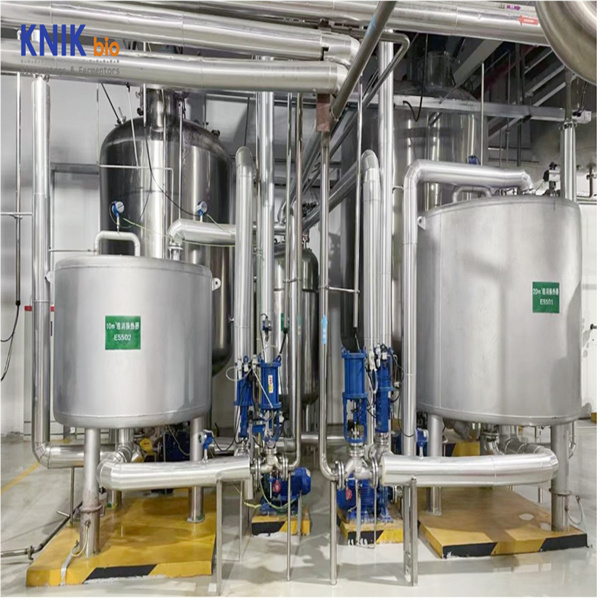
How Bioreactor Is Manufactured to Meet Your Various Fermentation Needs
Whatever strain of Fermentation Equipment you want to pull, there’s a bioreactor makerspace out there that can help you pull it. Bioreactor types differ in their size and complexity according to the fermentations they are used for. “Whether you’re making medicine or food or biofuels, this will be a little factory chamber where the microbes can grow and make the stuff you want to get out of them,” he said. Once you realize how versatile bioreactors are and how you can use them for so many fermentation applications to get the right fermentation bioreactor options and achieve success in the projects.
Finally, bioreactors are necessary in the fermentation stage.They provide the perfect environment in which microbes can reproduce to make these wonderful compounds. So, from different types of bioreactors (bioreactor processes and types) (we also discussed bioreactor working principle of all) used to fermentation processes, to comparison of bioreactors, Biochemical reaction engineering of bioreactors in ‘Chemical Engineering’ and how to use bioreactor for optimized fermentation with different type of fermentation, that’s how we can succeed our bioreactor goals. With a good bioreactor from KNIKBIO you push the fermenting projects to an advanced technological level and produce great things with the power of microorganisms!