
01What is inactivation?
Inactivation refers to the method of killing viruses, bacteria, etc. by physical or chemical means without damaging useful antigens in their bodies.
Inactivation of the virus will destroy the advanced structure of the viral protein, the protein will no longer have physiological activity, and lose the ability to infect, cause disease and reproduce, but conventional inactivation will not affect the primary structure of the viral protein, that is, the sequence of the viral protein will not change .
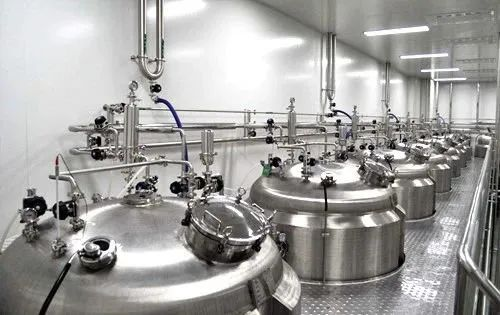
Inactivated viruses are antigenic but lose their infectivity, which is how many vaccines are made. The inactivated pathogens can be used to prepare vaccines or conduct experimental research to achieve the purpose of preventing diseases or gaining insight into the characteristics of pathogens.
02Inactivation method
Inactivation can be achieved by a variety of methods, including physical methods (such as high temperature, radiation, etc.) and chemical methods (such as treatment with chemical substances). Common inactivation methods are as follows:
1. Heat inactivationHeat inactivation inactivates pathogens by heating them to damage their protein and nucleic acid structures, thereby inactivating them. Serum is inactivated by heat, which effectively inactivates heat-sensitive substances such as complement proteins in donor blood or serum, and can also reduce the titer of several viruses.
2. Radiation methodRadiation inactivation uses radiation, such as gamma rays, to irradiate pathogens, disrupting their nucleic acid structure, resulting in inactivation. Ultraviolet sterilization belongs to irradiation disinfection. Ultraviolet rays can concentrate high intensity to kill bacteria and viruses in a short time, which belongs to pure physical disinfection method.
3. PasteurizationPasteurization is to denature the viral protein under suitable temperature and action time, thereby inhibiting the replication of viral genetic material, making the virus lose infectivity, and inactivating hepatitis B virus, hepatitis C virus and human immunodeficiency virus.
4. Organic solvent/detergent (S/D) methodThe S/D method can completely and effectively inactivate intracellular and extracellular pathogens and pathogens attached to the cells. The selected reagents can selectively enter the cells without damaging the cells. The treated red blood cells do not produce new antigens or antibodies, which is harmful to the human body. harmless. Therefore, the S/D method was used for viral inactivation of concentrated human blood factor VIII and has been widely used in the production of biological products.
5. Low pH incubation methodThe low pH incubation method is a chemical virus removal/inactivation technology. By destroying the integrity of the virus envelope and blocking the way the virus binds to the host receptor, the virus cannot infect the host cell and inactivates the virus. . Commonly used in the virus inactivation process of monoclonal antibodies.
6. Membrane filtration methodMembrane filtration is a technology to filter out viruses through pore size filtration. Using the difference in size between viruses and proteins, proteins smaller than the average pore size pass through the filter membrane, and viruses larger than the average pore size are trapped in the membrane, thereby achieving the effect of virus removal . It is mostly used for virus removal in blood products and biological products, and can effectively remove non-lipid enveloped viruses.
03knike inactivation system
Knike inactivation system is mainly composed of reaction tank, centrifugal pump, stirring device, pipeline system and control system. According to the needs of customers, the feeding method, cleaning and sterilization, temperature control, discharging method, etc. are designed.
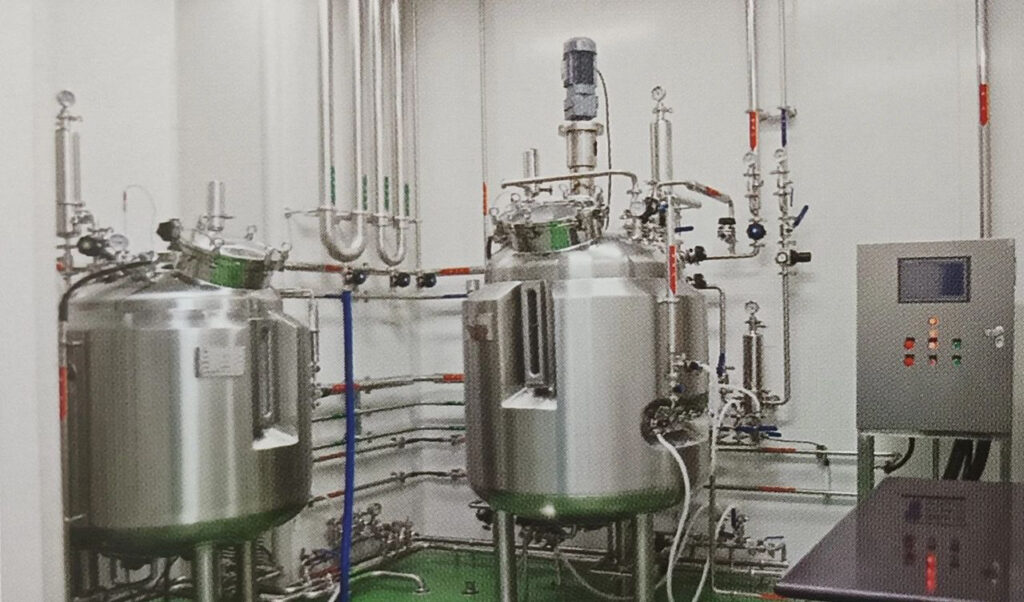
All equipment, pipelines, instruments, and electronic control systems of the Knike inactivation system are designed in a modular manner and integrated in the rack. While facilitating the operation of system equipment, it is also beneficial to the installation and layout of the user unit in the workshop, reducing the space occupation rate, and the installation and commissioning are simple and convenient.
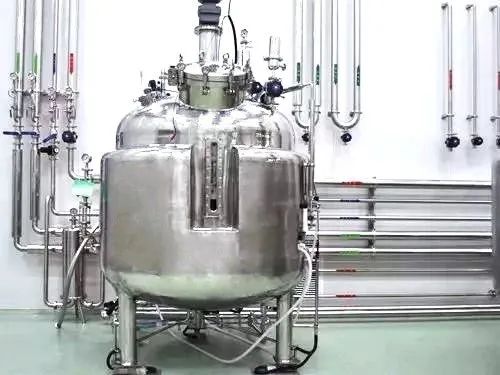
Knike inactivation system meets a variety of process requirements, supports side wall sampling, stable and reliable sampling valve design and sterilization, automatic start and stop stirring and speed adjustment, automatic recording and storage of process parameters and upload data through the network, suitable for blood products And vaccine products, the process system is stable and reliable, easy to operate and easy to verify.