
Factors Affecting High Density Fermentation of Escherichia coli
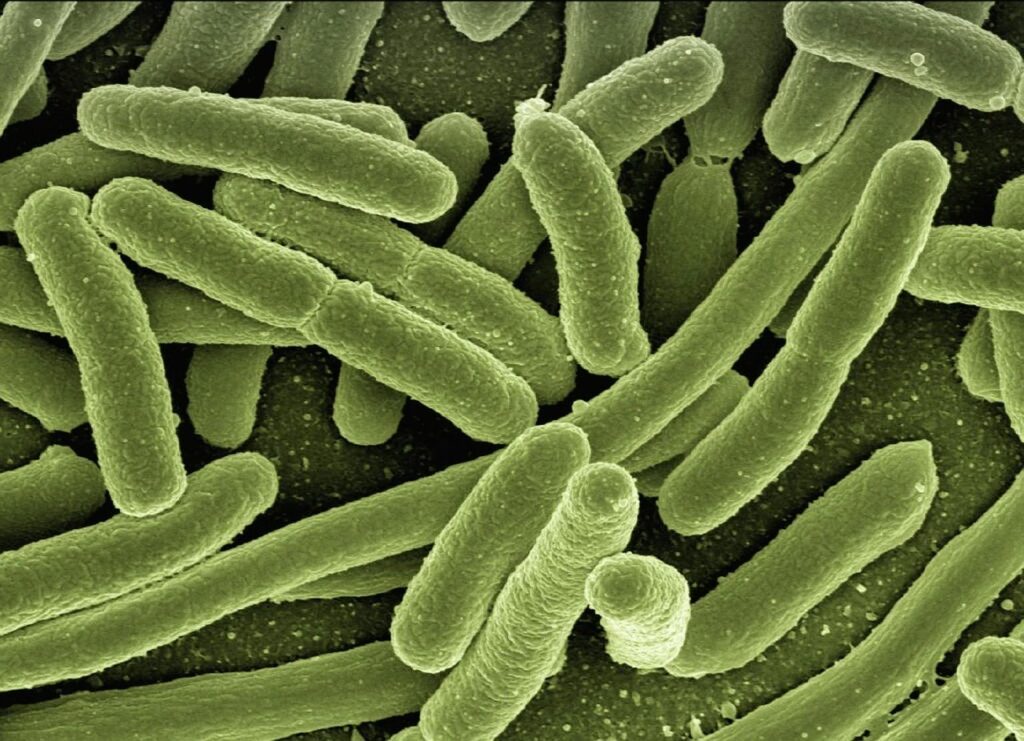
Ⅰ. High Density Fermentation Process
High-density cell culture technology, also known as high-density fermentation technology, means that under a certain culture system, by improving the culture method and culture conditions, the fermentation density of the bacteria is significantly increased, and the specific productivity of the product is finally increased (the product per unit volume and unit time). yield) of bacterial culture techniques.
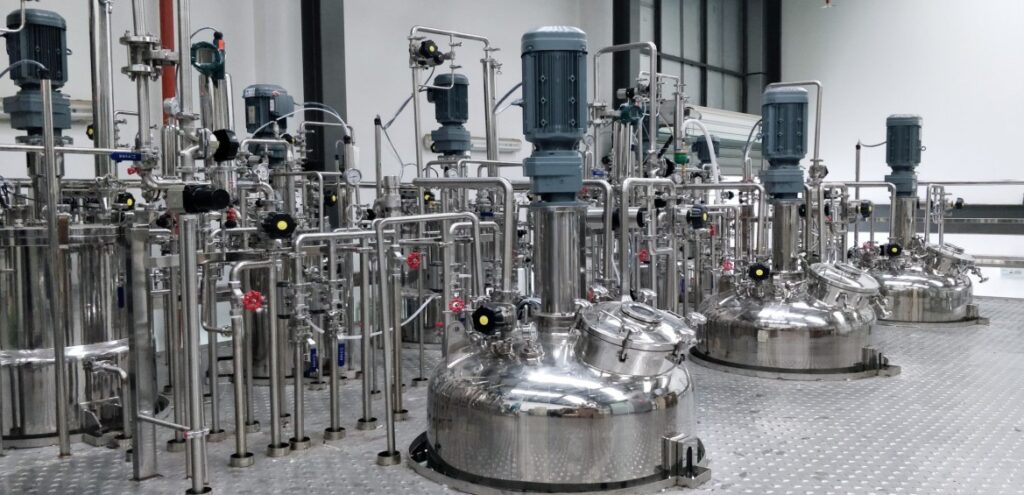
High-density culture of recombinant E. coli cells is an important strategy to obtain high yields of exogenous proteins. This technology can not only reduce the culture volume, strengthen downstream separation and extraction, but also shorten the production cycle and reduce equipment investment, thereby reducing production costs. , The purpose of improving production efficiency.
Ⅱ.Main Factors Affecting Escherichia coli High Density Fermentation
01Host type
Different E. coli strains have great differences in growth conditions, exogenous gene expression ability, production of metabolic byproducts, and tolerance to inhibitory metabolic byproducts. Therefore, the host bacterium is the key factor to determine whether the genetic engineering product can be produced industrially.
02Medium composition
The culture medium used for high-density fermentation of Escherichia coli is generally a semi-synthetic medium, which is based on the synthetic medium by adding a culture medium that can promote cell growth, metabolism or product formation, such as an appropriate amount of carbon, nitrogen, inorganic salts, amino acids, vitamins, etc.
1. Carbon source
Optimizing the carbon source in the high-density and high-expression fermentation control of Escherichia coli is a key factor, because Escherichia coli uses glucose for fast growth and convenient measurement, so glucose is currently the most commonly used carbon source in Escherichia coli fermentation.
However, when glucose is added in excess, the growth rate of E. coli is too large, resulting in the glucose effect and producing metabolic by-products such as acetic acid, which not only affects the growth of bacteria, but also is not conducive to the expression of foreign proteins. Therefore, using glycerol instead of glucose as a carbon source can effectively reduce the accumulation of the inhibitory metabolite acetic acid, which is more conducive to the high-density fermentation of recombinant bacteria.
2. Inorganic salt
In order to maintain normal growth and metabolism of microorganisms, in addition to carbon and nitrogen sources, they also need essential ions such as Ca2+, Mg2+, K+, Na+, etc.
According to the growth amount of E. coli in the basic medium, the amount of various inorganic salts (calculated based on the amount of 1L medium) required to obtain 1 g/L of E. coli is deduced as: 0.77gNH4Cl, 0.125gKH2P04, 17.5mg MgSO4. 7H2O, 7.5mgK2SO4·7H2O, 0.64mgFeSO4·7H2O, 0.4mgCaCl2.
3. Trace elements
Microorganisms have little demand for trace elements such as Fe2+, Mn2+, Pb2+, Co2+, Ni2+, Zn2+, etc., but trace elements play a great role in the growth of microorganisms. Among them, ferrous ions have a significant impact on the physiology of microorganisms. Adding Fe2+ to the medium can promote the growth of various E. coli strains and reduce the production of acetic acid.
03Inducer selection
The most commonly used inducer to induce expression of heterologous proteins in E. coli is isopropyl-β-D-thiogalactose (ITPG). Although the induction effect of IPTG is satisfactory, the shortcomings of IPTG limit its application in large-scale fermentation production. Although the induction effect of lactose is not as good as that of IPTG, and the induction process is much more complicated than that of IPTG, the advantages of lactose, which are non-toxic and cheap, are of great significance for industrial fermentation and production of recombinant proteins.
Ⅳ.Choice of culture conditions
1. Dissolved oxygen
The growth process of Escherichia coli requires the participation of oxygen, and the concentration of dissolved oxygen has a great influence on the growth of bacteria and the formation of products. For this reason, people have developed many methods to increase the supply of dissolved oxygen, such as adding H2O2 to the medium, expressing hemoglobin in Escherichia coli engineering bacteria and so on. In practice, the dissolved oxygen level is often controlled within a certain range above the critical value, which can avoid the damage of bacteria caused by insufficient or excessive oxygen supply.
2. pH value
The pH value of the culture medium during the fermentation process is a comprehensive indicator of the metabolic activity of microorganisms under certain environmental conditions, and is an important fermentation parameter. Keeping the pH relatively stable during the culture process is beneficial to the growth of E. coli and the synthesis of recombinant proteins.
3. Temperature
Temperature will affect the activity of various enzymes and is an important factor affecting the growth and metabolism of engineering bacteria, the formation of recombinant products and the stability of plasmids. For the Escherichia coli chemical expression system, it is generally believed that the induction is carried out at a higher temperature, because a higher temperature is conducive to the growth of bacteria and can obtain a higher biomass. However, it has recently been found that two temperature inductions (30°C → 42°C → 37°C → 42°C) are beneficial to restore cell activity, increase cell plasmid copy number, and increase the expression of target proteins.
Ⅴ.Choice of feed method
There are mainly several ways to cultivate microorganisms in industry, such as batch culture, continuous culture and improved fed-batch culture, among which fed-batch culture is the most effective method to obtain high-concentration biomass. Glucose has been widely used as a feed substrate for high-density fermentations. However, under the condition of excess glucose, Escherichia coli will have a “glucose effect”, accumulate a large amount of acetic acid, and affect the growth of recombinant bacteria and the expression of foreign proteins. Therefore, rational addition of carbon sources to minimize the glucose effect is the key to the success of E. coli high-density fermentation.
Ⅵ.Effect of Inhibitory Metabolites
Escherichia coli will produce harmful metabolites such as organic acids and carbon dioxide during the fermentation process. Among them, acetic acid is the main by-product of Escherichia coli, which affects the final biological yield and recombinant protein expression. With the gradual maturity of glucose electrode technology, people can feed according to the concentration of glucose, the key substance in the culture medium, to maintain the concentration of glucose in the medium at a low level, thereby effectively reducing the glucose effect and reducing acetic acid. generation.
Epilogue
Escherichia coli high-density fermentation technology has been widely used in production practice, and the development of new equipment has also provided more regulation methods for fermentation, enabling the mass production of many natural proteins that were previously unobtainable and high-density fermentation.