
Antibiotics play an important role in selecting stable expression strains, inhibiting microorganisms or tumor cells, and regulating cells. Their use in cell culture can minimize the loss of precious cells, expensive reagents, and time due to contamination.
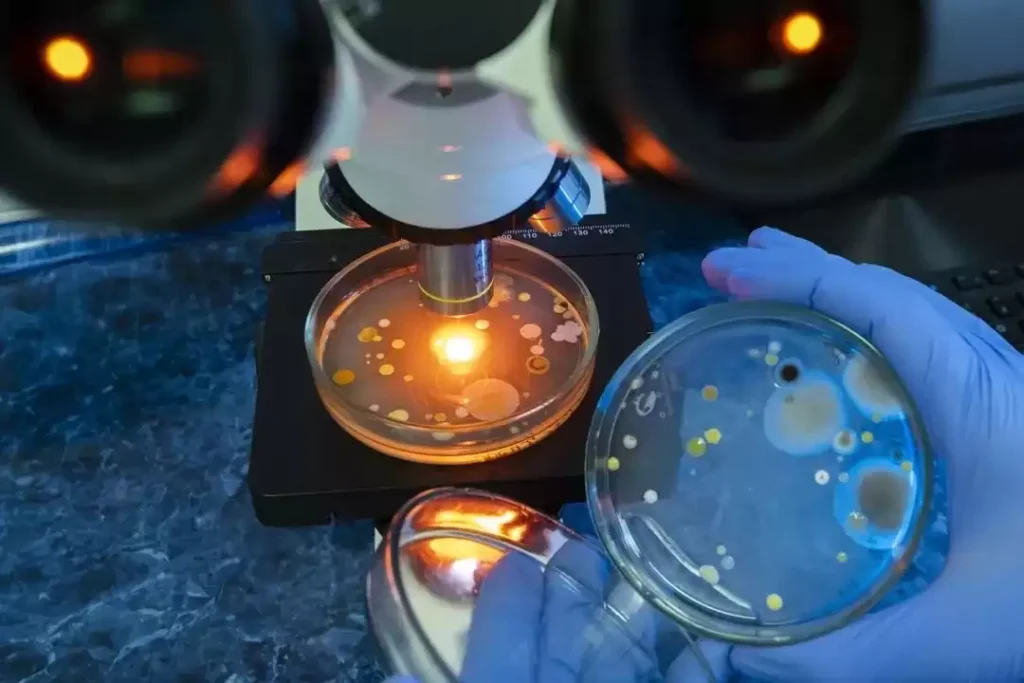
For example, penicillin-streptomycin is a mixture of penicillin and streptomycin that is widely used in mammalian cell culture media to prevent bacterial contamination.
◆G-418 solution (geneticin)
G-418 (Geneticin) is an aminoglycoside antibiotic. In molecular genetic experiments, it is the most commonly used resistance screening reagent for stable transfection. G-418 can interfere with the function of 80S ribosomes and affect protein synthesis in eukaryotic cells. It is mainly used for the selection of mammalian, plant or yeast cells.
G-418 is toxic to bacteria, yeast, higher plants, mammalian cells, protozoa and worms. Its resistance gene is a dominant phenotype and is located on Tn601(903) and Tn5 transposons. The G-418 solution is filtered and sterilized, and the general working concentration ranges from 50 to 1000ug/ml. Different types of cells need to determine the optimal concentration based on experiments.
Plant cell screening range: 10-100μg/mL
Dictyostelium screening range: 10-100μg/mL
Yeast cell screening range: 500-1000μg/mL
Mammalian cell screening range: 200-2000μg/Ml
◆Hygromycin B
Hygromycin B is an aminoglycoside antibiotic isolated from Streptomyces hygroscopicus. By binding to the 30S ribosomal subunit, it induces misreading of the mRNA template and inhibits translocation, thereby preventing protein synthesis. Hygromycin B can kill bacteria, fungi and higher eukaryotic cells. It is mainly used to screen and maintain the culture of prokaryotic cells or eukaryotic cells (plant cells and mammalian cells) stably transfected with Hph vectors.
The working concentration of hygromycin B used to select stable transfected cell lines needs to vary depending on the cell type, culture medium, growth conditions and cell metabolic rate.
Common concentration of bacteria: 20-200μg/mL
Common concentration of fungi: 200-1000μg/mL
Common concentration for plant cells: 20-200μg/mL
Mammalian cell concentration: 50-1000μg/mL, the commonly used screening concentration is 200μg/mL, the optimal concentration needs to be determined by the killing curve
◆Blasticidin S (blasticidin) solution
Blasticidin S, also known as blasticidin S hydrochloride, is a nucleoside peptide antibiotic isolated from Streptomyces griseus. It specifically inhibits protein synthesis in prokaryotic and eukaryotic cells mainly by interfering with the formation of peptide bonds in ribosomes. Blasticidin S is used to select transfected cells carrying bsr or BSD genes.
Blasticidin S has a fast and potent mode of action, and the selection of positive clones can be completed within one week, and a very low antibiotic concentration can cause rapid cell death. Blasticidin S is a sterile solution dissolved in HEPES buffer, pH 7.5, with a concentration of 10 mg/mL. The commonly used concentrations for bacterial screening are 25-100 μg/mL, and the commonly used concentrations for mammalian cell screening are 1-50 μg/mL. It is recommended to determine the optimal concentration through the killing curve for initial experiments
◆Streptozotocin
Blasticidin S, also known as blasticidin S hydrochloride, is a nucleoside peptide antibiotic isolated from Streptomyces griseus. It specifically inhibits protein synthesis in prokaryotic and eukaryotic cells mainly by interfering with the formation of peptide bonds in ribosomes. Blasticidin S is used to select transfected cells carrying bsr or BSD genes.
Blasticidin S has a fast and potent mode of action, and the selection of positive clones can be completed within one week, and a very low antibiotic concentration can cause rapid cell death. Blasticidin S is a sterile solution dissolved in HEPES buffer, pH 7.5, with a concentration of 10 mg/mL. The commonly used concentrations for bacterial screening are 25-100 μg/mL, and the commonly used concentrations for mammalian cell screening are 1-50 μg/mL. It is recommended to determine the optimal concentration through the killing curve for initial experiments.
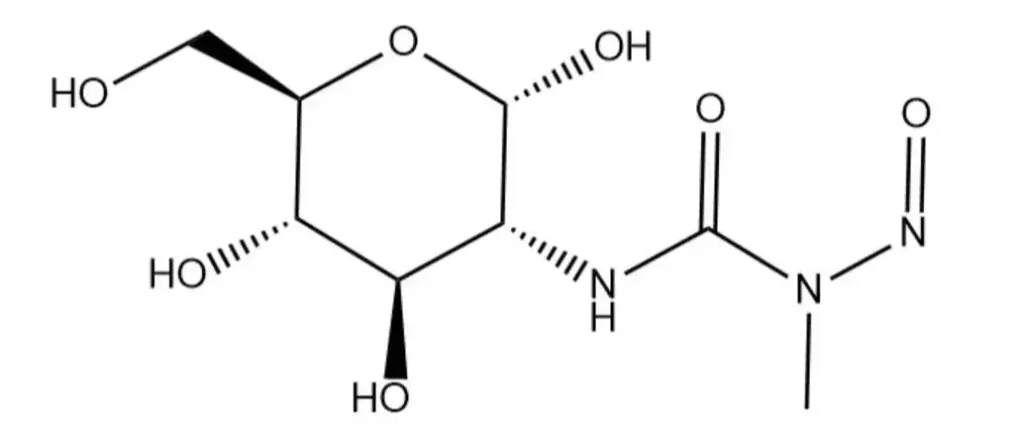
It also has the effect of inducing diabetes. The drug has a highly selective toxic effect on the pancreatic beta cells of animals. It has been widely used in the construction of diabetic animal models because of its simple operation, fast molding, and good model stability.
◆Vancomycin hydrochloride
Vancomycin hydrochloride is a glycopeptide antibiotic that blocks bacterial cell wall biosynthesis at the level of peptidoglycan biosynthesis. It is a narrow-spectrum antibiotic that is only effective against Gram-positive bacteria; it inhibits susceptible bacteria. Acts on the second stage of cell wall synthesis, can also change the permeability of the cell membrane and selectively inhibit ribonucleic acid synthesis.
◆Wortmannin
Wortmannin has no obvious antibacterial effect, but has strong antifungal activity. It is a potent, irreversible, selective PI3K inhibitor. It can also inhibit the formation of autophagosomes and effectively inhibit DNA-PK/ATM and Polo-like kinase 1 (PLK1).
By inhibiting the PI3K/Akt signaling pathway, Wortmannin can improve the apoptosis effect induced by radiation or serum-depleted culture, and can also prevent the anti-apoptotic effect of cytokines. Wortmannin’s inhibition of PI3K also prevents many of the short-term metabolic effects caused by insulin receptor activation.
◆Bleomycin sulfate
Bleomycin Sulfate is a water-soluble alkaline glycopeptide antibiotic. It mainly inhibits the incorporation of thymidine into DNA, combines with DNA to destroy and decompose it, and acts on the S phase of the proliferating cell cycle. It is a DNA synthesis inhibitor with potent anti-tumor activity. Can be used for resistance screening and inducing pulmonary fibrosis models.
◆Puromycin dihydrochloride
Puromycin is an aminoglycoside antibiotic that can effectively inhibit the growth of Gram-positive bacteria, as well as the growth of protists, algae, mammals and insect cells. It can generally kill 99% of cells within 2 days.
Its mechanism of action is: Puromycin is a structural analog of the 3′ end of the aminoacyl-tRNA molecule, which can bind to the A site of the ribosome and be incorporated into the extended peptide chain, resulting in the permanent termination of peptide chain synthesis, thereby preventing Protein synthesis. Puromycin also has antitumor activity. As a protein synthesis inhibitor, it is used to study the transcriptional regulatory mechanism that controls the sequential and coordinated expression of genes in cell differentiation.
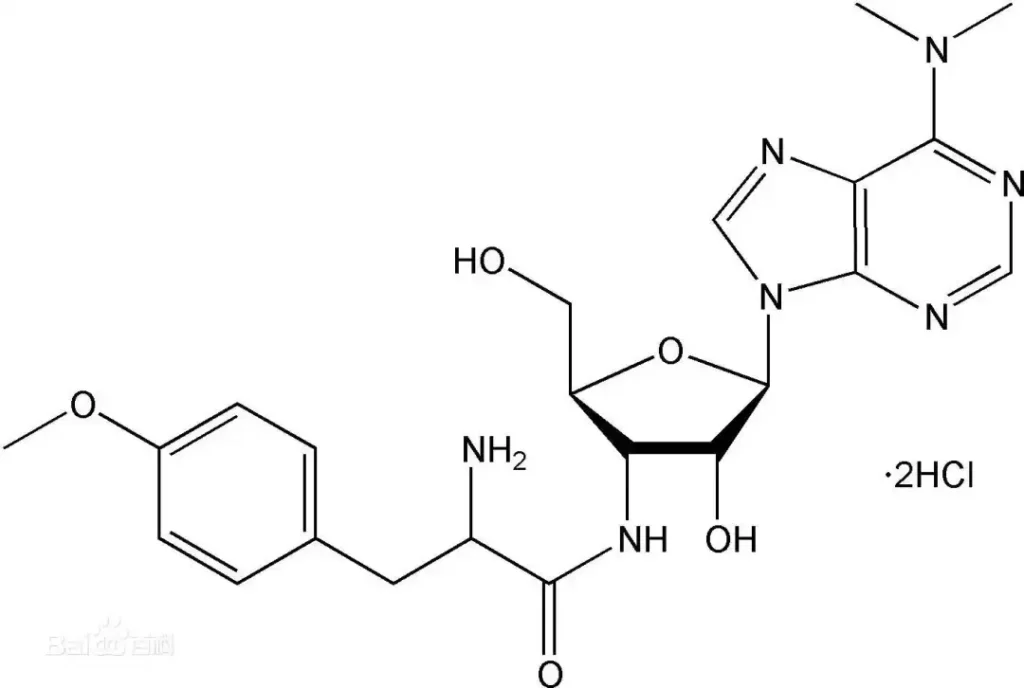
In general, the recommended working solution concentration for mammalian cells is 1-10 μg/ml, and the optimal concentration is determined using a host cell killing experiment (killing curve); for E. coli LB agar medium screening sensitive transformation experiments, the recommended working solution concentration is is 100-125μg/ml. The use of puromycin to select E. coli positive transformants not only requires precise pH adjustment, but is also affected by the state of the host cell itself.