
The comprehensiveness and accuracy of biological fermentation process parameters can determine the synthesis level of new biological products to a certain extent. Since the reaction mechanism of microbial growth and reproduction is very complex, real-time monitoring of key indicators of bioreactors is very important for the control of biological fermentation processes. Currently, due to the lack of real-time sensing technology and detection methods for some complex biological processes, many important parameters cannot be realized online. monitor.
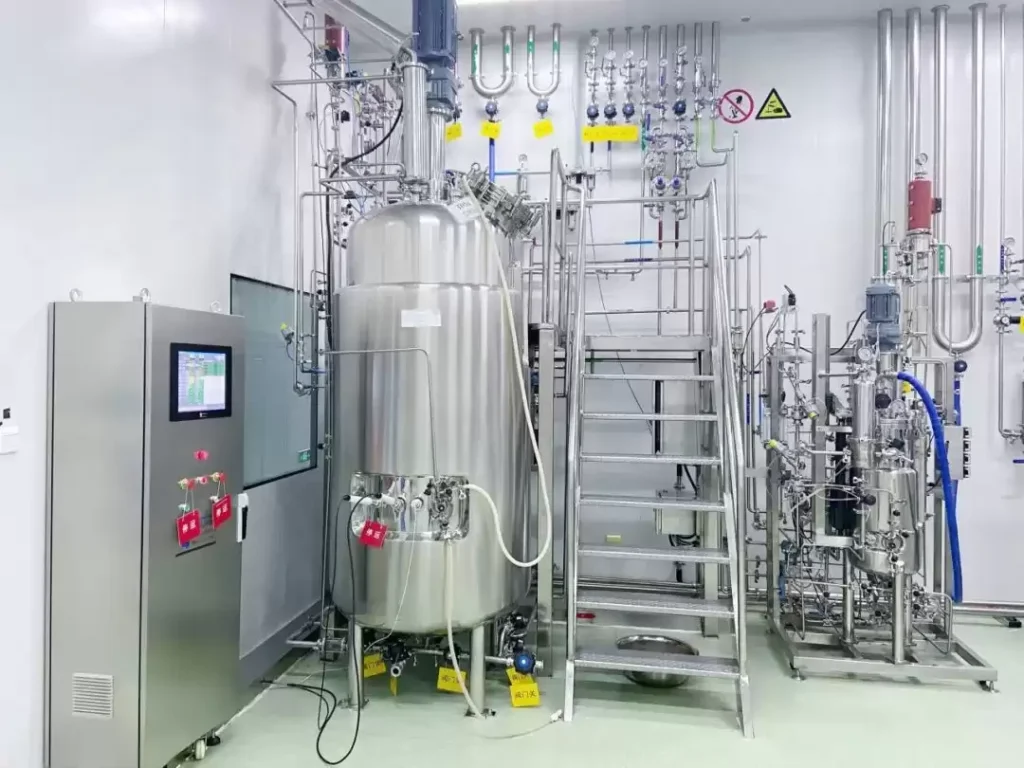
◆Research progress in fermentation process sensing technology
❶Fluid Dynamics Sensing
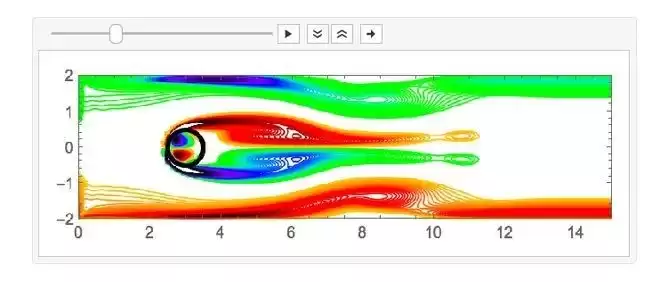
During fermentation, hydrodynamic parameters are crucial for the efficiency and yield of biological reactions. Advanced sensing technology can monitor liquid flow, gas-liquid oxygenation and mixing effects in the fermentation tank in real time. Using technologies such as laser Doppler velocimeter, piezoelectric sensors and capacitive sensors, the liquid velocity, gas droplet size and bubble distribution in the fermentation tank can be measured and analyzed in real time to optimize reactor design and operating conditions.
❷Reactant concentration sensing
In recent years, the development of wireless sensing technology, nanomaterials and chemical sensors has made reactant concentration sensing more accurate and convenient. Based on microfluidic technology and optical fiber sensor arrays, WU et al. use ion-selective electrodes and optical sensors to monitor the concentration changes of key substances in fermenters in real time to achieve precise control and optimization.
❸cell biosensing
With the development of synthetic biology and genetic engineering, by modifying microorganisms or cell engineering strains so that they can sense key parameters and produce specific output signals, this biosensing technology can directly realize the monitoring and control of biological reactions during the fermentation process. control. Engineered strains can be designed to sense environmental parameters such as oxygen concentration, temperature, pH, light energy, etc., and produce target products through specific biosynthetic pathways.
The development and application of advanced sensing technologies in fermentation processes provide important means to increase yields, optimize product quality, and improve energy efficiency. In the future, we can look forward to the development and application of more advanced sensing technologies, contributing more possibilities to the intelligent and sustainable development of the fermentation process.
In addition, hard sensors in bioreactors will have detection errors after long-term use. With the development of artificial intelligence, soft sensors have been gradually used in various biological processes. Utilize the standardization of heterogeneous and massive data of biological processes to achieve data cleaning, feature extraction, parameter correlation analysis, and establish a standardized dynamic database of biological processes; implement cloud computing technology of biological processes based on massive standardized data of biological processes, and develop soft measurement of biological processes Instrumentation, fault diagnosis, precise intelligent control and other key technologies.
◆Fermentation process sensing equipment
❶Exhaust gas spectrometer and exhaust gas analyzer
The exhaust gas spectrometer can monitor various gases emitted during the fermentation process online in real time, including N2, O2, CO2, etc. The analysis results of these components are of vital significance for understanding and mastering the metabolic activity of cells during the fermentation process. The main difference between fermentation tail gas analyzer and tail gas spectrometer is the detection accuracy. According to the accuracy requirements, it can be applied to different fermentation processes.
❷live cell sensor
Living cell sensors mainly work based on the measurement principle of dielectric constant. During the detection process, each living cell can be regarded as a capacitor. By analyzing the polarization phenomenon within the cell, the physiological status and changes of the cell can be understood.
❸Machine Vision Foam Sensor
Machine learning and vision technology have huge application value in the field of biological sensing. Using machine learning systems for image processing can realize real-time monitoring of biological processes. AUSTERJOST et al. used a new low-cost, flexible and reliable foam sensor and applied it to the biological fermentation process. It can effectively detect foam and control the precise addition of defoaming agent. Based on machine learning, different types of foam can be distinguished through training and then analyzed. Different stages of the fermentation process.