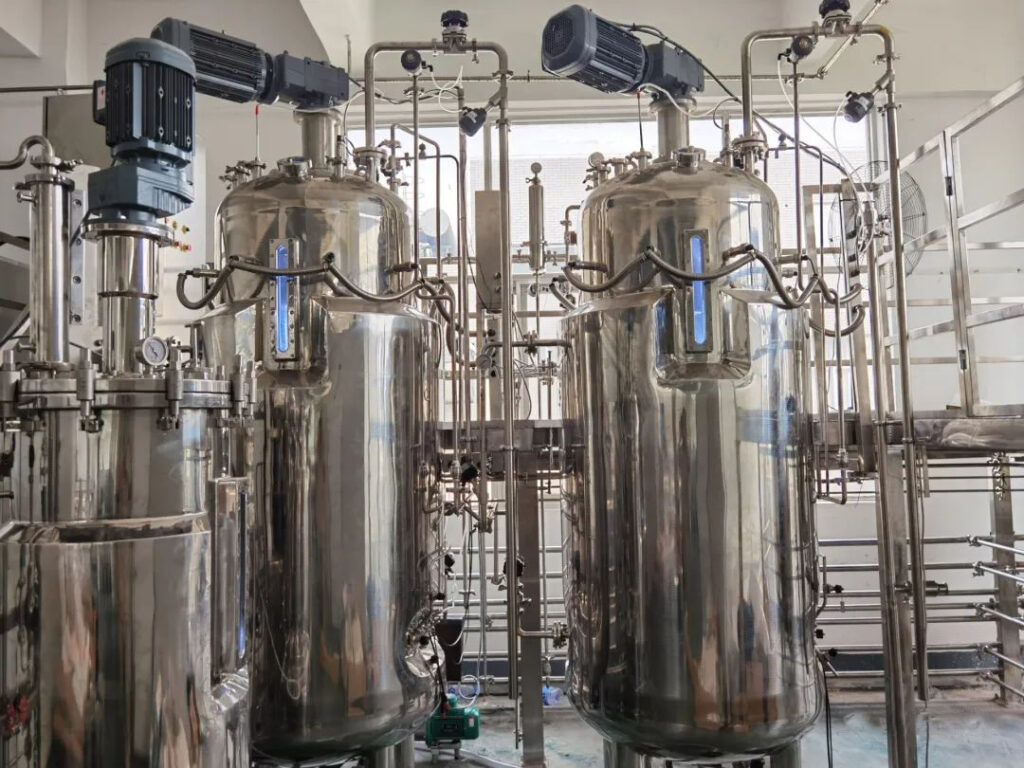
Microalgae can efficiently use light energy, carbon dioxide and inorganic salts to synthesize proteins, fats and a variety of high-value-added bioactive substances, and can be cultured to produce healthy foods, food additives, animal feed, biofertilizers and other natural products.
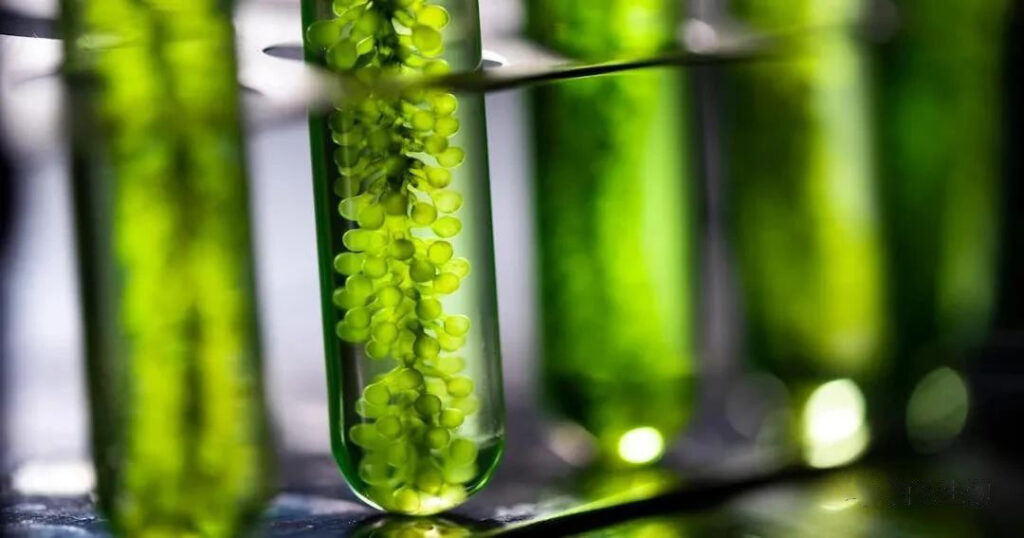
The way microalgae grow determines the importance of light in the reactor. Most microalgae are cultured in photobioreactors, except for some microalgae that are fully autotrophic and can be grown without light (in which case the reactor can be a conventional microbial fermenter).
One of the keys to photobioreactor design and construction is to provide a high light surface area to volume ratio, with the aim of improving light transmission and light energy utilization by algal cells.
Another key to the design is to choose a suitable circulation device to reduce the damage of shear force to algal cells; in addition, the dissolution of carbon dioxide and gas-liquid transfer, the gas transfer efficiency such as the accumulation and timely discharge of dissolved oxygen during photosynthetic oxygen release and the choice of light source quality and form will have a great impact on the efficient cultivation of microalgae in photobioreactors.
At present, there are two main types of microalgae culture, open type large pool culture and closed type bioreactor culture.
The most prominent feature is simple construction, low cost and easy operation, but the open culture has disadvantages such as easy pollution and unstable culture conditions.
The closed reactor is similar to the traditional bioreactor for microbial fermentation in many aspects except that it can collect light source, and it has become the future development direction because of stable culture conditions, aseptic operation and easy high-density culture.
At present, there are various forms of confined reactors, such as fermenter type, tube type and plate type photobioreactors.