
Air-lift bioreactors have become increasingly popular and important in the field of bioprocessing. From pharmaceuticals to biofuels, these systems play a vital role in the efficient and sustainable manufacturing of biological products. , we will explore the many benefits of using air lift fermenter bioreactors, their scientific principles, and how they are key to commercial-scale biomanufacturing.
5 Benefits of Using Air-lift Bioreactors for Efficient Bioprocessing
1. High Oxygen Transfer Rates: Oxygen is a crucial factor for the growth of microorganisms in bioprocesses. Air-lift bioreactors have been shown to have higher oxygen transfer rates compared to traditional bioreactors. This leads to faster cell growth and higher bioproduction yields.
2. Reduced Shear Stress: Shear stress occurs when there is a difference in flow rates within a bioreactor, which can damage or destroy sensitive cells. Air-lift bioreactors have been designed to reduce shear stress and promote gentle mixing, reducing the risk of cell damage and increasing cell viability.
3. Scalability: Air-lift bioreactors are easily scalable, making it possible to produce large quantities of product efficiently. This makes them ideal for commercial-scale biomanufacturing.
4. Reduced Cost: Air-lift bioreactors require less energy and fewer resources compared to other bioreactor systems. This means lower overall costs for manufacturing, making them an attractive option for companies looking to improve their bottom line.
5. Improved Product Quality: Air-lift bioreactors provide a more controlled and consistent environment for cell growth. This, combined with reduced shear stress, leads to improved cell viability and product quality.
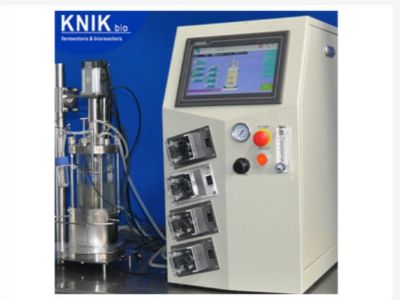
Why Air-lift Bioreactors are the Key to Successful Commercial-scale Bio manufacturing?
Air-lift bioreactors are key to successful commercial-scale biomanufacturing for several reasons. Firstly, they are easily scalable, providing the ability to produce large quantities of product efficiently. This is essential for commercial manufacturing, where mass production is required to meet demand.
Secondly, airlift bioreactor promote enhanced oxygen transfer rates, reducing the time required for cell growth. This leads to faster bioproduction yields, which is also essential when working at commercial-scale.
Finally, air-lift bioreactors reduce the risk of cell damage and promote gentle mixing, leading to improved cell viability and product quality. This is essential when manufacturing high-quality products for the pharmaceutical and biotech industries.
The Science Behind Air-lift Bioreactors and How They Improve Bio production
Air-lift bioreactors are designed based on the principles of fluid dynamics. The system utilizes air bubbles to circulate the liquid media and promote mixing. As the bubbles rise through the reactor, they create a flow of liquid. This in turn promotes mixing and oxygen transfer within the bioreactor.
The mixing caused by the air bubbles leads to a homogeneous environment for cell growth, reducing the risk of dead zones within the reactor. This allows for improved process control and consistent product quality.
A Comparative Analysis
Compared to traditional bioreactor systems, air-lift bioreactors have several advantages. For example, they require less energy to operate, resulting in lower costs for manufacturing. Additionally, they are easily scalable, making them ideal for commercial manufacturing.
Comparing air-lift bioreactors to stirred-tank bioreactors, studies have shown that air-lift bioreactors lead to higher specific growth rates and oxygen transfer rates. This in turn leads to improved cell viability and bioproduction yields.
The Sustainable Choice for Bioprocessing and Environmental Impact Reduction
As the world begins to focus on sustainability and the impact of manufacturing on the environment, air-lift bioreactors have emerged as a sustainable solution for bioprocessing. They require less energy to operate and promote consistent product quality, reducing the need for excess production runs and waste.
In addition, air-lift bioreactors can be used for a variety of applications, from pharmaceuticals to biofuels. This versatility makes them an attractive option for companies looking to reduce their environmental impact while still meeting their manufacturing demands.
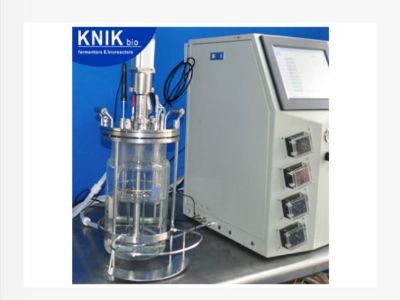
In conclusion, air lift bioreactors offer many benefits when it comes to bioprocessing. From improved cell viability and bioproduction yields, to scalability and reduced environmental impact, they are an essential tool for successful commercial-scale biomanufacturing. By utilizing the scientific principles of fluid dynamics, air-lift bioreactors offer control and consistency, reducing the risk of product variability and ensuring high-quality results. Overall, air-lift bioreactors are a proven solution for efficient and sustainable bioprocessing.