
The Best Photobioreactor Designs for Algae Growth
Algae are an excellent source of renewable energy that can be used in many industries, including food, pharmaceuticals, cosmetics, and biofuels. Photobioreactors are the essential equipment for algal cultivation and have a significant impact on the production process’s efficiency and yield. The design and functionality of a photobioreactor play a crucial role in the growth and survival of the algae.
The best photobioreactor design for algae growth should provide optimal conditions for photosynthesis, cell growth, and harvesting. The reactor should allow the efficient use of light energy, high concentration of CO2, and controlled temperature, pH, and agitation. The light source should be evenly distributed throughout the culture medium and not overheat the system. The reactor should also have a scalable design that allows for easy expansion and operation.
Optimizing Photobioreactors for High Yield Microalgae Production
Microalgae are a promising source of biofuels, biomaterials, and food, and their production requires the optimization of photobioreactors for high yield. Photobioreactor optimization can be achieved through various measures, including the selection of the right strain, controlling the culture parameters, and improving the reactor’s design.
The optimal microalgae strain should have a high growth rate, biomass, and lipid content. Culture parameters that affect microalgae growth must be optimized, including temperature, light intensity, CO2 concentration, agitation, and nutrient composition. Photobioreactor design optimization includes the design of the light source, plastic material, mixing efficiency, shape, and size.
Choosing the Right Photobioreactor Type for Your Algae Farm
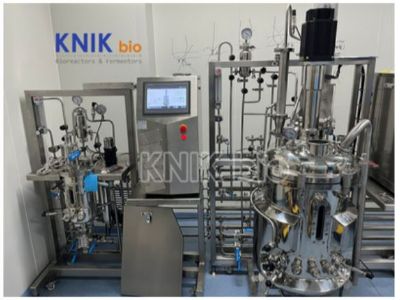
An algae farm requires a suitable photobioreactor algae type that can produce high yields and satisfy the farm’s needs. Photobioreactor types vary in size, shape, and manufacturing material. Choosing the right photobioreactor type depends on the production scale, cost, maintenance, and operational needs.
The most common photobioreactor types are open pond cultivation, tubular systems, flat panel reactors, inclined plate columns, and airlift systems. The open pond system is the most cost-effective option but lacks control over environmental factors and requires larger land areas. The tubular systems have a high efficiency and uniform lighting, but can be expensive, restricted in volume, and hard to clean. Flat-panel reactors have a large surface area, high illumination, but may block light and require frequent dilution. The inclined plate photobioreactor has a high growth rate and can handle concentrated cultures but has limited scalability. The airlift photobioreactor is efficient and has low shear stress, but can be costly and requires proper gas exchange.
Comparing Different Photobioreactor Technologies for Algae Cultivation
Photobioreactor technologies for algae cultivation have advanced significantly in recent years, leading to increased production efficiency and reduced operational costs. Different photobioreactor technologies vary in their design, materials, and performance.
In comparing photobioreactor technologies, we should consider the energy efficiency, maximum yield, maintenance, and cost per unit of production. The most commonly used photobioreactor technologies include flat panel, tubular, and airlift systems. Flat panel reactors have a higher biomass concentration and higher yield per unit area than tubular or airlift reactors. The airlift reactor consumes less energy than the flat panel or tubular systems, but requires more maintenance and has lower culture density. Tubular systems offer high yields, ease of operation, and ease of cleaning.
Factors to Consider When Selecting the Ideal Photobioreactor for Your Algae-Based Products
Selecting the ideal photobioreactor for your algae-based products depends on several factors, including the scale of production, the cost of installation and maintenance, the required yield and quality, and the type of product.
For large scale production, the photobioreactor type that offers high yield, scalability, and ease of operation should be chosen. For high quality products, a photobioreactor that can control the environmental factors and offer optimal growth conditions should be selected. The cost of installation and maintenance should be reasonable and within the production budget. In summary, the ideal photobioreactor should be able to meet the production scale, quality, yield, and environmental conditions required for your specific algae-based product.
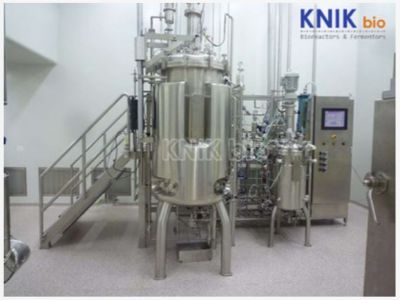
In conclusion, algae photobioreactor play a vital role in the cultivation, harvesting, and processing of algae. Choosing the right photobioreactor type depends on several factors, including production scale, cost-effectiveness, maintenance, and environmental conditions. The optimal photobioreactor design should provide high yields, efficient use of light energy, scalability, and ease of operation. Researchers, scientists, and investors are continuously improving and developing photobioreactor technologies for algae production to meet the growing demand for renewable and sustainable energy sources.