
Top Organisms that use Aerobic Fermentation
Aerobic fermentation is a metabolic process that occurs in the presence of oxygen. This process provides a source of energy to various organisms, including bacteria, fungi, plants, and animals. Some of the top organisms that use KNIK aerobic fermentation include yeast, bacteria, and muscle cells.
Yeast is a single-celled fungus that is used in various industries to produce alcoholic beverages and bread. Yeast cells can use aerobic fermentation to produce energy from sugars in the presence of oxygen. This process is known as the Crabtree effect, where the yeast cells switch from respiration to fermentation under high oxygen conditions.
Bacteria are another group of organisms that use aerobic fermentation. These microorganisms play a crucial role in the cycling of nutrients in ecosystems. Some bacteria, such as Bacillus and Pseudomonas, use aerobic fermentation to produce energy from organic matter in oxygen-rich environments.
Muscle cells in animals also use aerobic fermentation to produce energy during physical activity. This process involves the breakdown of glucose to produce ATP molecules, which provide energy to the muscle cells. The muscles require a constant supply of oxygen to produce energy through aerobic fermentation.
The Science behind Aerobic Fermentation in Organisms
Aerobic fermentation involves the breakdown of glucose into energy in the presence of oxygen. The process is similar to aerobic respiration, but it occurs in the absence of the electron transport chain. Instead, the production of ATP during aerobic fermentation occurs through substrate-level phosphorylation.
The process of aerobic fermentation involves the conversion of glucose to pyruvate through glycolysis. The pyruvate molecules are then converted into acetyl-CoA, which enters the Krebs cycle to produce ATP molecules. The process involves the release of carbon dioxide and the production of NADH and FADH2 molecules, which drive ATP synthesis.
The process of aerobic fermentation is different from anaerobic fermentation, where glucose is broken down without the presence of oxygen. Anaerobic fermentation, such as lactic acid fermentation, occurs in cells that do not have access to oxygen, such as those in extreme conditions or during physical activity.
How Aerobic Fermentation is Essential for Life
Aerobic fermentation is a vital process for the survival of many organisms. This metabolic process provides a source of energy to the cells, which is required for various biological processes. Adenosine triphosphate (ATP), the energy currency of cells, is produced during aerobic fermentation.
The process of aerobic fermentation is crucial for the survival of plants and animals. In plants, aerobic fermentation occurs in the mitochondria, which provides energy for growth and development. In animals, aerobic fermentation occurs in muscle cells, which is essential for movement and physical activity.
Aerobic fermentation is also essential for the survival of microorganisms such as bacteria and fungi. These organisms use this process to generate energy from organic matter in the environment, which is important for nutrient recycling and ecosystem functioning.
The Surprising Truth
The surprising truth about aerobic fermentation is that it is not limited to organisms that require oxygen for survival. Recent studies have shown that some anaerobic organisms, such as Clostridium perfringens and Pseudomonas aeruginosa, can use aerobic fermentation in the presence of oxygen.
This discovery challenges the traditional view that oxygen is an absolute requirement for aerobic fermentation. It suggests that there may be alternative mechanisms for ATP synthesis that have not yet been fully explored.
Applications and Advances
Aerobic fermentation has several applications in different fields, such as medicine, agriculture, and industry. For instance, in medicine, aerobic fermentation can be used to study metabolic disorders such as diabetes and obesity. In agriculture, aerobic fermentation can be used to improve the production of crops by providing nutrients to the soil.
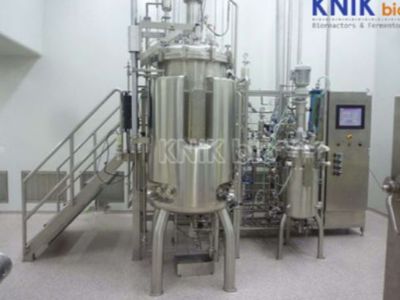
In industry, aerobic fermentation is used in the production of biofuels and organic acids. For instance, the production of ethanol for fuel is achieved through aerobic fermentation of corn or sugarcane. The process involves the conversion of sugars to ethanol by yeast cells in the presence of oxygen.
Moreover, advances in biotechnology have allowed researchers to manipulate the metabolic pathways of organisms to enhance aerobic fermentation. Techniques such as metabolic engineering and synthetic biology have been used to design microorganisms with specific metabolic profiles to produce desired products.
In conclusion, anaerobic respiration fermentation is a vital process for the survival and functioning of various organisms. Despite being traditionally associated with oxygen-dependent organisms, recent studies have shown that some anaerobic organisms also use this process. The applications of aerobic fermentation in various fields highlight its importance in improving human life and creating sustainable processes.