
Understanding the Basics of Reactors: Batch vs Continuous
In the world of chemical processing, reactors are integral to converting raw materials into useful end products. Reactors can either operate in a KNIK batch or continuous mode, depending on the requirements of the process. The choice between these two modes can have a significant impact on the efficiency, quality, and cost of the process.
Benefits of a Continuous Reactor System over a Batch Reactor
Continuous reactors operate continuously, without the need for intermittent loading and unloading of materials. This results in a more efficient process as the reactor can run without interruption, leading to higher throughput and improved product quality. The batch bioreactor, on the other hand, require periods of downtime for loading and unloading, causing a drop in productivity. A continuous reactor is also easier to control, as the continuous flow of materials allows for better regulation of temperature, pressure, and other critical process parameters. This, in turn, enhances the overall quality of the product and reduces the risk of process upsets.
Another benefit of continuous reactors is that they require less space than batch reactors. As continuous reactors operate continuously, they can be designed with smaller footprints, resulting in a more compact and efficient process.
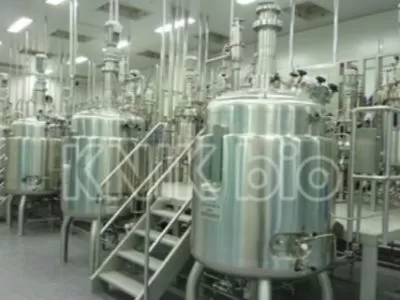
Comparing the Operating Costs of Batch and Continuous Reactors
Operating costs are a key consideration when deciding between batch and continuous reactors. Continuous reactors are generally more expensive to install and require more capital investment at the outset. However, in the long run, continuous reactors tend to have lower operating costs. This is because they have higher process efficiencies, which result in lower energy usage and raw material wastage. They also tend to have lower labor costs, as they require less manual intervention than batch reactors.
Analyzing the Impact of Reaction Time on Batch and Continuous Processes
The length of time it takes to complete a reaction or process can vary significantly between batch stirred tank reactor and continuous reactors. Batch reactors are typically slower, as they require periodic loading and unloading and tend to have less efficient heat and mass transfer. This can result in longer reaction times and a greater risk of byproducts or undesirable side reactions. Continuous reactors, on the other hand, are designed for faster reaction times, as the materials flow continuously through the reactor without interruption. This reduces the time it takes to complete a reaction and minimizes the risk of unwanted side reactions.
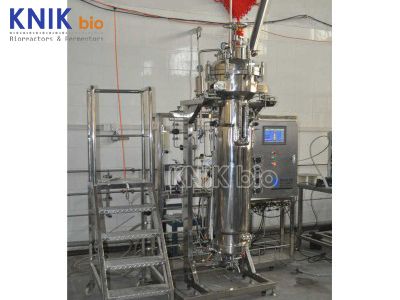
Batch or Continuous?
The choice between batch and continuous reactors ultimately depends on the specific requirements of the process. Batch reactors are well-suited to processes that require frequent changes in product or process conditions, as they allow for greater control over individual batches. They are also ideal for smaller production volumes or processes that are less standardized. On the other hand, continuous reactors are more efficient, have lower operating costs, and are better suited to those processes that require higher volumes and standardized conditions.
In conclusion, whether to use a batch or continuous bioreactor depends on a variety of factors. However, if overall process efficiency, high production volumes, and standardized conditions are the main priorities, a continuous reactor is the best choice. On the other hand, if greater control over the individual batches and flexibility are more important, a batch reactor may be the best option.