
A mixing tank is simply an industrial vessel used in mixing various substances for any chemical processing or manufacturing needs. The equipment is basically versatile enough to handle whatever materials, no matter their viscosity, are put into them.
Exploring Its Versatility
Mixing tanks vary in size and shape because of different requirements from various industries. There are stationary tanks, some portable, and there are those mounted with wheels. For specific temperature requirement needs, one can have a heated or a cooled tank.
The versatility of the mixing tank is beyond its physical features. It can mix, blend, dissolve, homogenize, emulsify, and disperse materials. The equipment can be set to different modes of operation for various mixing results.

Things to Consider
In selecting a mixing tank, several things have to be considered. Probably the most critical factor is the viscosity of the materials to be mixed; higher viscosity materials require more powerful mixers with higher torque to mix them effectively. The size of the tank and the quantity of materials to be mixed must also be taken into consideration.
How Do Mixing Tanks Work? Detailed Explanation?
In a mixing tank, agitating material in the tank is done using an impeller. The impeller in a industrial mixing tank is normally positioned at the center, and the impeller itself causes turbulence within the material if it rotates. It mixes various materials together. The speed as well as the direction of such impellers may be varied in order to produce the result that is needed for some specific mixing task.
Top Industries That Use Mixing Tanks and How They Benefit from Them
Mixing tanks are used in the pharmaceutical industry to produce medications, vaccines, and other medical products. The equipment is used to mix and blend ingredients, as well as dissolve solids in a liquid. Pharmaceutical mixers have to meet high quality standards and regulations to ensure that the product is pure and safe.
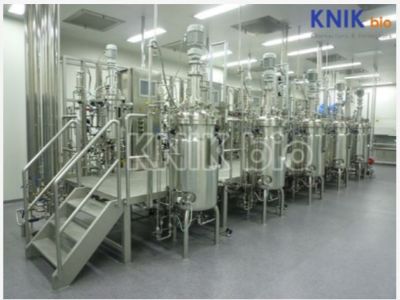
Cosmetic industry
The cosmetic industry also uses mixing tanks in manufacturing cosmetics, which include lotions, shampoos, and perfumes. The mixing equipment is utilized to blend oils, waxes, and water together.
Conclusion
A mixing tank is an essential apparatus for several industries, including pharmaceuticals, food and beverage, chemical, cosmetic, and wastewater treatment, among others. However, many considerations must be taken during the selection of a stirred tank bioreactor, like the viscosity of the material to be mixed, size of the tank, and shape and type of an impeller used.