
Astaxanthin is a lipophilic carotenoid known for its potent antioxidant activity, which is commercially important in feed, food and cosmetic industries.
Astaxanthin is a lipophilic carotenoid known for its potent antioxidant activity, which is commercially important in feed, food and cosmetic industries.
Although astaxanthin can be chemically synthesised, synthetic astaxanthin may contain toxic by-products, limiting its use in pharmaceuticals or functional foods. Natural astaxanthin can be extracted from algae, but the cultivation period of algae is relatively long compared to microorganisms.
With the development of synthetic biology and metabolic engineering, microbial fermentation has become a promising method for large-scale production of astaxanthin. This paper reviews the progress of astaxanthin biosynthesis, focusing on the natural host Xanthophyllomyces dendrohous as well as the heterologous hosts Yarrowia lipolytica and Saccharomyces cerevisiae for astaxanthin biosynthetic utilisation of astaxanthin biosynthesis. The future research prospects are also outlined
Astaxanthin: A Super Antioxidant
Astaxanthin’s antioxidant activity far exceeds that of other carotenoids and vitamin E, with potential therapeutic benefits for diabetes, cardiovascular disease and more. Currently, natural astaxanthin relies mainly on biological extraction, and chemically synthesised products are unable to meet the market demand for high purity.
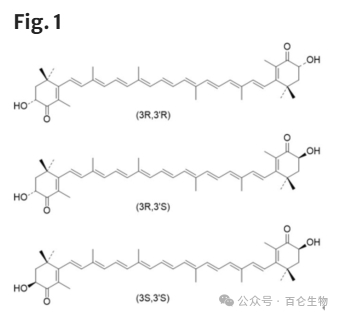
Red Fife Yeast: A Natural Factory for Astaxanthin
Red Fife yeast (X. dendrorhous) is capable of producing astaxanthin naturally, and its astaxanthin production has been significantly enhanced through genetic and metabolic engineering modifications.
Research focuses on strategies to enhance astaxanthin biosynthesis, including inducing mutations, maximising IPP carbon flux, and increasing β-carotene accumulation.
Metabolic engineering to modify hosts
With the development of synthetic biology, Escherichia coli, Saccharomyces cerevisiae and Saccharomyces desmoiselles have been modified as heterologous hosts for astaxanthin biosynthesis.
The astaxanthin production was enhanced by strategies such as promoting the supply of acetyl-CoA precursors, enhancing the mevalonate pathway, and rationally allocating carbon fluxes.
Strategies for enhanced astaxanthin biosynthesis by Red Fife yeasts
Induced mutation: traditional mutation breeding can obtain high yielding strains, but the period is long and random, genetic engineering directed modification is becoming mainstream.
Carbon flux maximisation for IPP: Increasing acetyl – CoA supply by promoting glycolysis, inhibiting TCA cycle, etc., or enhancing mevalonate synthesis pathway by multi-gene expression can promote astaxanthin formation.
Increasing β-carotene accumulation: overexpression of the crtE gene or increasing the copy number of crtYB can enhance astaxanthin production, but overexpression of the crtI gene shifts the metabolic flux to toluene synthesis, which makes adjustment of this gene challenging.
Increase the accumulation of astaxanthin biosynthesis module: crtR deficiency affects astaxanthin synthesis, up-regulation of crtE and crtR gene expression and regulation of related biosynthesis can increase the yield.
Optimisation of fermentation conditions: Adjustment of medium composition, control of culture conditions (e.g., temperature, pH, dissolved oxygen), and addition of stimulants (e.g., glutamate, H₂O₂, soybean oil, light stimulation, etc.) can promote astaxanthin accumulation.
Using Omics technology: metabolomics and comparative proteomics analyses provide support for metabolic engineering strategies to increase astaxanthin production.