
Here is what you should think about when purchasing a bioreactor. It’s not as straightforward as picking one and taking it home. You need to ensure it will be good for what you want to use it for. Discuss recommendations for selecting a bioreactor.
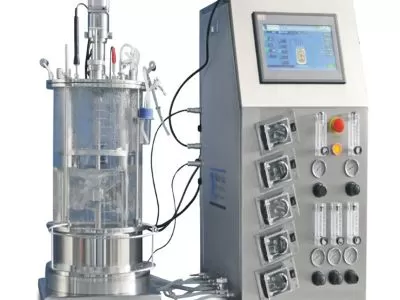
Ensure the bioreactor
First, ensure the bioreactor you’re eyeing is the right size for the amount of your product that you’re interested in creating. If you want to make a lot of something, you need a bigger bioreactor. If you’re not going to use that much, a smaller one will suffice. This matters, because you don’t want to waste money on a bioreactor that is too big or too small for your needs.
Good temperature of bioreactor
We want to make sure that the bioreactor has good temperature, pH and agitation controls,” he says. These are important things to do if you want your product to come out the way you envision. Your product might not be as good as you’d hoped if the controls aren’t accurate. So it’s important to find a bioreactor with these controls, and verify that they work well.
Bioreactor’s cleaning process
Another major issue is the simplicity of the bioreactor’s cleaning process. It’s very important to keep it clean to make sure your product is safe to use. If it’s difficult to clean, cleaning is likely not what you’ll be doing on a regular basis. And bacteria might start growing in your batch bioreactor, and spoil your product. So, you want to go for the bioreactor that is not only easy to clean but also to sterilize to ensure the whole system is always clean and safe.
Mixing capabilities of the bioreactor
You’ll also want to consider the mixing capabilities of the bioreactor. You want all the nutrients in your product to blend with each other. All of it has to be mixed properly or you might not end up with the product you’re hoping for. So make sure that the bioreactor can mix all that stuff up together homogeneously so that you can get the best product right?
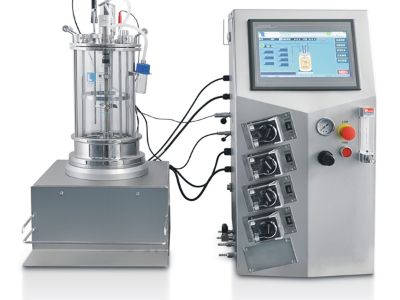
Finally
You’ll want to discuss the bioreactor compatibility with the cells you’ll be using in your research or production. Not all bioreactors are compatible with the same cell types. If you attempt to use the incorrect type of airlift bioreactor, your cells could fail to grow as they should, or they could die outright. So be sure the bioreactor you select is well suited to the cells you plan to work with.
There is a good deal to think about when it comes to purchasing a bioreactor. Ensure it’s the right size for your purpose, that it has good temperature and agitation controls, is easy to clean, has good mixing attributes and that it’s compatible with your cells. With these tips in the back of your mind, you can rest assured that you are selecting the right bioreactor for your research or production requirements. Remember to select KNIK for all of your bioreactor requirements.