
Preserving your bioreactor is crucial to help keep it functioning properly and continue delivering the desired output. Here are five things you need to know about how to take care of your bioreactor so that it operates smoothly.
Realizing the Importance of Regular Cleaning and Sanitization:
It is essential to maintain the cleanliness and sterilizations of your bioreactor in order to avoid the formation of harmful bacteria and harmful contaminants that will interfere with the culture. It’s also important to clean the bioreactor periodically to remove all of those residues and impurities that might clog things up and interfere with the bioreactor’s functioning. Wash the bioreactor clean with a mild detergent with warm water and rinse it very well before using it again. To sanitize the bioreactor, rinse thoroughly with water, followed by a water and bleach solution, then water, and allow to dry. By maintaining your bioreactor clean and sterilized, you can rest assured it operates properly and it provides quality all the time.
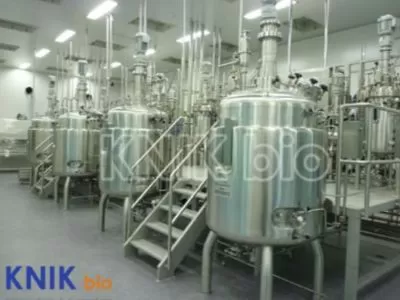
Operation pH and Temperature Control:
One critical parameter to monitor is pH balance, an indication of whether the cells or organisms you are cultivating will develop and flourish inside your bioreactor. pH is really a measure of how acidic, or basic, the environment is and it is important to have this maintained within the correct range for the organisms we are growing. In addition, temperature is also an important factor that influences cell growth and metabolism and should thus be strictly controlled. Checl the pH periodically with a pH meter and adjust with the appropriate solution. Similarly, regulate the bioreactor temperature and allow it to reach the optimal value. Through maintaining close control of the pH levels and temperature, you will be able to set the perfect environment to succeed in the growing process.
How To Mix and Oxygenate Your Bioreactor the Right Way for the Best Growth:
Agitation and aeration are critical to keep the bugs in your batch bioreactor fed and breathing oxygen. In this way, the contents of the bioreactor are evenly mixed by agitating the mixture to thereby allow all cells or organisms to receive a substantially constant amount of nutrients and oxygen. Aeration refers to the aerating of the bioreactor with air so that the organisms will have oxygen to respire. Correctly agitating and aerating bioreactor contributes to increase the yield of cultivation and vigour. Stir the bioreactor with a mechanical stirrer or stir plate/magnetic stirrer and aerate the solution with an air pump and a diffuser. You will be able to maximise the productivity and ensure the best results of your cultivation procedure if you have a well-agitated and aerated bioreactor.
Act on the Nutrient Levels and Adjust:
For the growth and function of cells or organisms in the bioreactor, nutrients are the key. Therefore, knowing and controlling the nutrient values are crucial. Any organism will call on particular nutrients to a varied extent in its quest for sustainability and so it is imperative to customize your nutrient solution to your specific growing needs. Assess the nutrient concentrations periodically in the bioreactor and adjust if necessary so that the organisms are receiving a sufficient volume of essential nutrients. A nutrient analyser or test kit will help you establish these levels of nutrients and enable you to make educated decisions on whether or not to add more or less of a particular element. You can encourage healthy growth and grow in the best way possible by controlling the nutrients levels in your bioreactor.
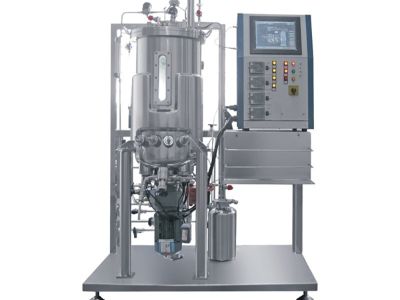
Checking Common Symptons and When to Ask for Service:
However, in spite your good intentions, you may need to troubleshoot your commercial bioreactor machine. Opaque systems often have issues with leaks, blockages, pH/t, issues that can affect the overall performance of the bioreactor and the quality of the results. If you’re hands-on and are having issues, see if you can diagnose what is wrong. Check your user manual or manufacturer’s instructions for troubleshooting tips and fixes and adjust or repair as needed. Sometimes, however, complex issues or something that you are unable to handle may be on the bike and may require the assistance of a professional. If you can’t solve the problem on your own, feel free to contact the manufacturer or a professional for help. You’ll be able to troubleshoot and fix any problems that crop up and keep your bioreactor chugging along and giving you winning results.
Summary:
In short, clean your bioreactor not just to keep it churning out the results you need for your chemistry, but for the success of the bioprocess itself. By grasping the significance of regular cleaning and sanitization, pH levels and temperature monitoring; good mixing and aerating the bioreactor; good nutrient level and addressing common troubleshooting situations, you are able to maintain your bioreactor in tip-top shape and achieve the desired results. “Please make sure to follow all KNIK guidelines and get professional help when needed with any situation. With good care and maintenance your bioreactor will still perform well for growing and and providing quality end products.