
Fermentation engineering is an important part of modern bioengineering, which can use microbial means to produce products that meet the needs of human life. In food production and processing, fermentation technology plays an irreplaceable role. After many updates, it has effectively promoted the diversified development of human diet. In the context of rapid social development, people’s demand for food is increasing day by day. In-depth research on fermentation technology can not only ensure people’s dietary safety, but also promote the stable development of food production enterprises. With the increasing popularity of fermentation technology, food production has achieved qualitative breakthroughs. The two promote each other and bring extremely broad development prospects to fermentation technology. Paying attention to fermentation technology is a necessary prerequisite for promoting the sustainable development of my country’s food industry.
◆Overview of fermentation engineering
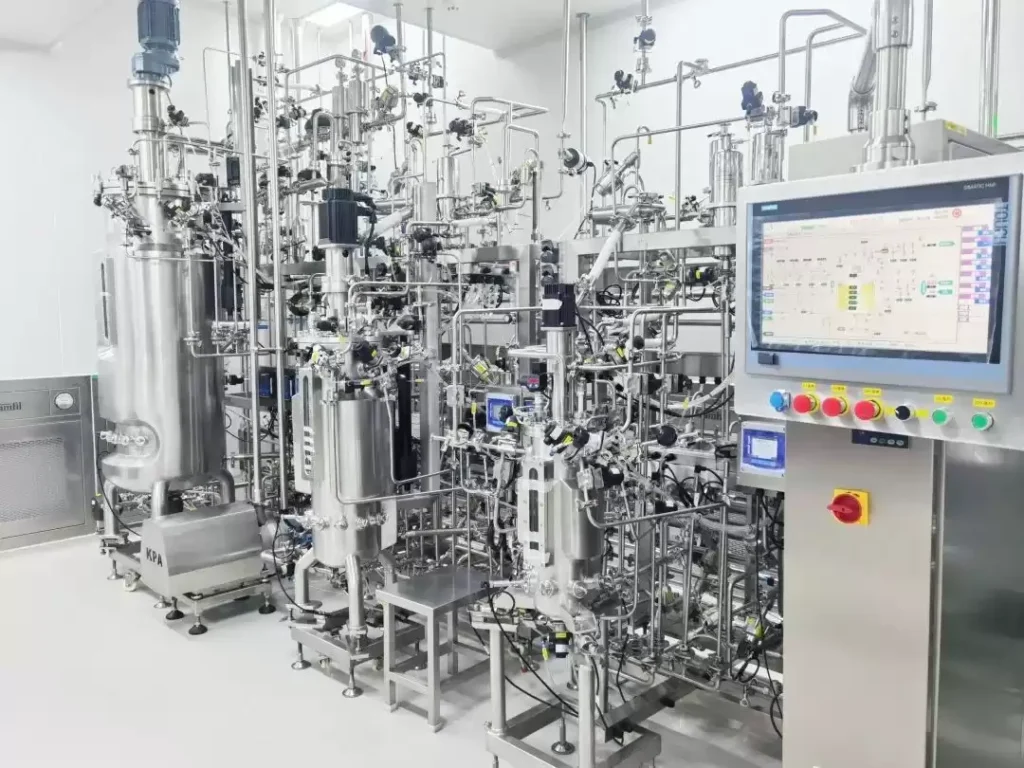
Fermentation engineering is a general term for fermentation technology and an integrated expression of fermentation technology. Compared with traditional fermentation technology, fermentation engineering using biotechnology has brought new opportunities to food production. With the strong support of biotechnology, traditional fermentation technology has developed in a technological direction and formed a systematic fermentation project. Fermentation engineering is a new technology that uses modern engineering techniques to utilize the specific functions of microorganisms to produce useful products for humans, or to directly apply microorganisms to industrial production processes. Fermentation engineering includes strain selection, culture medium preparation, sterilization, expanded culture and inoculation, fermentation process and product separation and purification. Fermentation engineering is closely related to food production. With the development of the food industry, the types and quantities of fermented foods have increased.
◆Application of fermentation engineering technology in food production
❶Biological fermentation
Biological fermentation technology mainly extracts relevant food additives directly from plants. Compared with biological fermentation, the cost of chemical synthesis to produce food additives is lower, but the synthesis rate is poor and the cycle is long, which is not conducive to the industrial production of food additives. , at the same time, chemicals can cause certain damage to the human body and are not suitable for long-term consumption, otherwise they may easily lead to cancer and other diseases. Therefore, the use of fermentation technology has become an inevitable trend in the development of the food industry. For example, fermentation technology can produce amino acids. With the assistance of genetic and cell engineering, the use of fermentation technology to produce amino acids can reduce production costs and increase food production output while ensuring people’s health. In the process of selecting vitamins, microorganisms such as yeast can be used for fermentation processing, and Flavobacterium can be used for cultivation. After the bacteria are cultivated, separation and refining operations can be performed. Fermentation technology is the most widely used in the field of preservatives, and most food preservatives require the support of fermentation technology. In recent years, my country has increased its research on preservatives and has derived a variety of related bacteriocins. These bacteriocins have obvious inhibitory effects and can kill related molds.
❷Improving traditional fermented foods
The application of fermentation technology in traditional fermented food production processes can effectively improve the quality of food production. For example, the adsorption-embedding method can be used to treat microbial cells by taking advantage of fermentation technology. This technology is widely used in my country’s beer market. Fermentation technology can shorten the beer fermentation cycle to a great extent, reduce internal consumption, and save storage and production costs. At the same time, it can also improve equipment utilization, which is conducive to the sustainable development of beer companies. In addition, some countries have begun to use Aspergillus to produce soy sauce. Compared with traditional soy sauce production methods, the use of Aspergillus modification can increase the protein content of soy sauce. Aspergillus-modified soy sauce brings new opportunities to the development of the seasoning field in my country. It can not only improve the taste of the seasoning, but also enhance the nutritional mechanism of the seasoning. The application of fermentation technology to immobilize acetic acid bacteria to produce vinegar can effectively improve the aceticization ability and improve the aceticization effect. Compared with traditional vinegar, the aceticization effect can be increased by more than 10 times when combined with fermentation technology.
◆Application of fermentation engineering technology in food research and development
❶Improving traditional food processing techniques
In the traditional food processing process, the waste of raw materials is very serious, which is not conducive to the sustainable development of food factories. With the help of fermentation technology, the traditional food manufacturing process can be effectively improved, the utilization rate of raw materials can be improved, material waste can be reduced, and the economic benefits of enterprises can be improved. For example, acid hydrolysis technology is a very common process in traditional food production. After improvement with fermentation technology, double-enzyme saccharification and fermentation technology can be developed, which can effectively improve food production efficiency and lay a solid foundation for the rapid development of the food ingredients market.
❷Application of food additives
With the rapid development of society, fermentation technology has been used in many fields, and the role of biotechnology in food has become increasingly important. It has become an inevitable trend to use fermentation technology to produce food additives. Common spices and food pigments in daily life are all additives. At present, how to use fermentation technology to improve and produce food additives has become a hot topic in fermentation engineering research at home and abroad. The application of fermentation technology in food additives is mainly divided into stabilizers, emulsifiers, improvers and other products. In recent years, the safety of food additives has become a hot topic of concern. Traditional additives are mostly chemically treated, which can cause certain damage to the human body. With the help of microbial fermentation technology, traditional chemical pigment production methods can be improved to produce low-cost, highly safe and high-quality pigment products.
❸Agricultural products processing applications
A few decades ago, limited by living standards, the income from growing agricultural products was low, and the social benefits in the field of agricultural products were poor. On the one hand, it is because the government does not pay attention to it, and on the other hand, because the processing of agricultural products relies more on experience and lacks scientific processing methods. In order to increase the income of agricultural products, a large number of families in my country use their own planting bases as experimental sites to accumulate experience in fermentation processing technology and develop a variety of fermentation products. However, it is very difficult to apply fermentation technology in agricultural product processing. It is not only necessary to analyze plant growth characteristics, but also to analyze market demand and consider costs. Judging from the current development status, the application of fermentation technology in agricultural product processing is still in the development stage.
❹Research and development of functional foods
With the continuous improvement of living standards, people’s food and clothing problems have been effectively solved, and people are gradually paying attention to dietary nutrition. In this context, functional foods emerged as the times require. With the help of fermentation engineering technology, my country has successfully developed a variety of functional foods, using medicinal natural bacteria and fermentation engineering technology to realize the industrial production of functional foods. In the process of cultivating medicinal fungi, fermentation engineering technology has a strong auxiliary effect.
❺Microbial oil production
Most of the oil products commonly consumed by people in daily life are oil products, such as soybean oil, peanut oil, sesame oil, etc. Conventional oil products contain saturated fatty acids, which are not good for people’s health. Applying microbial fermentation technology in the production of oil products can produce oil products rich in unsaturated fatty acids, which can effectively avoid many diseases.
❻Developing new glycogen applications
Microbial fermentation technology can be used to produce healthy foods with high sweetness and low calories, which can meet the dietary needs of obese people. Since patients with liver, kidney disease, and diabetes cannot directly eat foods high in sugar, sweet products prepared through microbial fermentation technology can effectively meet the dietary needs of such patients. For example, erythritol can be produced by enzymatically decomposing starch into glucose and then fermenting it with hyperosmophilic yeast, followed by concentration, crystallization, separation, extraction and drying; xylose can be made into xylitol by yeast fermentation.
❼Assisting in the production of single-cell proteins
Microorganisms are rich in protein, so microorganisms can be used as protein resources, which can effectively alleviate the problem of protein resource shortage. Proteins can be divided into plant proteins, animal proteins and microbial proteins. Microbial proteins are also called single-cell proteins. The protein produced by the microorganisms can be consumed directly by humans or used as poultry feed. Because microbial protein is easy to store and meets public taste, it can replace some protein products.
❽Lactic acid bacteria and fermented products
Lactic acid bacteria are commonly found in dairy products and are generally produced after the fermentation of glucose, lactose and other raw materials. The intake of lactic acid bacteria can effectively promote gastrointestinal motility, regulate normal bacterial species in the human gastrointestinal tract, maintain microecological balance, thereby improving gastrointestinal digestive function and preventing diseases. Among lactic acid bacteria, Bifidobacterium acid-resistant enteric microcapsules can transport live bacteria into the human gastrointestinal tract and play a role in inhibiting the growth of harmful bacteria. Lactic acid bacteria fermented products are a general term for lactic acid bacteria fermented foods. Yogurt, cheese and other products that people drink daily are lactic acid bacteria products.
With the diversified development of food, food research and development industry development and food safety issues have become hot topics of great concern to all sectors of society. Fermentation engineering technology has been widely used in food production. In the context of highly developed science and technology, fermentation engineering technology can help food research and development, improve food production efficiency, and increase corporate profits. The application of fermentation engineering technology has become a food An inevitable move for industry. Only by continuously developing new biotechnology and improving the applicability of fermentation engineering technology can we promote the stable development of the food industry. Therefore, fermentation engineering technology, as an important branch of biotechnology, should develop towards refinement and give full play to its effectiveness.