
The science behind fermenters and why they are crucial in the brewing industry
Fermenters can be commonly found in breweries, wineries, and pharmaceutical companies. They are essential tools in the process of converting sugars into alcohol, acids, or gases. Fermentation is a natural process that has been used for thousands of years, and without it, we wouldn’t have beer, wine, cheese, bread, or even pickles.
The key to understanding the importance of KNIK fermenters is to understand the science behind fermentation. Fermentation is a metabolic process that occurs in the absence of oxygen. When yeast or bacteria is added to a sugar solution, it begins to break down the sugar into other compounds. This process produces carbon dioxide and alcohol or other organic acids, depending on the type of fermentation.
Exploring the various fermentation processes that require fermenters
Fermenters are crucial in many different types of fermentation processes. The most common use of fermenter is in brewing beer, wine, and other alcoholic beverages. In beer brewing, fermenters are used to convert wort, a sugar-rich liquid made from malted grains, into beer. The process involves adding yeast to the wort and allowing it to ferment at a specific temperature.
Fermenters are also used in winemaking to turn grape juice into wine. The process is similar to beer brewing, but instead of malted grains, grape juice is used. The fermentation process can take weeks to months, depending on the desired flavor and alcohol content.
Fermenters are not just limited to the production of alcoholic beverages. They are also crucial in the production of many other products, such as cheese, yogurt, and sauerkraut. In the production of cheese and yogurt, fermenters are used to convert milk into the desired product. The bacteria or yeast added to the milk break down the lactose into lactic acid, giving the product its distinct flavor.
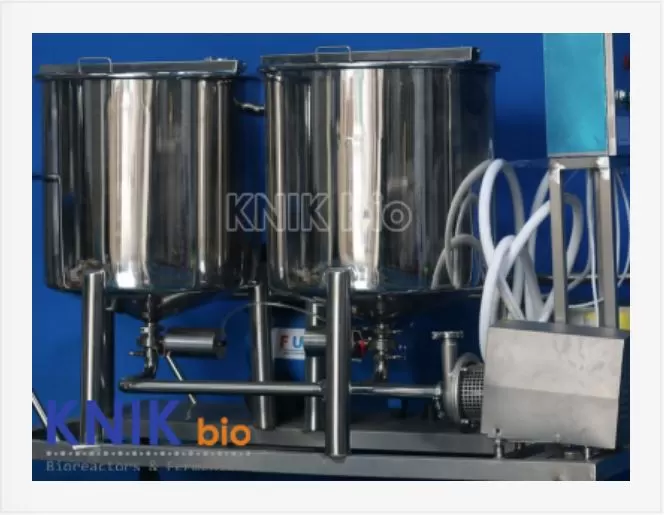
A vital tool in the production of antibiotics and vaccines
Fermenters are not just used in the food and beverage industry, but also in the production of pharmaceuticals and vaccines. Some of the most critical medical breakthroughs of the past century have been made possible by air lift fermenter. One such example is the production of penicillin, the world’s first antibiotic.
Fermenters are used to grow the bacteria or fungi that produce the desired compound, such as penicillin. The fermentation process is controlled and optimized to produce high yields of the desired product. Once the product is produced, it is extracted from the culture medium and purified.
Fermenters are also used in the production of vaccines. In the 1950s, fermenters were used to produce the polio vaccine on a mass scale. Today, fermenters are still used to produce many types of vaccines, including the COVID-19 vaccine.
How to properly use a fermenter for home brewing and wine making?
If you are interested in brewing your beer or making your wine, then a fermenter is an essential tool. Properly using a fermenter is crucial to the success of your homebrew or winemaking project. Here are the steps to properly using a fermenter:
1. Clean and sanitize your fermenter. Start by cleaning your fermenter with a mild detergent and hot water. Then sanitize the fermenter with a solution of water and a no-rinse sanitizer.
2. Prepare your wort or grape juice. Follow your recipe or kit instructions to prepare your wort or grape juice. Be sure to cool your wort to the desired temperature before adding yeast.
3. Add yeast and other ingredients. Add your yeast and any other ingredients, such as hops or fruit, to your fermenter.
4. Seal your fermenter. Once all ingredients are added, seal your fermenter and add an airlock. This will allow carbon dioxide to escape and prevent oxygen from entering.
5. Ferment your beer or wine. Place your fermenter in a cool, dark place, and allow it to ferment for the recommended time.
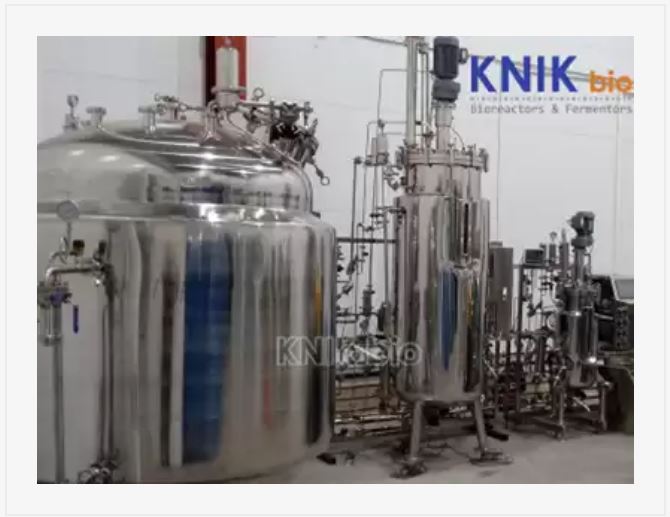
Advancements and innovations in fermentation equipment
Fermentation technology has come a long way since its early beginnings. Advancements and innovations in fermentation equipment have allowed for more precise control over the fermentation process, resulting in higher yields and better-quality products.
One such innovation is the use of computer-controlled fermenters. These fermenters allow for precise control over fermentation temperature, pH, and other critical parameters, resulting in more consistent products.
Another innovation is the use of high-pressure fermentation. High-pressure fermentation allows for the production of beer with a higher alcohol content and fuller flavor.
In conclusion, industrial fermenter have played a crucial role in the production of many products we consume daily, from beer to antibiotics. They are essential tools in the brewing industry, winemaking, and pharmaceutical companies, and advancements in fermentation equipment have led to higher yields and better-quality products. With proper use and care, fermenters can help you produce fantastic homebrew and wine.