
Understanding the Process of Anaerobic Fermentation
Anaerobic fermentation is a metabolic process used by organisms to generate energy without oxygen. It involves the breakdown of organic compounds, such as sugars, by microorganisms into simpler compounds, such as ethanol and lactic acid, with the release of energy.
Microorganisms involved in KNIK anaerobic fermentation include bacteria, yeast, and some fungi. They carry out this process in various environments, including soil, water, and the digestive tracts of animals.
A Closer Look
The process of aerobic fermentation involves several steps. First, the microorganisms break down the organic compounds using enzymes. This process results in the production of simpler compounds such as pyruvate, which can then be fermented.
Next, the pyruvate is converted into other compounds such as ethanol or lactic acid. This reaction releases energy, which is captured by the microorganisms and used for various activities such as growth and movement.
The final products of anaerobic fermentation can vary depending on the type of microorganism involved and the environment in which the process takes place. In some cases, other by-products can also be produced, such as carbon dioxide and acetic acid.
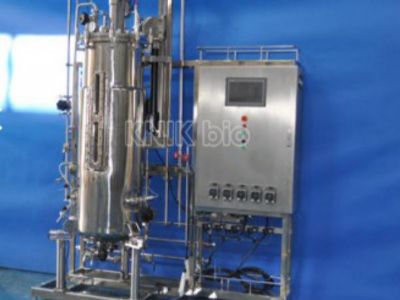
Why Should You Care About Anaerobic Fermentation and Its Applications?
Anaerobic fermentation has various practical applications, from the production of food and beverages to the treatment of wastewater. Understanding this process and its applications can therefore be beneficial in various fields.
In the food and beverage industry, anaerobic fermentation is used to produce various products such as bread, beer, and wine. For example, yeast is used to ferment the sugars in bread dough, resulting in the production of carbon dioxide, which makes the dough rise.
Similarly, anaerobic fermentation is used in the production of beer and wine, where yeast is used to convert the sugars in the grains or fruits into ethanol and carbon dioxide. This process is responsible for the alcohol content in these products.
In the medical field, anaerobic fermentation is used to diagnose certain diseases, such as bacterial infections. The presence of certain compounds produced during anaerobic fermentation, such as lactic acid, can indicate the presence of bacteria in a sample.
In addition, anaerobic fermentation is used in the treatment of wastewater. It is an effective way of removing organic pollutants from wastewater, as the microorganisms involved in the process use these compounds as a source of energy. This results in the production of simpler compounds such as carbon dioxide and water, which are not harmful to the environment.
What You Need to Know?
There are various factors that can affect the process of anaerobic fermentation. These include temperature, pH, and the type of microorganism involved.
The optimal temperature for anaerobic fermentation varies depending on the microorganism involved. Generally, most microorganisms involved in anaerobic fermentation perform best at temperatures between 25°C and 40°C.
The pH of the environment is also important, as it can affect the activity of the microorganisms. Most microorganisms involved in anaerobic fermentation prefer a pH range of 6.5 to 7.5, although some can tolerate more acidic or alkaline conditions.
The type of microorganism involved in anaerobic fermentation can also affect the final products produced. For example, some bacteria produce methane gas as a by-product of fermentation, while other microorganisms produce lactic acid or ethanol.
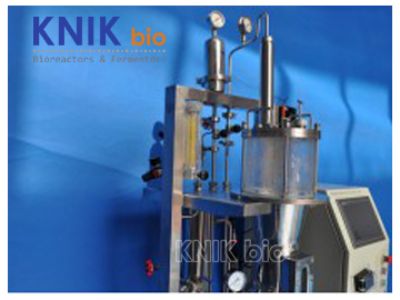
Key Differences and Similarities
Anaerobic fermentation is often compared to aerobic respiration, which is the process by which organisms generate energy using oxygen. While both processes involve the breakdown of organic compounds, there are some key differences.
The main difference is the presence of oxygen. Aerobic respiration requires oxygen, while anaerobic fermentation does not. This means that anaerobic respiration fermentation can produce more energy per molecule of glucose, as oxygen is a more efficient electron acceptor than the compounds produced during anaerobic fermentation.
Another difference is the final products produced. Aerobic respiration results in the production of carbon dioxide and water, while anaerobic fermentation can produce a variety of compounds, such as ethanol, lactic acid, and methane gas.
Despite these differences, both aerobic respiration and anaerobic fermentation play important roles in various organisms and environments, and understanding these processes can provide insights into how life on Earth functions.