
As concern over the environment is rising. Sustainable energy is becoming a very fashionable alternative to traditional energy sources. Among the most essential KNIK tools of sustainable energy is the photobioreactor. Because it makes use of the power of algae to solve environmental problems. We will discuss how photobioreactor can be beneficial and advantages they provide.
Why Photobioreactors are Essential for Generation of Sustainable Energy
Sustainable energy generation is important as depleting fossil fuels. Which are the traditional source of energy have been reported to degrade the environment. Photobioreactors are highly important in the production of sustainable energy. Because they use algae for producing biomass. Which can easily be assimilated to make biofuels like biodiesel or bioethanol. Unlike fossil fuels, algae are renew and can be produced all year round with harvest times. It can therefore be used to produce biofuels sustainably. Therefore, photobioreactors can be considered an essential tool for the sustainable production of energy.
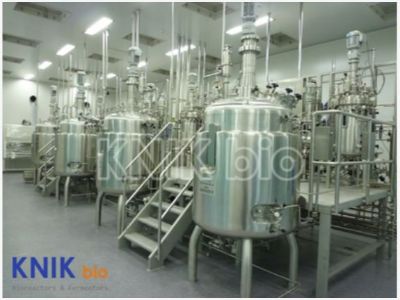
How Photobioreactors Can Use the Power of Algae in Service of Environmental Solutions?
The use of algae by photobioreactor algae is very significant. These algae are known for their carbon dioxide capture. So, they would be beneficial in reducing the carbon content in the atmosphere. Because algae take carbon dioxide for photosynthesis. In addition to carbon, algae can also remove some other pollutants from the environment. Which include nitrogen and phosphorus that in nature dominate most of the agricultural runoff. These environmental solutions can be scaled up using photobioreactors to produce algae.
The Versatility of Photobioreactors Explored
Although photobioreactors are so much known for their role in the generation of sustainable energy. They have other versatile applications as well. For instance, they can find most applications within the pharmaceutical companies to produce high-value products. Such as vaccines, therapeutic proteins, and enzymes. In addition to that, wastewater treatment involves the application of photobioreactors. Within it, algae act as a filter in the purification of water from organic materials and nutrients. This versatility makes photobioreactors an extremely useful tool for most industries.
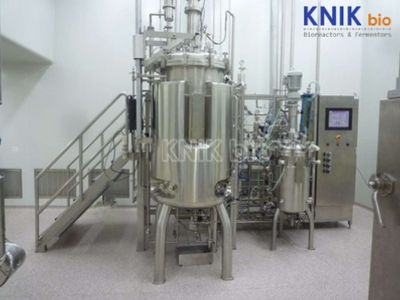
Why Photobioreactors Will be the Future of Food Production?
Projected population: The yield in food that will be required will increase by almost 70% with an estimated figure of 9.7 billion by 2050. In addition, conventional means of food production have contributed to unsustainability through soil degradation, usage of pesticides, herbicides, and fertilizers, and restricted land available for arable usage. Photobioreactors are actually an innovative system solving. Such problems with the ability to control an environment to grow microorganisms. Including algae and cyanobacteria, which can be an important source of protein and other nutrients.
Key benefits of the application of photobioreactors in industrial processes
Photobioreactors have many advantages over traditional industrial processes. For one, they use much less water than does traditional agriculture. Which makes algae photobioreactor particularly suitable for regions lacking an abundance of water resources. In addition, photobioreactors impose a significantly reduced environmental burden. Compared to traditional industrial processes due to the lower concentration of greenhouse gases emitted.