
How Glucose Breaks Down into Energy?
Glucose is one of the most crucial molecules in life because it acts as the source of energy for most living organisms. Glucose is a simple sugar derived from the foods that we take in. The concentration is very high in carbohydrates like fruits, vegetables, and grains. The glucose can be broken into energy release through several main pathways of cellular respiration. Some of the types of cellular respiration include, but are not limited to, aerobic and anaerobic respiration. One form of anaerobic respiration is a type of glucose fermentation. The process of fermentation lactic acid and glucose is closely analyzed in this article.
It is a metabolic process in which sugar is metabolized to form other products including carbon dioxide and alcohol. During glucose fermentation, it breaks glucose into pyruvate. Pyruvate is further used to break down into the various byproducts such as lactic acid, ethanol, acetic acid, and CO2. Due to its occurrence in an oxygen-free environment, fermentation is also called anaerobic respiration.
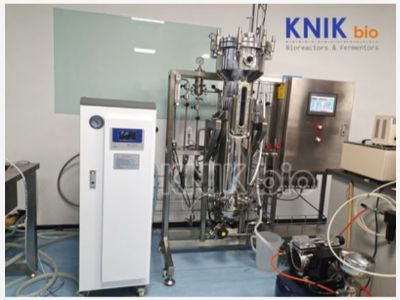
What is the Glucose Fermentation Process?
Glucose fermentation is a chain of chemical reactions catalyzed by enzymes. This can be described as follows:
1. Glycolysis: The first step of glucose fermentation is glycolysis, where glucose is converted into a molecule called pyruvate. This process occurs in the cytoplasm and in the absence of oxygen. Glycolysis results in a net gain of two molecules of ATP, also known as adenosine triphosphate, or energy currency of the cell.
2. Pyruvate conversion: When oxygen is present, the metabolism of pyruvate goes further into the Krebs cycle and oxidative phosphorylation, producing a high amount of ATP. Without oxygen, pyruvate cannot be further metabolized. Instead, it gets converted into other byproducts through fermentation.
3. Fermentation: During fermentation, pyruvate is further converted to one of many end products as a function of the microorganism and conditions that prevail during fermentation. Under lactic acid fermentation, pyruvate will be further converted to lactic acid, and ethanol and CO2 in the case of alcoholic fermentation.
Step-by-Step Fermentation of Glucose
Here is the step-by-step process for glucose fermentation
Step 1: Cell takes in glucose that later enters into the cytoplasm.
Step 2: Breakdown of glucose to pyruvate yields net production of two molecules of ATP
Step 3: The oxygen ensures that in this process the pyruvate derived from the process of glycolysis moves into the mitochondrion, which is divided further to break down it to acetyl-CoA entering Krebs cycle which eventually generates large amounts of ATP due to oxidative phosphorylation.
Step 4: If oxygen is not present, pyruvate ferments into a variety of end products. Lactic acid fermentation involves the conversion of pyruvate to lactic acid. Ethanol and CO2 are the end products of alcoholic fermentation from pyruvate.
Step 5: The end products of fermentation are excreted out of the cell and may be used in different applications such as the production of energy or in the brewing of alcohol beverages.
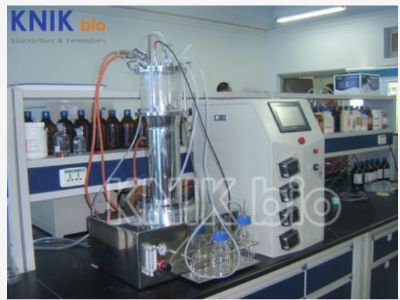
Fermentation of glucose is an essential biochemical process that powers life, enabling the generation of energy in the absence of oxygen. The survival of the organism would be impossible if this biochemical process were to be hindered. There are numerous microorganisms including bacteria and fungi that apply fermentation of glucose in breaking down glucose and other sugars. Man also uses fermentation in beer and wine production. In a nutshell, this is one of the most beautiful and important processes by which organisms adapt to their environment and create energy in varied conditions of fermentation of glucose.