
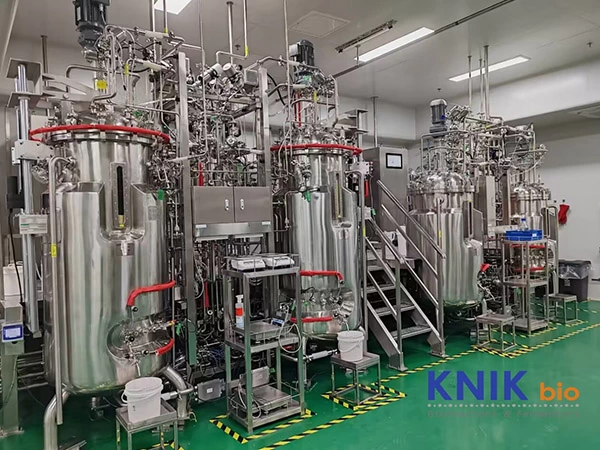
Efficient piping design and steam trap selection are critical for maintaining steam quality, preventing contamination, and optimizing energy efficiency in fermentation systems. Proper condensate management ensures stable heating, effective sterilization, and extended equipment lifespan.
Key Piping Design Considerations
Condensate Management and Drainage
*Self-Draining Design: Pipes should allow natural drainage to prevent condensate buildup, which can cause contamination and heat transfer inefficiencies.
*Pipe Slope: Steam pipes should have a 1-2% slope toward steam traps to facilitate drainage and prevent water hammer.
Steam Trap Placement
*Steam Supply Lines: Install traps 1-2 meters upstream of equipment (e.g., fermenter jackets, SIP/CIP systems) to remove condensate before it reaches the process.
*Fermenter Jacket Inlet & Outlet:
Inlet: Prevents condensate entry, ensuring only dry steam is used for heating.
Outlet: Removes condensate efficiently after sterilization, preventing pooling.
*Low Points & Return Lines: Steam traps should be placed at low-lying sections and condensate return points to prevent backflow into steam lines.
Steam Trap Selection for Fermentation Systems
Steam traps remove condensate, ensuring consistent steam pressure and process efficiency. The best choice depends on operating pressure, condensate load, and system needs.
Float Steam Trap
✔ Best for fermenter jackets and SIP systems
✔ Continuous condensate drainage improves efficiency
✖ More complex, requiring maintenance
Thermostatic Steam Trap
✔ Best for SIP/CIP steam sterilization
✔ Removes air and condensate quickly
✖ Less efficient for continuous condensate removal
Thermodynamic Steam Trap
✔ Best for high-pressure steam lines
✔ Simple and durable design
✖ Less effective in low-pressure applications
Conclusion
Proper piping design and steam trap placement prevent heat loss, water hammer, and contamination risks.
*Sloped pipes and well-placed steam traps ensure efficient condensate drainage.
*Float traps are best for fermentation jackets, while thermostatic traps improve SIP sterilization.
*Optimized condensate management enhances system reliability and efficiency.
What are your thoughts on optimizing steam systems? Share in the comments!
hashtag#Fermentation hashtag#SteamTraps hashtag#PipingDesign hashtag#Bioprocessing