
★Synthetic biology will change the way we live.
★Synthetic biology products are rapidly penetrating society.
★By 2030, there’s a good chance you’ll have eaten, worn, used or been treated with a synthetic biology product.
While there are many biotech, pharmaceutical, and agricultural companies, this article has selected those that best highlight applications of synthetic biology tools developed between 2000-2020.
These products have emerged thanks to advances in metabolic engineering, directed evolution (2018 Nobel Prize), automated strain engineering, metagenomic discovery, genetic circuit design, and genome editing.
1. Bleeding Burger
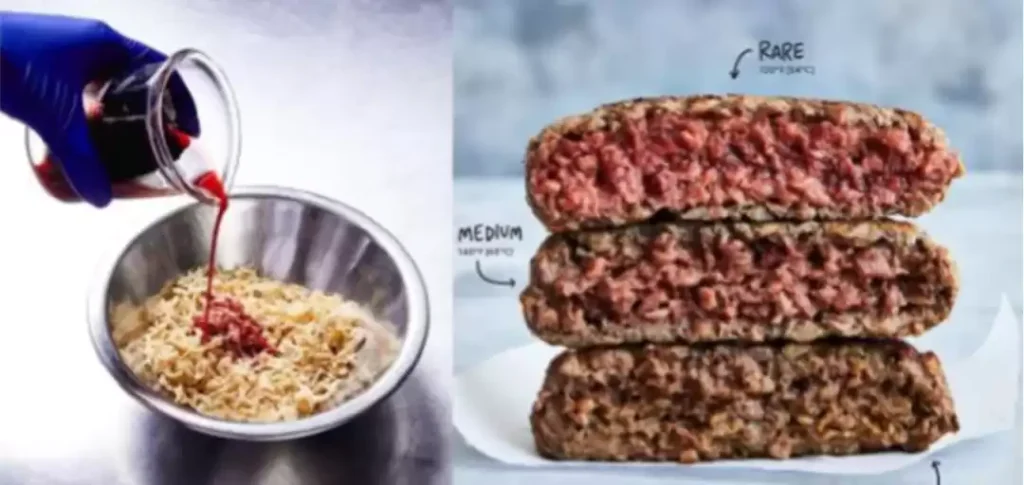
Impossible Foods recognizes that blood, specifically the iron-containing heme, is important to the taste and experience of eating a hamburger. The roots of some plants will “bleed” when cut. The yeast Pichia pastoris is designed to produce soy leghemoglobin, which improves meat flavor and aroma when added to plant-based burgers.
Optimizing the production strain involves DNA synthesis, Gibson assembly, and a positive feedback loop for autoinduction. Compared with beef patties, the Impossible Burger requires 96% less land and reduces greenhouse gas emissions by 89%. Globally, their products are sold in more than 30,000 restaurants and 15,000 grocery stores.
2. Merck’s diabetes drug Januvia
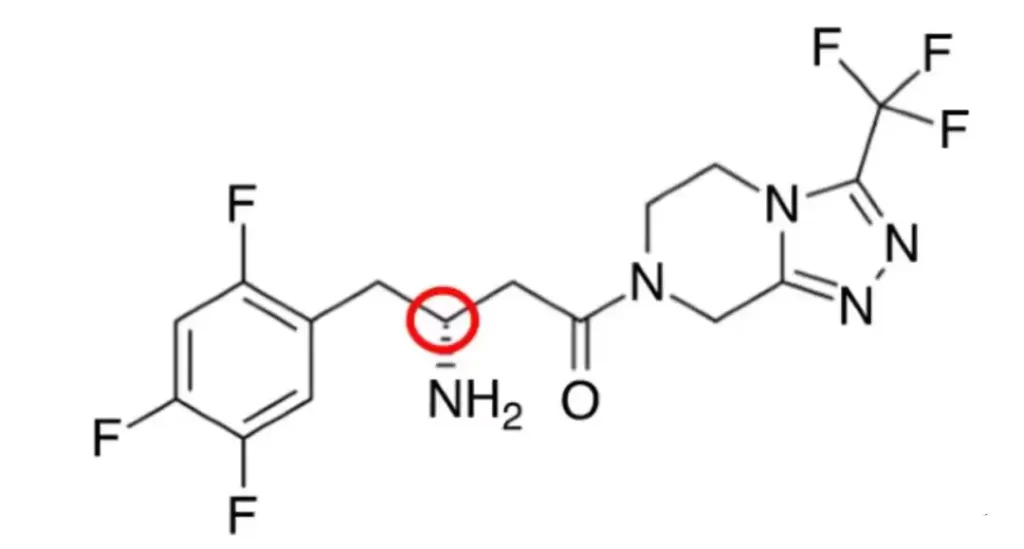
Januvia (sigaliptin) increases insulin secretion by inhibiting dipeptidyl peptidase 4. It is the 95th most commonly prescribed drug with approximately 107 prescriptions and annual sales of $1.35 billion. Stigaliptin has a stereospecific amine that is challenging to make using chemical methods alone, requiring heavy metals and high pressure.
The HIV antiviral drug islatravir for Phase 2 clinical trials was made using a cascade of five enzymes, all products of directed evolution. The starting compounds of islatravir and sitgaliptin are highly fluorinated or have alkynyl groups, which are difficult to produce using enzymes and require chemical steps in the manufacturing process.
Molecules made in biology are probably the envy of chemists, and there are long traceable synthetic routes in books on synthetic organic chemistry. It is tempting to point out that in the future all chemicals will be produced by enzymes in cells. However, this is not accurate.
Biology is capable of building seemingly complex structures through repeated reactions of highly functionalized molecules by enzymes with precise specificity and regioselectivity. When the power of chemistry and biology are seamlessly merged, new chemical spaces will be gained. The formal combination of chemistry and biochemistry will fundamentally impact everything from pharmaceuticals to consumer products and agricultural chemicals.
3. Film for electronic products
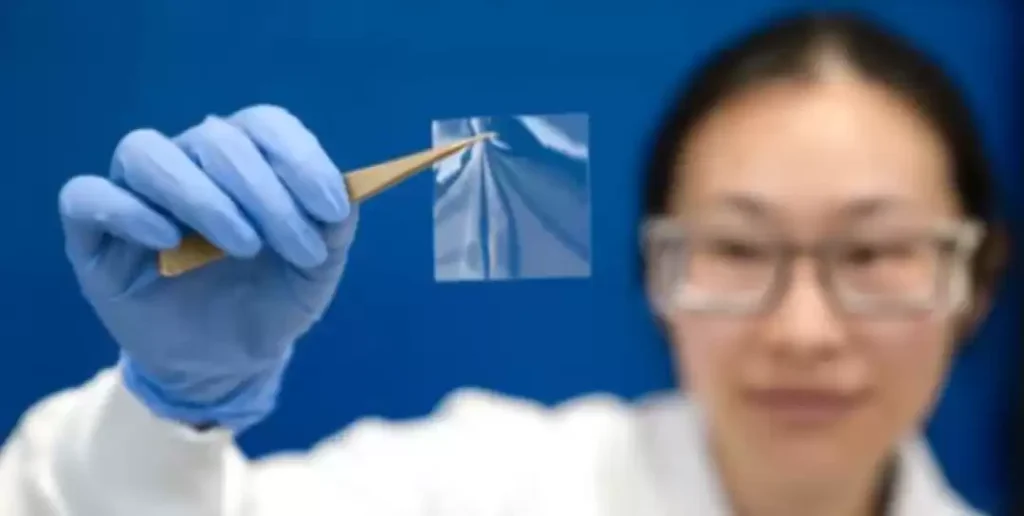
Zymergen’s clear membranes are polyimide films made from biosourced monomers. Polyimides, most commonly known as polyimides, offer thermal/chemical stability and excellent mechanical properties, but often their color hinders applications requiring transparency. The transparent film family is transparent, flexible and mechanically strong, making it suitable for flexible electronics (e.g., foldable smartphones and wearable electronics) and will appear in products in early 2021.
The films are made from diamine monomers. Using a suite of robotics techniques to optimize engineered organisms to build millions of strains in parallel, artificial intelligence learns from failures to design the next round of strains. These companies have emerged globally and accelerated the pace of synthetic biology projects.
4. Corn biological nitrogen fertilizer
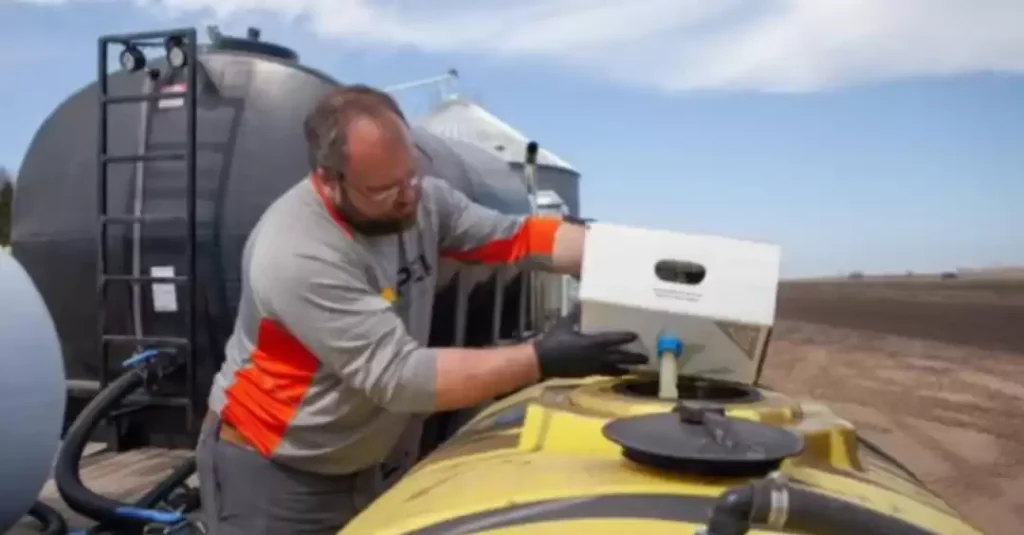
Farmers must add nitrogen to crops to achieve high yields, much of which is produced using industrial chemical processes that consume 1-2% of global energy. Bacteria that fix nitrogen from the air are used as biological nitrogen fertilizers, but they are incompatible with cereal crops (corn, wheat, rice). PivotBio created the first biofertilizer for corn based on a strain of gammaproteobacteria (KV137) associated with corn roots that has the genes needed to fix nitrogen. However, these genes are turned off when they are needed most, so synthetic biology was used to turn these genes on, which directed the reshaping of the KV137 genome.
This bacteria is the active ingredient in a proven liquid fertilizer that reduces fertilizer requirements by 25 pounds/acre while increasing yields by 5.8 bushels. Unlike fertilizers, rainwater does not leach nitrogen into groundwater (a major source of pollution) or release it into the atmosphere as a powerful greenhouse gas.
5. Drugs to treat acute lymphoblastic leukemia
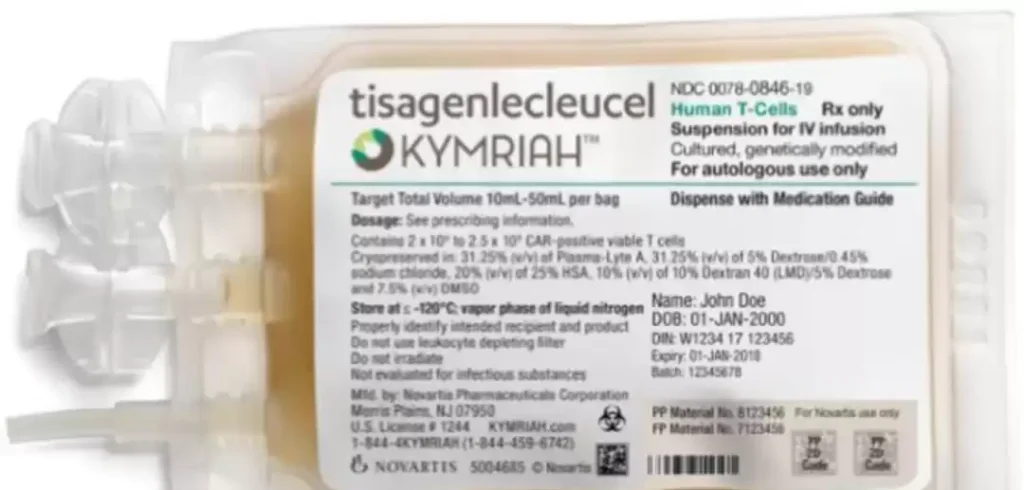
The therapeutic use of engineered living cells has been described as the “third pillar of medicine” after the era of biologics. Kymriah (Tisagenlecleucel) is the first such therapy to receive FDA approval. CAR-T cells are made by isolating a patient’s T cells, genetically modifying them to express chimeric antigen receptors (CARs), and then reintroducing them into the patient’s body, where they can persist for years, or even decades. ten years.
Tisagenlecleucel expresses a fusion between antibodies that target the CD19 antigen on cancer cells that are introduced into the patient’s T cells using a lentivirus. The results were astounding, with an 83% response rate for patients with difficult-to-treat disease. Kymyriah and the similar Yescarta (Gilead) will together generate about $1 billion in sales this year. As of summer 2020, there were 671 CAR-T therapies in trials, mostly for blood cancers, but increasingly for the treatment of solid tumors, autoimmune diseases such as multiple sclerosis, and viral infections such as HIV).
6. Soybean high oleic acid oil
Calyno oil is the first genome-edited plant product to enter the U.S. food supply. Soybean oil contains 90% seed oil, but is high in linoleic acid, is shelf unstable, and degrades rapidly in the fryer. To reduce food waste, it can be partially hydrogenated, but this results in unhealthy trans fats.
Calyxt edits the soybean genome to inactivate two fatty acid desaturase genes that reduce the production of unstable linoleic acid. The oil produced by the deletion contains 80% oleic acid, while unmodified soybeans contain only 20%. Gene editing is performed using transcription activator-like effector nucleases (TALENs), which can be programmed to cleave target DNA sequences. This results in smaller deletions and no recombinant DNA, simplifying regulatory approval, in contrast to previous efforts to silence genes using RNAi.
Conclusion
Insect materials in aerospace, toxic glue replaced by mycelium in construction materials, and NASA turning to synthetic biology to produce food and medicine during long-distance space travel. The next decade will see more products derived from engineered biology with superior performance and affordability. The field of synthetic biology is already having an impact.