
Introduction
Fermentation is a biotechnology widely used in food, medicine, chemical industry and other fields, and dissolved oxygen is one of the important factors affecting the fermentation process. During the fermentation process, microorganisms need oxygen to participate in metabolic activities, but too high or too low dissolved oxygen concentration will have adverse effects on the growth and metabolism of microorganisms. Therefore, it is crucial to control the dissolved oxygen concentration during fermentation.
◆Factors affecting dissolved oxygen concentration
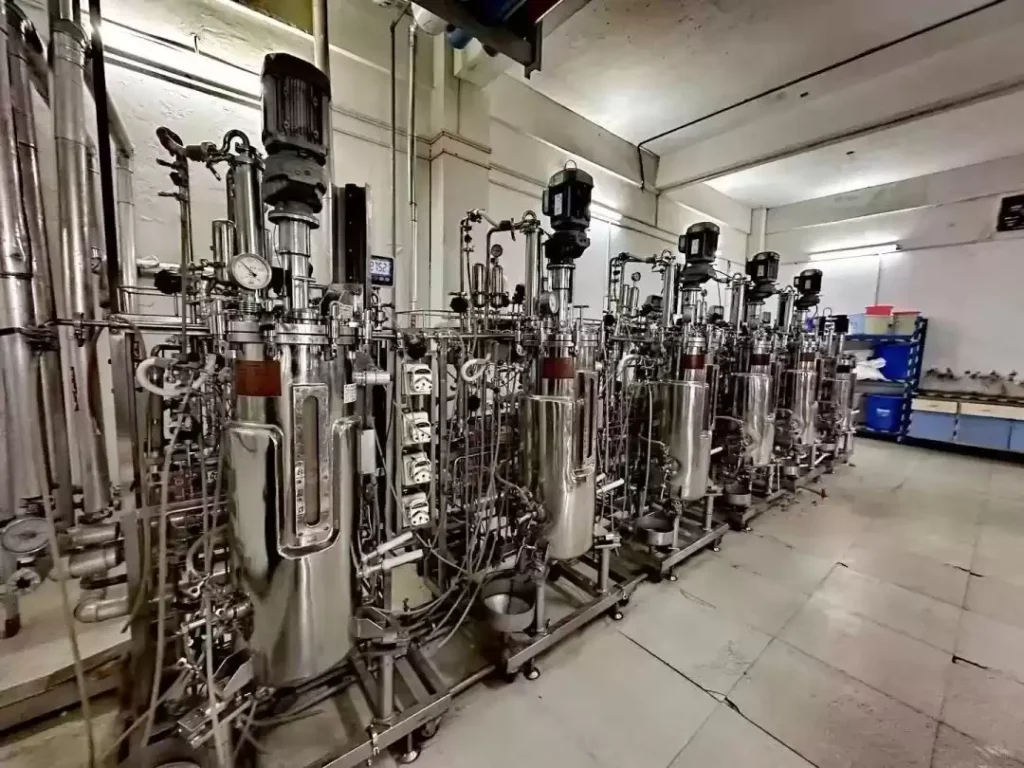
❶Air flow and stirring speed in fermentation systems
Air flow and agitation speed are the two main factors that control dissolved oxygen concentration within a fermentation system. Properly increasing air flow and stirring speed can increase dissolved oxygen concentration and promote microbial growth and metabolic activities.
❷Fermentation broth temperature
Temperature has a direct impact on microbial metabolic activity. Appropriate temperature can improve microbial metabolic efficiency and increase oxygen demand; but too high temperature will cause microorganisms to lose activity and reduce oxygen demand.
❸Fermentation broth pH value
pH value also has a direct impact on microbial metabolic activity. A suitable pH value can improve microbial metabolic efficiency and increase oxygen demand; but a pH value that is too high or too low will cause microorganisms to lose activity and reduce oxygen demand.
❹Organic matter concentration in fermentation broth
Organic matter concentration is an important nutrient source for microbial growth and metabolism, but too high an organic matter concentration will cause microbial metabolism to produce a large amount of carbon dioxide and other waste gases, reducing the dissolved oxygen concentration.
◆Improve gas mass transfer
Gas mass transfer is one of the main ways for dissolved oxygen to reach the fermentation broth. By increasing the gas mass transfer rate, the amount of dissolved oxygen in the fermentation broth can be increased. Here are a few commonly used methods:
❶Increase mixing speed
Appropriately increasing the stirring speed in the fermentation vessel can increase the contact area between gas and liquid and promote gas mass transfer.
❷Use appropriate gas distribution devices
Installing a gas distribution device, such as a gas disperser or a gas nozzle, at the bottom of the fermentation vessel can evenly distribute gas in the fermentation liquid and increase gas mass transfer efficiency.
❸Optimize gas supply methods
Selecting an appropriate gas supply method, such as increasing the pressure of gas entering the fermentation vessel, using a microporous gas supply device, etc., can improve the gas mass transfer rate.
◆Increase dissolved oxygen
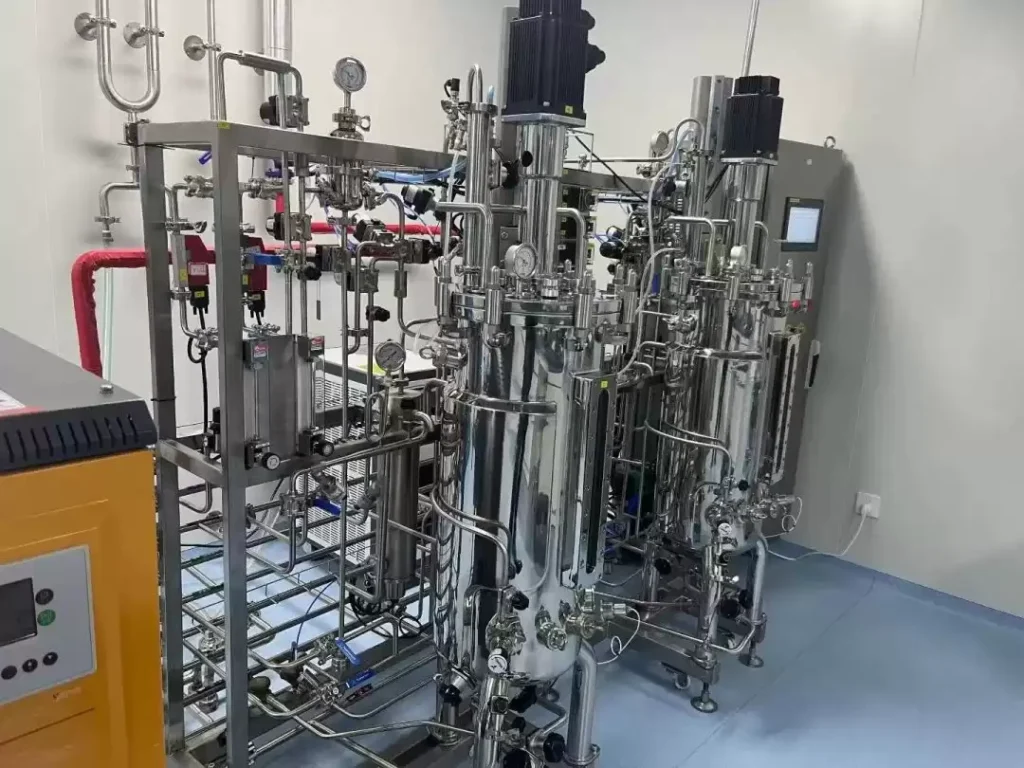
In addition to increasing the gas mass transfer rate, the amount of dissolved oxygen in the fermentation broth can also be increased by increasing the amount of dissolved oxygen. Here are a few common methods:
❶Increase intake oxygen concentration
Increasing the oxygen concentration of the inlet air can directly increase the amount of dissolved oxygen in the fermentation broth. This can be achieved by a combination of adjusting the oxygen concentration of the gas entering the fermentation vessel or changing the oxygen concentration of the incoming gas.
❷Use dissolved oxygen
A dissolved oxygen agent is a substance that increases the amount of dissolved oxygen. Common dissolved oxygen agents include hydrogen peroxide, sulfite, etc. Adding an appropriate amount of dissolved oxygen agent to the fermentation broth can increase the amount of dissolved oxygen.
❸Adjust the temperature of fermentation broth
The temperature of the fermentation broth has a certain impact on the solubility of oxygen. In some cases, appropriately adjusting the temperature of the fermentation broth can increase the amount of dissolved oxygen.
◆Reduce oxygen consumption
In addition to increasing the amount of dissolved oxygen, the amount of dissolved oxygen in the fermentation broth can also be increased by reducing oxygen consumption. Here are a few common methods:
❶Optimize fermentation conditions
By adjusting the pH value, temperature, nutrient concentration, etc. of the fermentation broth, the fermentation conditions can be optimized, the oxidation reaction of the substrate can be reduced, and the consumption of oxygen can be reduced.
❷Use antioxidants
Antioxidants can inhibit oxidation reactions in fermentation broth and reduce oxygen consumption. Common antioxidants include vitamin C, sodium thiosulfate, etc.
❸Reduce oxygen leakage
The sealing of the fermentation container has a certain impact on oxygen leakage. Optimizing the sealing of the fermentation container and reducing oxygen leakage can increase the amount of dissolved oxygen in the fermentation broth.
In conclusion
Increasing the amount of dissolved oxygen in the fermentation broth can improve the efficiency of the fermentation process and the quality of the product. By increasing the gas mass transfer rate, increasing dissolved oxygen and reducing oxygen consumption, the amount of dissolved oxygen in the fermentation broth can be effectively increased. In practical applications, appropriate methods can be selected according to specific conditions to increase the amount of dissolved oxygen in the fermentation broth, thereby achieving better fermentation results.