
◆Basic concept
◤Origin of the word fermentation◥
The phenomenon of fermentation has been recognized by people for a long time, but its essence has only been understood in the past 200 years. The word fermentation in English is derived from the Latin word fervere, which originally means “churning”. It describes the phenomenon when yeast acts on juice or malt extract. The boiling phenomenon is caused by the carbon dioxide produced by the degradation of sugars in the leach solution under anaerobic conditions. In biochemistry, the anaerobic respiration process of yeast is called fermentation. What we now refer to as fermentation has long had a different meaning. Fermentation is a chemical reaction and physiological change carried out by living organisms. It is a process in which various biochemical reactions continuously decompose and synthesize according to the genetic information of the living body itself to obtain energy to maintain life activities. Fermentation products refer to substances produced during the reaction process or when the reaction reaches the end point, which can regulate metabolism and achieve balance. In fact, fermentation is also a type of respiration, except that respiration ultimately produces CO2 and water, while fermentation ultimately obtains various metabolites. Therefore, the modern definition of fermentation should be: a reaction process in which specialized metabolites are produced and accumulated in large quantities through the growth, culture and chemical changes of microorganisms (or animal and plant cells).
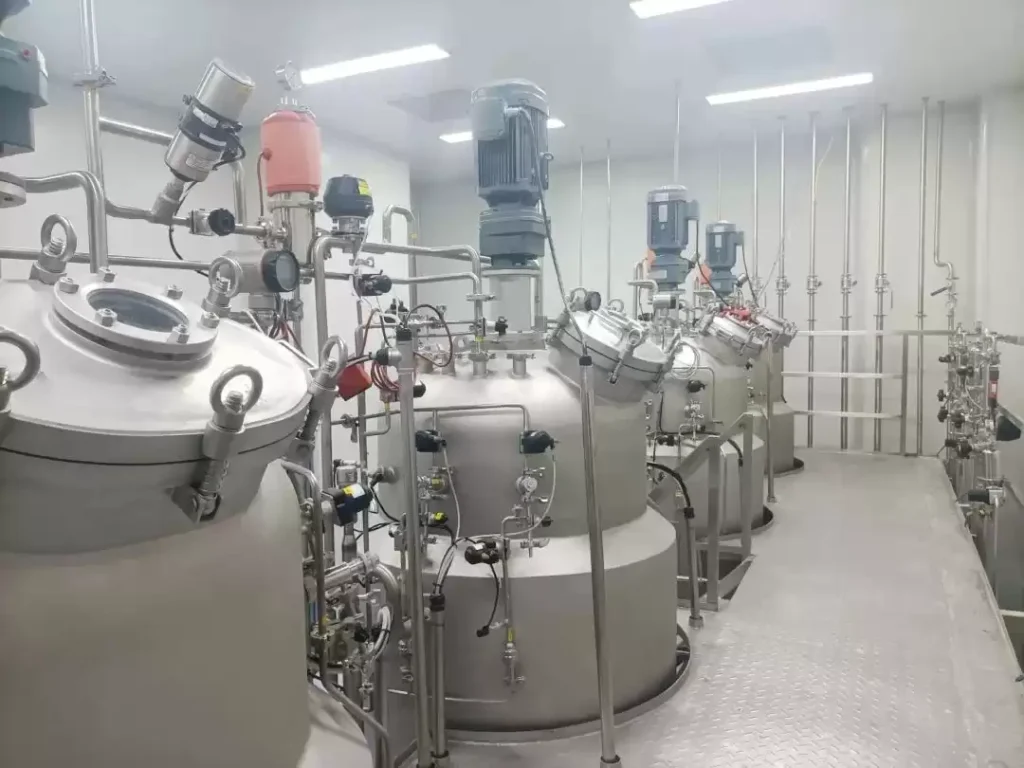
◤Fermentation definition◥
The definition of “fermentation” in a narrow sense
In biochemistry or physiology, fermentation refers to a way for microorganisms to decompose various organic substances to generate energy under anaerobic conditions. Or, more strictly speaking, fermentation is a redox energy-generating reaction using organic matter as an electron acceptor. For example, glucose is used by microorganisms under anaerobic conditions to produce alcohol and release carbon dioxide. At the same time, energy is obtained, and pyruvate is reduced to lactic acid to obtain energy, etc.
The definition of “fermentation” in a broad sense
Fermentation as it is called in industry generally refers to the process of using biological cells to manufacture certain products or purify the environment. It includes the production process of anaerobic culture, such as alcohol, acetone butanol, lactic acid, etc., as well as the production of aerobic (aerobic) culture. Processes, such as the production of antibiotics, amino acids, enzyme preparations, etc. Products include cell metabolites, bacterial cells, enzymes, etc.
◤Fermentation Engineering definition◥
A science that applies the principles of microbiology and other related natural sciences and engineering, and uses biological cells such as microorganisms to carry out enzymatic transformation to convert raw materials into products or provide social services.
◆Characteristics of fermentation
The biggest difference between fermentation and other chemical industries is that it is a chemical reaction carried out by living organisms. Its main features are as follows:
❶The fermentation process is generally a biochemical reaction carried out under normal temperature and pressure. The reaction is safe and the required conditions are relatively simple.
❷The raw materials used for fermentation are usually starch, molasses or other agricultural and sideline products. The reaction can be carried out by adding a small amount of organic and inorganic nitrogen sources. Different types of microorganisms can selectively utilize the nutrients they need. Based on this characteristic, wastewater and waste can be used as raw materials for fermentation to transform and renew biological resources.
❸The fermentation process is completed through the automatic regulation of organisms, and the reaction is highly specific, so relatively simple metabolites can be obtained.
❹Due to the reaction mechanism of the organism itself, it can specifically and highly selectively carry out chemical transformation reactions such as oxidation and reduction at specific parts of some more complex compounds, and can also produce more complex polymer compounds.
❺ The prevention and control of bacterial contamination during the fermentation process is crucial. In addition to strict sterilization of equipment and air filtration, reactions must be carried out under sterile conditions. If it is contaminated with miscellaneous bacteria, huge economic losses will be suffered in production. If it is infected with phages, it will cause greater harm to fermentation. Therefore, maintaining sterile conditions is the key to the success of fermentation.
❻Microbial strains are the fundamental factor in fermentation. Through mutation and strain screening, high-yield excellent strains can be obtained and production equipment can be fully utilized. Products that are difficult to produce by conventional methods can also be obtained.
❼Compared with other industries, industrial fermentation has less investment and quick results, and can achieve significant economic benefits.
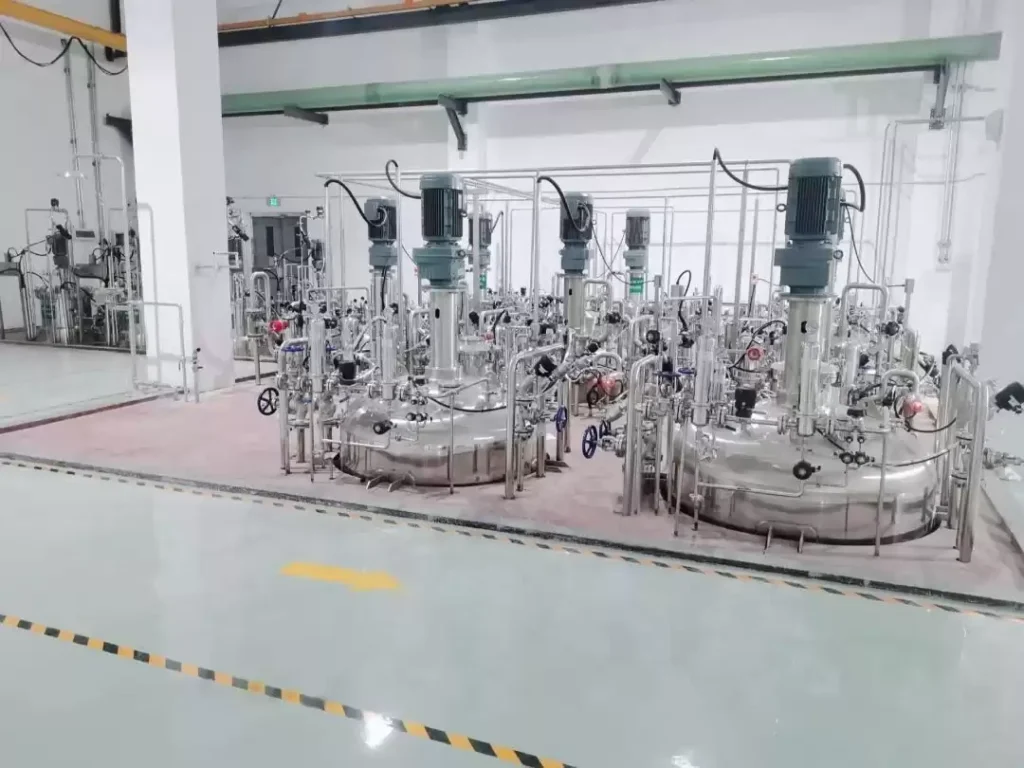
Based on the above characteristics, industrial fermentation has attracted increasing attention. Compared with traditional fermentation technology, modern fermentation engineering has its advantages in addition to the above-mentioned fermentation characteristics. In addition to using microorganisms, animal and plant cells and enzymes can also be used, and artificially constructed “engineering bacteria” can also be used to carry out reactions; the reaction equipment is not just conventional fermentation tanks, but various bioreactors. Instead, the degree of automation and continuity is high, which improves and innovates the fermentation level on the original basis.
◆Type of fermentation
According to the characteristics of fermentation and the different needs of microorganisms for oxygen, fermentation can be divided into several types:
Divided according to fermentation raw materials: sugar fermentation, petroleum fermentation, wastewater fermentation and other types.
Distinguished by fermentation products: such as amino acid fermentation, organic acid fermentation, antibiotic fermentation, alcohol fermentation, vitamin fermentation, etc.
According to the fermentation form, there are: solid state fermentation and deep liquid fermentation.
According to the fermentation process, there are: batch fermentation, continuous fermentation and fed-batch fermentation.
According to the different demands for oxygen during the fermentation process, it can generally be divided into two types: anaerobic fermentation and ventilated fermentation.
◆Components of the fermentation process
◤The components of the fermentation process◥
❶Setting of medium components for seed propagation and fermentation production;
❷Sterilization of culture media, fermentation tanks and ancillary equipment;
❸Cultivation of active and appropriate amounts of pure strains is inoculated into production containers;
❹Microorganisms grow in fermenters under conditions most suitable for product growth;
❺Product extraction and refining;
❻Disposal of waste discharged from the process.