
〖ASTAXANTHIN PRODUCTION PROCESS〗
Astaxanthin is a red pigment that widely exists in organisms and has very strong antioxidant properties. Natural astaxanthin is known as the “king of antioxidants” in nature in the 21st century. Its antioxidant capacity is 6,000 times that of vitamin C and 1,000 times that of vitamin E.
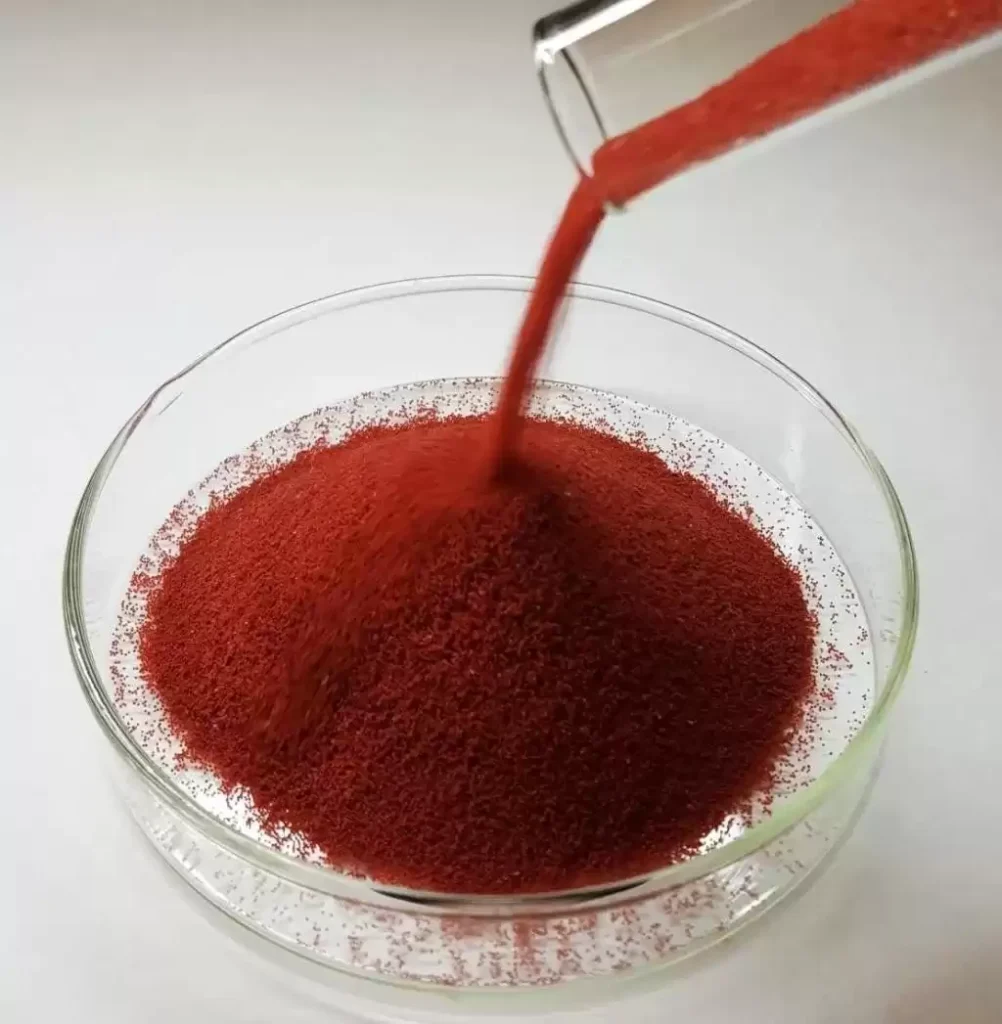
What is Astaxanthin
Astaxanthin, also known as astaxanthin or astaxanthin, is a terpene-like unsaturated compound with a chemical name of 3,3′-dihydroxy-4,4′-diketonyl-β, β’-carotene, the molecular formula is C40H52O4. Under the condition of 100kPa, the melting point is 216°C and the boiling point is 774°C.
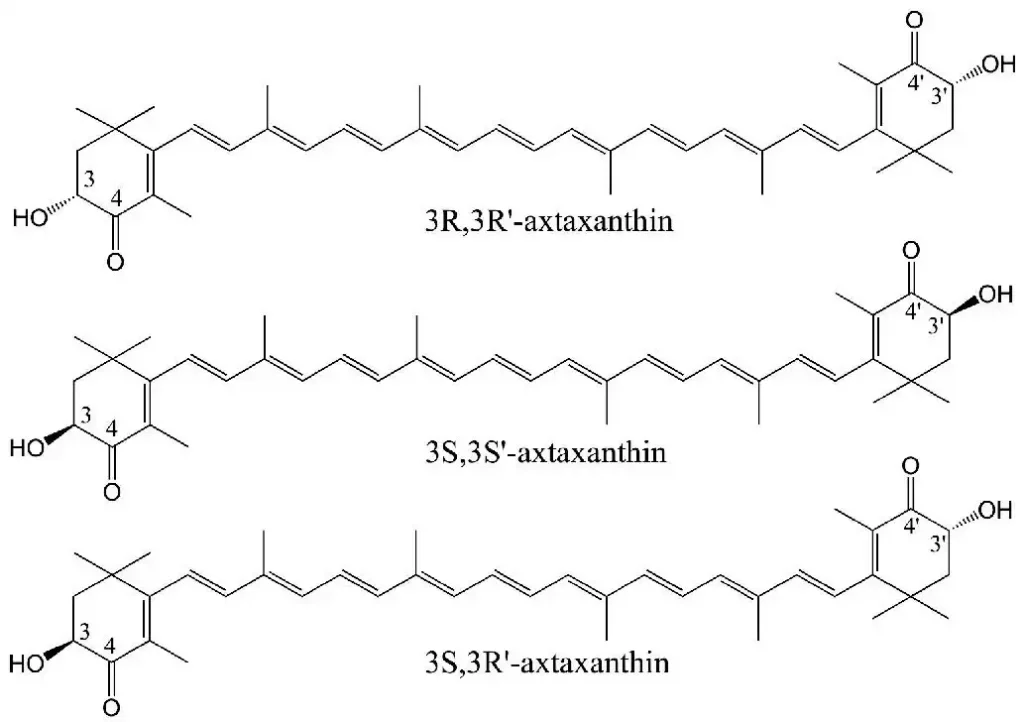
Astaxanthin widely exists in animals (such as aquatic animals, birds), plants, fungi, algae and bacteria, and has obvious benefits to human health, known as the “red miracle”. At present, astaxanthin is packaged as a health food and sold in the market, which has anti-oxidation, anti-aging, anti-tumor, and prevention of cardiovascular and cerebrovascular diseases.
Astaxanthin production method
①Chemical synthesis
According to the difference of the synthesis method, the synthesis method of astaxanthin is divided into two kinds, one is the indirect synthesis method, that is, it is obtained by oxidation of other carotenoids; synthesis.
Chemically synthesized astaxanthin has the advantages of low production cost, high yield, and the purity of astaxanthin can reach more than 96%. Oxidative activity is lower than naturally derived astaxanthin.
②Natural extraction
Natural astaxanthin mostly exists in marine organisms. The natural extraction method is to extract astaxanthin by crushing astaxanthin-rich by-products such as shrimp and crab, removing lime, and using organic solvents. This method can promote the development of the aquaculture industry and reduce the environmental pollution caused by the by-products of discarded aquatic products. However, due to the high content of ash and chitin in the shells of discarded shrimp and crabs, and the low content of astaxanthin, the extraction process is complicated and there is a problem of high extraction costs.
③Microbial fermentation
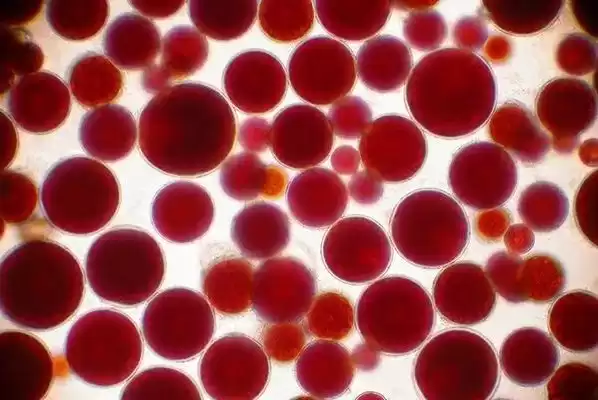
The method of producing astaxanthin using yeast, algae and bacteria is called microbial fermentation. The main bacterial species include single-celled green algae Haematococcus pluvialis, Chlorella aeruginosa, Phaffia rhodozyme, Rhodotorula viscosus, Rhodotorula glucosa and Paracoccus.
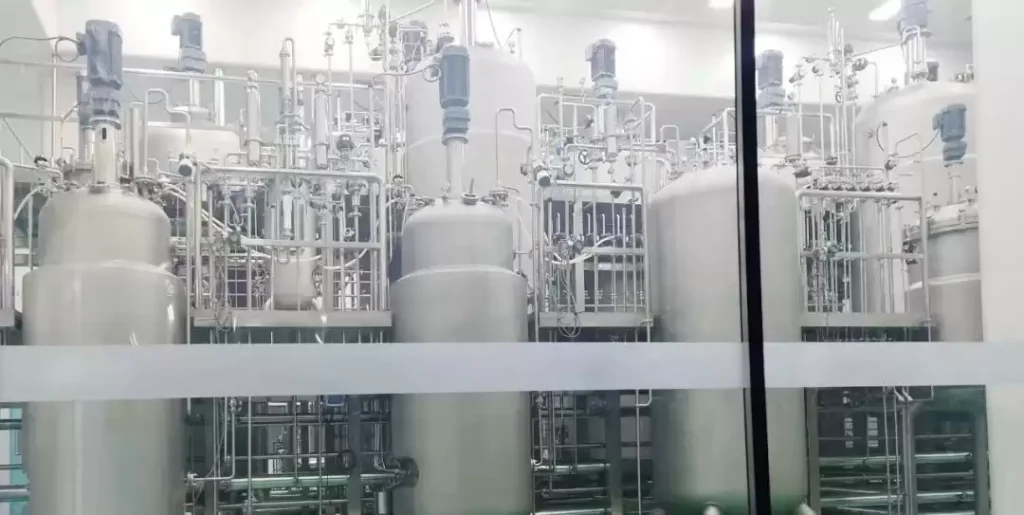
Astaxanthin-producing microorganisms
The astaxanthin produced by the fermentation method has a clear structure, less by-products, and is environmentally friendly. However, it is restricted by factors such as low yield, strict requirements for cultivation conditions, and high cultivation costs. The key factors for the production of astaxanthin by microbial fermentation are the use of cheap culture materials and the selection and breeding of high-quality high-yield strains so that they can be applied to industrial production.
Bacteria
Astaxanthin exists in many kinds of bacteria such as Brevibacterium, Paracoccus, Lactobacillus and so on. Although the astaxanthin content of most bacteria is much lower than that of algae and Phaffia rhodozyma, the problem of low astaxanthin production by bacteria can be improved by introducing genes related to astaxanthin synthesis into bacteria.
The production of astaxanthin through bacterial fermentation can greatly reduce the production cost of natural astaxanthin, which is of great significance to the industrial production of astaxanthin in the future.
Yeast
Yeast fermentation produces astaxanthin. The main strains used include Phaffia rhodozyme, Rhodotorula viscosus, Rhodotorula marine and Rhodotorula crimson. The production of astaxanthin by Phaffia rhodozyma has the following advantages:
o A variety of carbon and nitrogen sources can be used to produce astaxanthin
o The cell growth and reproduction speed is fast, and high-density culture can be realized
o Short production cycle and low cost
o It is easy to be absorbed by the human body, and the yeast cells can be directly used as feed additives after extraction.
The pathway of yeast biosynthesis of astaxanthin is divided into two stages: the first stage is the synthesis of β-carotene; the second stage is the formation of astaxanthin through oxidation and hydroxylation of β-carotene. The synthesis pathway of yeast astaxanthin is as follows:
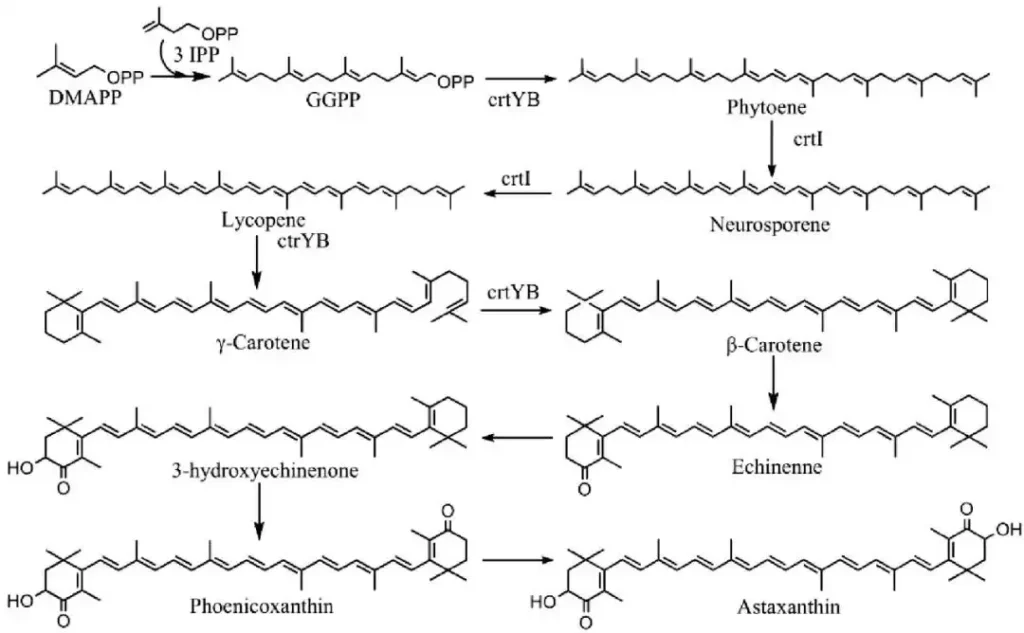
◆Astaxanthin’s wall-breaking treatment method. Astaxanthin is an intracellular product, and generally requires steps such as wall breaking, extraction and purification before it can be extracted from yeast cells. Commonly used wall breaking methods include mechanical method, chemical method, enzymatic method and heat treatment.
◆The mechanical method is to use mechanical equipment to tear the cell wall and release the contents through intracellular osmotic pressure. The main methods are ultrasonic crushing, bead grinding, spray impact crushing and high-pressure homogenization. The operation is simple, but it is easy to cause the temperature of the solution in some positions to be too high, resulting in the loss of astaxanthin.
◆Chemical methods mainly include dimethyl sulfoxide method, acid-base heating method and organic solvent penetration. Alkaline extraction and acid hydrolysis need to consume a large amount of alkali and organic acid to break the wall, which will increase the amount of sewage discharge, cause environmental pollution, and strong acid and alkali will cause damage to astaxanthin. Using 5.55 mol/L lactic acid concentration and 30 ℃ crushing temperature for wall-broken extraction can reduce the damage to astaxanthin.
◆The treatment conditions of the enzymatic hydrolysis method are mild, the requirements for equipment are low, the pollution to the environment caused by the treatment process is also small, and the extracted astaxanthin is more stable than that obtained by other methods.
At present, a variety of modern extraction methods for extracting active components have been developed, such as pulsed electric field, high-pressure microfluidization, ionic liquid and other emerging technologies.
Extraction method of astaxanthin
Astaxanthin is a fat-soluble substance, soluble in organic solvents and insoluble in water, and can be extracted with polar organic solvents such as acetone, ethanol, methanol, and petroleum ether. Due to the limited extraction effect of a single solvent, the researchers found that the astaxanthin content extracted by the acid-heat method using a 2:1 mixed solution of ethyl acetate and ethanol as the extraction solution was significantly higher than the extraction effect of a single solution.
Purification and detection method of astaxanthin
The purification of astaxanthin mainly uses thin-layer chromatography and column chromatography. Thin-layer chromatography can be used to simply determine the components of the crude extract. Column chromatography is the most convenient method because of its low-cost equipment and easy replacement of stationary and mobile phases. Commonly used purification methods.
Thin-layer chromatography and column chromatography are suitable for the purification process in the early stage, and the purification effect can reach more than 98% by using preparative high-performance liquid chromatography in the later stage of purification, but the preparation cost is relatively high. In order to quickly determine the amount of astaxanthin produced in the experiment, UV-Vis spectrophotometry is usually used.
▲▲▲Epilogue
Astaxanthin has broad development potential, and has great utilization value and development space in medicine, cosmetics, health care products, and feed additives.