
Fermentation generally refers to the process of using microorganisms to manufacture industrial raw materials or products. It is carried out by microorganisms (bacteria, yeast, etc.), organic matter (mainly carbohydrates), culture media, etc. under certain conditions such as temperature and pH. Fermentation is the earliest biochemical reaction that humans have come into contact with. Wine making, sauce making, vinegar making, etc. are all the earliest fermentation processes. Modern fermentation technology uses industrial fermentation for large-scale material processing and production on the basis of the intersection of multiple disciplines. The technical application fields are no longer limited to food and beverages, but extend to medicine, cosmetics and other fields.
Fermentation technology
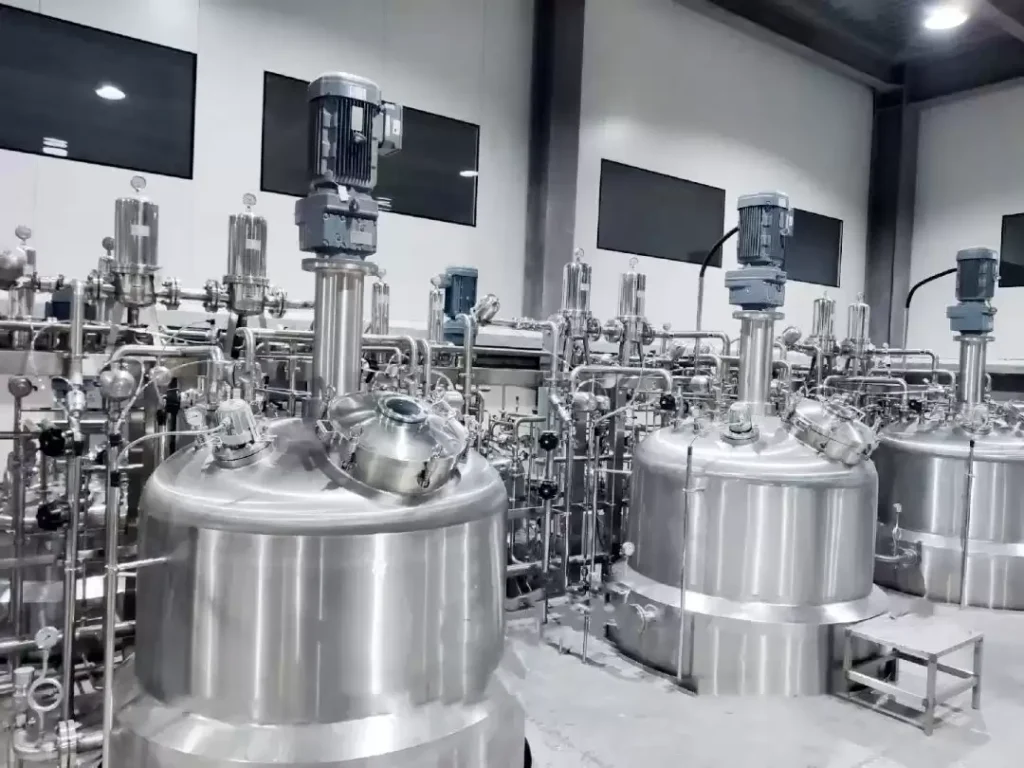
Fermentation is the earliest biochemical reaction that humans have come into contact with. Wine making, sauce making, vinegar making, etc. are all the earliest fermentation processes. Modern fermentation technology uses industrial fermentation for large-scale material processing and production on the basis of the intersection of multiple disciplines. The technical application fields are no longer limited to food and beverages, but extend to medicine, cosmetics and other fields.
Principles of fermentation technology
The principle of biological fermentation mainly involves the metabolic process of microorganisms. Microorganisms convert substrates into target products through enzymatic reactions on substrates under appropriate environmental conditions. The metabolic process of microorganisms includes aerobic respiration and anaerobic fermentation. Aerobic respiration refers to the complete oxidation of substrates by microorganisms in the presence of oxygen to produce energy and carbon dioxide. Anaerobic fermentation means that microorganisms partially oxidize the substrate under anaerobic or insufficient oxygen conditions to produce lactic acid, alcohol, acid, gas and other products.
Fermentation technology classification
Fermentation forms are generally divided into two types, one is liquid fermentation and the other is solid fermentation.
Fermentation technology advantages
Compared with chemical methods, fermentation technology has the advantages of better controllability, higher safety, energy saving, less by-products and less environmental pollution, and the decomposability of microorganisms can maintain the biosynthesis of special structures. Highly uniform, ensuring product safety and efficacy.
Current R&D hot spots
Nowadays, fermentation technology has become an application direction and research and development hotspot in the field of cosmetics. For example, SK-II Fairy Water is added with the fermentation product filtrate of galactosaccharomyces-like bacteria, and the Lancôme black bottle and Estee Lauder small brown bottle are added with the fermentation product of bifid yeast Lysates. More and more brands and companies are beginning to apply fermentation technology to product terminals to continuously improve the safety and efficacy of cosmetics.
Application of fermentation technology in cosmetics
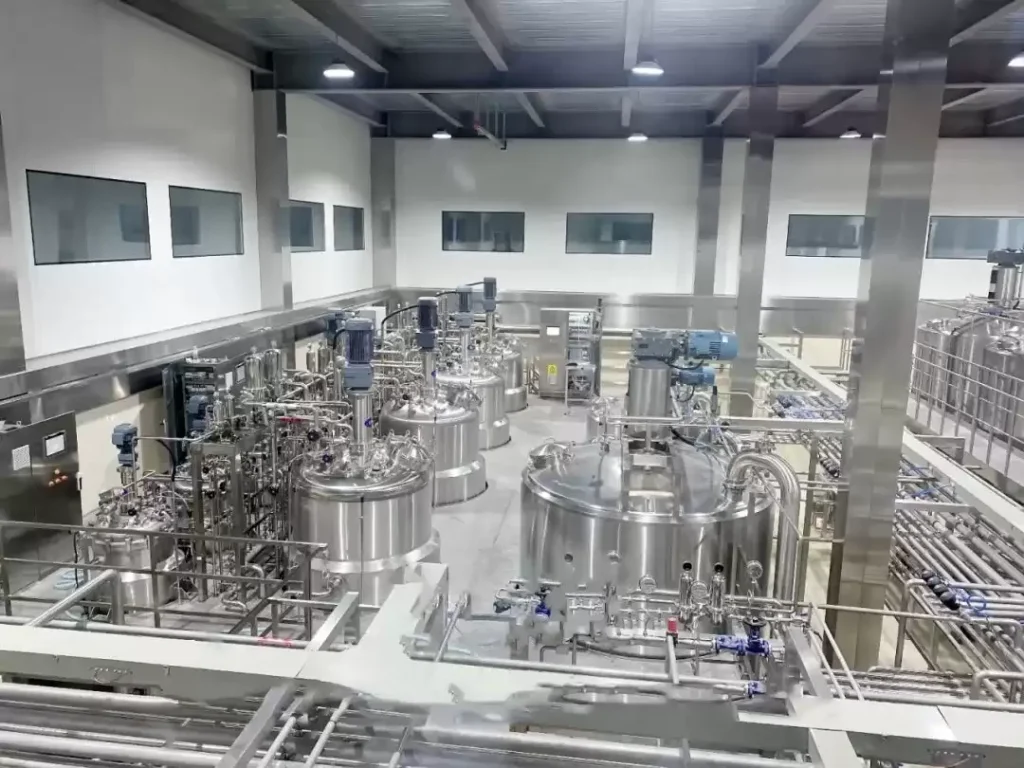
At present, the application of fermentation technology in cosmetics is mainly divided into: fungal fermentation, bacterial fermentation and protist fermentation. Among them, fungal fermentation also includes: yeast fermentation, medicinal fungus fermentation and marine fungus fermentation.
Yeast fermentation
Yeast fermentation is widely used in the field of cosmetics research and development. It contains free amino acids, small molecule peptides, vitamins and other rich active ingredients. It has the functions of whitening, moisturizing, delaying skin aging, regulating skin pH and repairing damaged skin.
Medicinal Fungi Fermentation
Medicinal fungal fermentation products are mainly derived from fungal raw materials that have the same origin as medicine and food, such as Ganoderma lucidum, Tricholoma matsutake, and Tremella fuciformis. For example, the liquid fermentation product of Matsutake mushroom has a whitening effect, and the fermentation product of Poria cocos is beneficial to skin care. At present, many fungal raw materials added to cosmetics on the market are actually based on their fermentation products.
Marine fungal fermentation
Marine microorganisms survive in special environments and produce bioactive molecules that often have novel structures and diverse functions. Marine fungi are recognized as one of the most potential marine organisms and are an important biological source for current cosmetics research and development.
Bacterial fermentation
Bacterial fermentation products are often used in cosmetics as natural preservatives and can also produce new functional substances. Research shows that milky facial masks can be developed based on lactic acid bacteria fermentation to achieve whitening, moisturizing, skin repair, soothing and other effects. Marine bacteria can produce active substances such as amino acids, antibiotics, and vitamins.
Protist fermentation
Protists are single-celled eukaryotes. Microalgae, as a type of protist, is an important biological source for current cosmetics research and development. For example, spirulina among microalgae not only has good antioxidant properties, but also inhibits melanin synthesis through a dual mechanism.