
Photobioreactor refers to a type of device that can be used to culture photosynthetic microorganisms and their tissues or cells with photosynthetic capabilities. This kind of reactor has a similar structure to a general bioreactor. Under general conditions, it requires a certain amount of light, temperature, and nutrients to cultivate microorganisms and regulate and control the system environment.
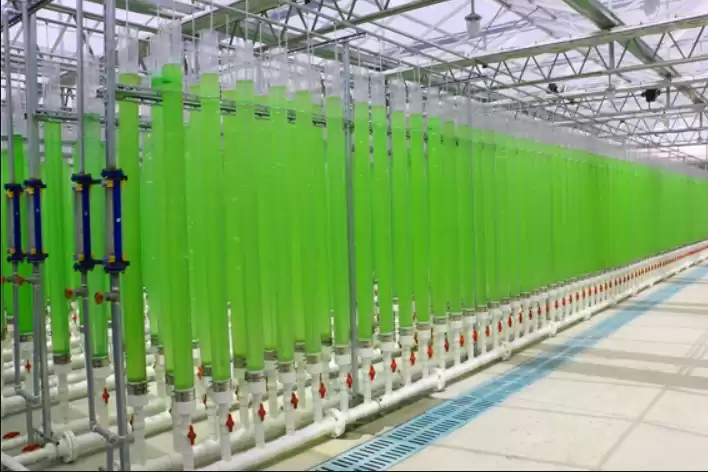
Microalgae photobioreactors can be divided into two categories: open and closed. Open photobioreactors are mainly open runway pools, which are simple to construct, low cost and easy to operate. However, the open culture process is greatly affected by natural environments such as light and temperature, and is easily contaminated by fungi, protozoa and other algae species. It also suffers from severe water evaporation and insufficient carbon dioxide supply. These factors will lead to low algae cell culture density and poor harvesting. The collection cost is higher. Microalgae that require mild culture conditions and have weak population competitiveness are not suitable for cultivation in open photobioreactors.
Compared with open culture systems, closed photobioreactors have the following advantages: 1. They can cultivate more types of microalgae; 2. They have high yields and have a longer production period throughout the year; 3. They can maintain higher levels of algae. liquid density, reducing harvesting costs; 4. It is conducive to observing the phenomenon of internal reaction changes, and can effectively control culture conditions such as temperature and pH; 5. It can effectively reduce pollution. The picture shows the plant cell bioreactor (light) designed and manufactured by Balun Bio Innovation:
In summary, the best method is to combine the advantages of both, that is, first use a closed microalgae photobioreactor for pilot scale-up, propagate algae species in large quantities, and then put it into an open microalgae photobioreactor for large-scale commercial production.